







What's Happening?
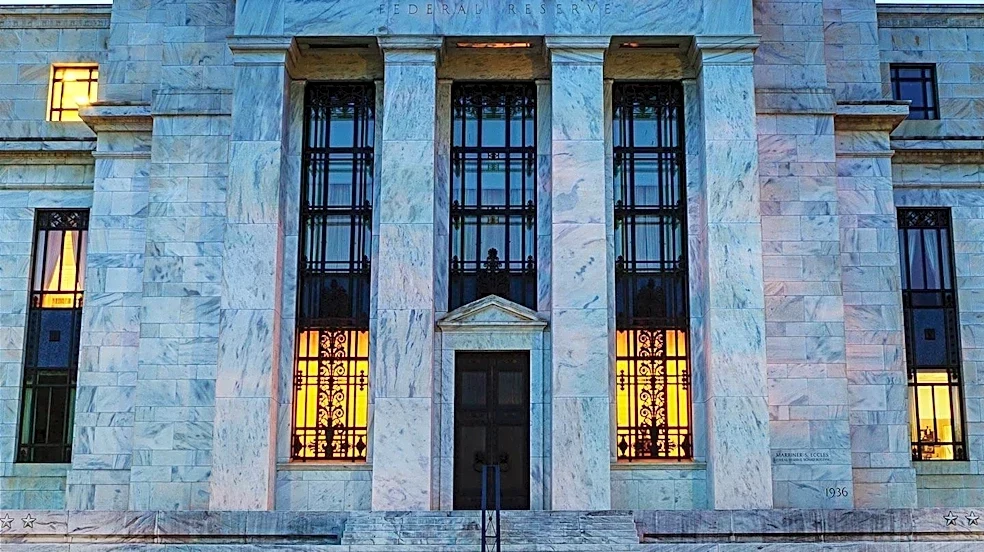
A new working paper by Chris Hughes, published by Brookings, proposes an 'Elastic Reserves' system as an alternative to the Federal Reserve's current 'Ample Reserves' operating framework. The 'Ample Reserves' system emerged after the Great Financial Crisis,
where large-scale asset purchases flooded the banking system with reserves, making pre-crisis interest rate control tools ineffective. The Fed then began paying interest on reserve balances as its primary tool for monetary policy. While this system allows the Fed to provide liquidity during crises without automatically lowering interest rates and has kept the benchmark rate within target, it comes with costs. These costs include a subsidy to bank shareholders due to higher interest paid on reserves compared to what banks pay depositors, the need for a large portfolio of Treasuries and mortgage-backed securities, and exposure to political criticism due to the Fed's significant economic footprint. The proposed 'Elastic Reserves' system would allow the Fed to steer interest rates with a much smaller balance sheet by supplying reserves to banks as needed, based on published lending terms and pre-pledged collateral.
Why It's Important?
The proposal for an 'Elastic Reserves' system is significant because it addresses fundamental criticisms and inefficiencies of the Federal Reserve's current operating framework. The existing 'Ample Reserves' system, while effective in certain aspects, has been criticized for creating a subsidy for banks and for the Fed's large presence in financial markets, which can distort asset prices and attract political scrutiny. By reducing the Fed's balance sheet and limiting its influence in financial markets, the 'Elastic Reserves' system aims to strengthen the Fed's independence and reduce the financial burden on taxpayers. This shift could lead to a more efficient allocation of capital by allowing private investors to set prices without the Fed's large-scale interventions. For banks, it would mean a change in how they access liquidity, potentially fostering greater reliance on private lenders while ensuring the Fed remains a backstop for additional reserve needs, particularly for community and regional banks through facilities like a redesigned Standing Repo Facility and a new Term Liquidity Facility.
What's Next?
The Brookings paper suggests that the Federal Reserve's balance-sheet policy task force has an opportunity to develop and implement a system similar to 'Elastic Reserves.' This would involve a transition from the current balance sheet of approximately $6.7 trillion to around $4.5 trillion, with the eventual size determined by banks' actual needs. The implementation would require simultaneous development of dependable access to reserves for banks and a reduction in their demand for reserves. This includes reforms to liquidity regulation, recognizing reliable access to funds, and changes to payment systems to offset transactions before settlement, thereby reducing the reserves banks need. The proposal also outlines three lending programs: a redesigned Standing Repo Facility for overnight loans, a new Term Liquidity Facility for four-month loans secured by a broader range of assets, and the continued availability of the discount window for emergencies. These changes would necessitate careful coordination and a phased approach to ensure financial stability during the transition.
Beyond the Headlines
The debate over the Federal Reserve's operating framework, as highlighted by the 'Elastic Reserves' proposal, delves into the core philosophy of central banking and its role in a modern economy. Beyond the technical aspects of reserve management, this discussion touches upon the appropriate level of government intervention in financial markets and the balance between stability and efficiency. A move towards 'Elastic Reserves' could signify a broader shift towards a more market-oriented approach to liquidity provision, potentially reducing moral hazard and encouraging banks to manage their liquidity more proactively. However, it also raises questions about the Fed's ability to respond effectively to unforeseen crises if its balance sheet is significantly smaller. The long-term implications could include a redefinition of the Fed's 'lender of last resort' function and a recalibration of the relationship between the central bank, commercial banks, and the broader financial system, impacting everything from interest rate volatility to the cost of credit for businesses and consumers.