







What's Happening?
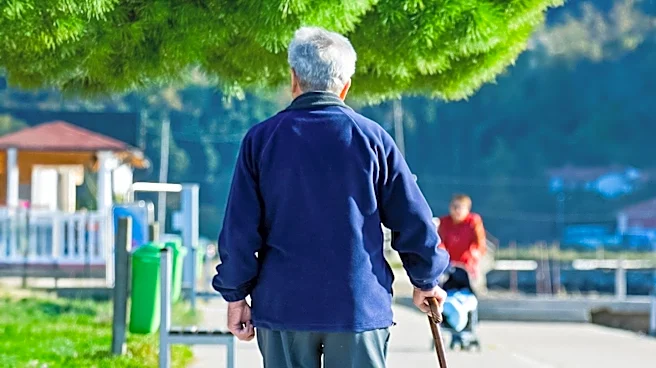
Regular walking routines provide substantial health advantages for individuals over the age of 50, particularly concerning cardiovascular health and cognitive function. Consistent physical activity, including walking, is linked to maintaining cognitive abilities
such as executive function and memory. For the cardiovascular system, walking actively supports the regulation of blood pressure, weight, and other risk factors associated with heart disease. The World Health Organization (WHO) recommends that adults engage in 150-300 minutes of moderate-intensity physical activity per week. This recommendation can be effectively met through consistent walking. Furthermore, combining cardio exercises like walking with strength training has been shown to reduce the risk of death by nearly 50% when compared to a sedentary lifestyle. The benefits are primarily built upon a consistent exercise routine over the long term, emphasizing total exercise time and appropriate intensity rather than just step count.
Why It's Important?
The emphasis on walking for individuals over 50 highlights a crucial public health message, particularly in the U.S. where sedentary lifestyles are prevalent. With an aging population, the prevalence of cardiovascular diseases and cognitive decline is a significant concern, impacting healthcare costs, quality of life, and economic productivity. Promoting accessible and low-impact activities like walking can lead to a healthier, more active senior demographic, potentially reducing the burden on the healthcare system. The recommendation for 150-300 minutes of moderate-intensity activity per week provides a clear, actionable goal for millions of Americans. This approach can empower individuals to take proactive steps in managing their health, fostering independence, and contributing to a more vibrant society. The integration of strength training further underscores the holistic benefits of physical activity, addressing muscle mass and balance, which are critical for preventing falls and maintaining mobility in older adults.
What's Next?
Individuals over 50 are encouraged to adopt consistent walking routines, starting at a comfortable level and gradually increasing duration and intensity as their bodies adapt. A simple way to gauge moderate intensity is the ability to speak in complete sentences while walking. If breathing becomes too difficult for conversation, the pace should be slowed. Beyond walking, incorporating strength training and balance exercises at least two days a week is advised to maintain overall fitness, muscle mass, and reduce the risk of falls. Bodyweight exercises like sit-ups, heel raises, and suitable yoga poses can be easily performed at home. The focus should remain on long-term consistency rather than isolated, intense sessions. Healthcare providers may increasingly recommend personalized exercise plans that combine aerobic activity with strength training to address the specific needs of older adults.
Beyond the Headlines
The focus on walking and moderate-intensity exercise for older adults extends beyond mere physical health, touching upon broader societal and economic implications. A healthier aging population can lead to reduced healthcare expenditures, increased participation in community activities, and potentially longer periods of economic contribution. The emphasis on accessible activities like walking also addresses health equity, as it requires minimal equipment and can be done in most environments, making it feasible for a wider range of socioeconomic groups. Furthermore, the social aspect of walking with family and friends, though not a direct 'brain workout,' can improve mood and quality of life, indirectly supporting an active lifestyle. This holistic view of well-being underscores the interconnectedness of physical activity, mental health, and social engagement in fostering a thriving older population.