





What's Happening?
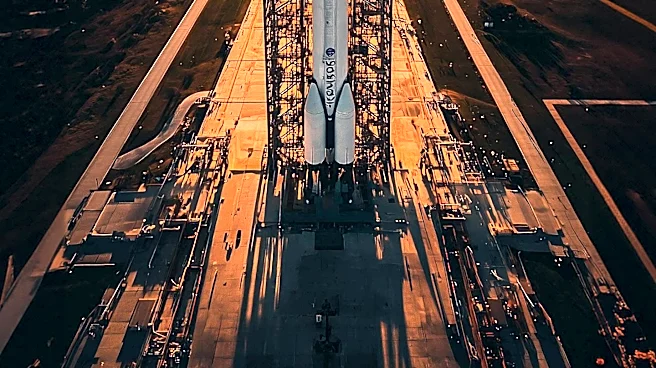
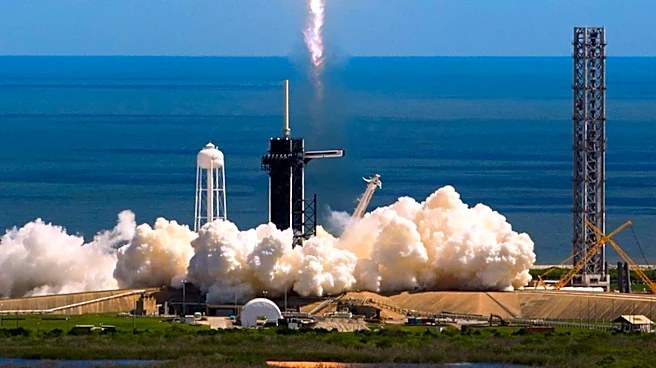
SpaceX is set to launch 24 Starlink satellites from Vandenberg Space Force Base in California, continuing its rapid deployment of broadband constellations in 2026. The mission, known as Starlink 17-52, is scheduled for liftoff at 8:08 p.m. PDT, with a four-hour
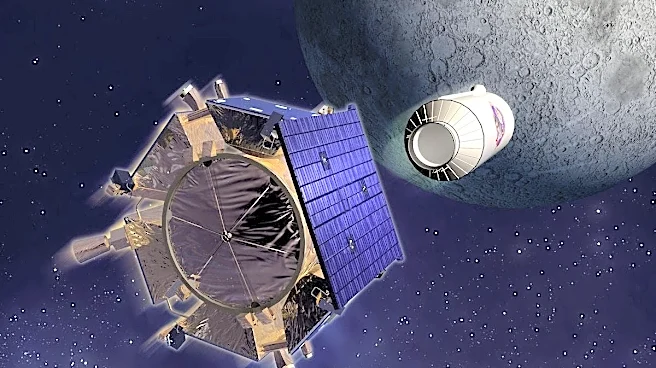
launch window. This launch will add another batch of Starlink V2 Mini Optimized satellites to low Earth orbit, each with four times the communications capacity of earlier generations. This marks SpaceX’s 90th orbital mission of 2026 and the 69th Starlink batch deployed this year. The Falcon 9 first stage B1081 will attempt a powered landing on the droneship 'Of Course I Still Love You' in the Pacific Ocean. The Starlink constellation has grown to over 10,800 active satellites, providing global broadband coverage. SpaceX is also advancing its next-generation Starlink architecture with the deployment of Starlink V3 satellites, which offer superior bandwidth.
Why It's Important?
The continued expansion of the Starlink network is significant for global internet access, particularly in remote and underserved areas. By increasing the number of satellites, SpaceX enhances its ability to provide high-speed internet globally, which can have profound impacts on education, business, and communication. The deployment of more advanced satellites like the V3 models indicates a commitment to improving service quality and capacity. This expansion also positions SpaceX as a major player in the global telecommunications market, potentially challenging traditional internet service providers. The success of these missions could lead to increased adoption of satellite internet services, influencing market dynamics and consumer choices.
What's Next?
SpaceX plans to continue its aggressive launch schedule, with more Starlink missions expected from both Vandenberg and Cape Canaveral. The company is also preparing for the full operational capability of its Starship vehicle, which will enable the launch of larger numbers of the more advanced V3 satellites. This will further enhance the network's capacity and coverage. Additionally, partnerships with airlines, such as the planned offering of Starlink WiFi by Frontier Airlines, suggest a growing commercial interest in satellite internet services. These developments could lead to broader adoption and integration of satellite internet in various sectors.