





What's Happening?
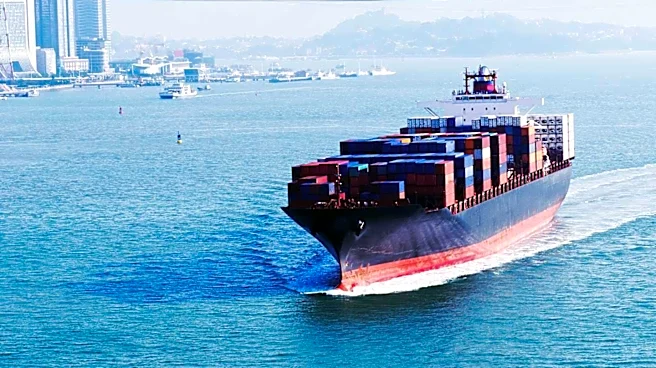
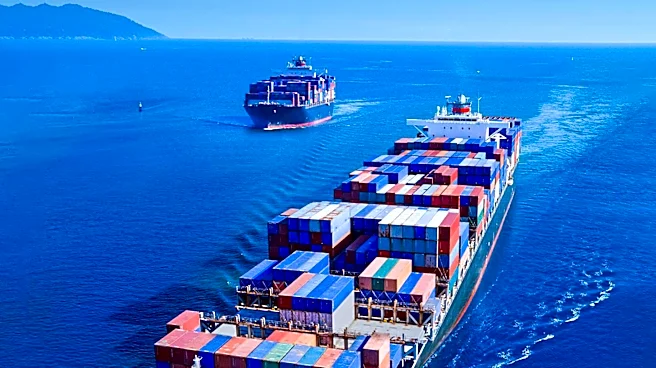
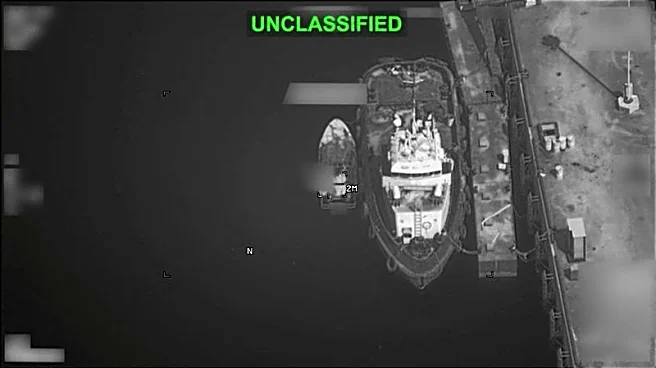
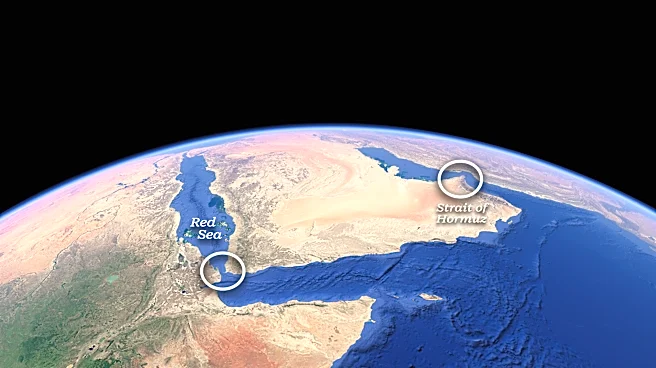
Recent attacks in the Red Sea have led to increased diesel costs for open-pit miners, highlighting the interconnectedness of global commodity markets. Houthi forces have claimed strikes on Saudi oil tankers, escalating tensions and contributing to a volatile
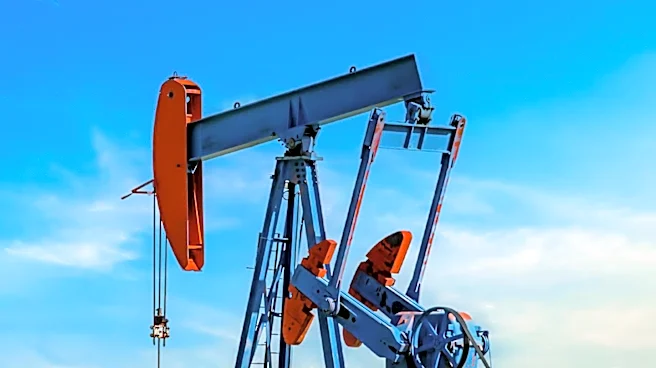
security environment. The disruption has caused a spike in oil prices, with Brent Crude surpassing $100 per barrel. This increase in oil prices directly impacts the cost of diesel, a critical input for open-pit mining operations. The situation underscores the vulnerability of mining operations to geopolitical disruptions and the resulting economic implications.
Why It's Important?
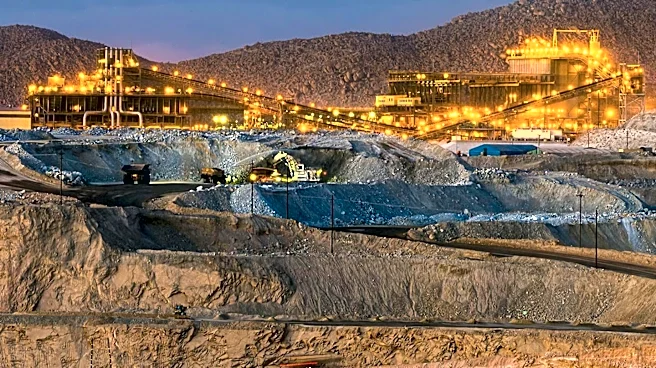
The rise in diesel costs poses a significant challenge for the mining industry, particularly for open-pit operations that are heavily reliant on diesel fuel. Increased fuel costs can erode profit margins and affect the overall financial performance of mining companies. The situation also highlights the broader economic impact of geopolitical tensions on global supply chains and commodity markets. As fuel costs rise, mining companies may need to adjust their financial forecasts and operational strategies to mitigate the impact.
What's Next?
Mining companies may explore strategies to hedge against fuel price volatility and reduce their dependency on diesel. The industry may also seek to enhance operational efficiency and explore alternative energy sources to mitigate the impact of rising fuel costs. The ongoing geopolitical tensions in the Red Sea region will continue to be a critical factor influencing global oil prices and the economic outlook for the mining sector.