





What's Happening?
The series finale of HBO and BBC's adaptation of Philip Pullman’s 'His Dark Materials' trilogy, titled 'The Botanic Garden,' has garnered attention for a notable adaptational change: making the character Dr. Mary Malone a lesbian. In the original books,
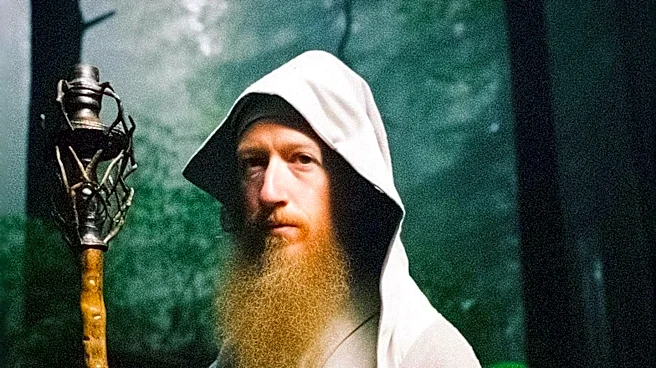
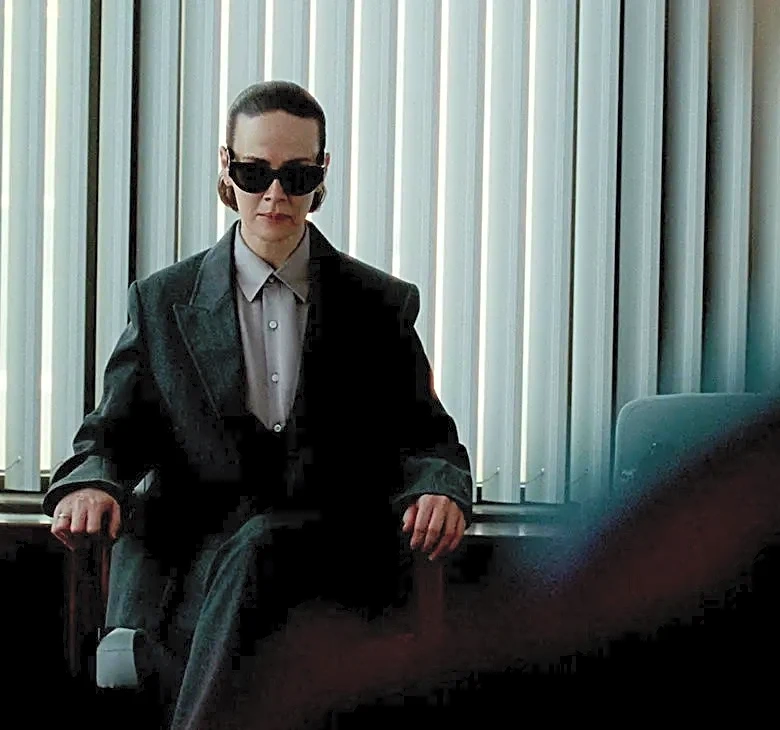
Dr. Malone, a scientist and former nun, experiences romantic feelings for men, which leads her to question her religious vows. However, in the television adaptation, her romantic feelings are directed towards women. This alteration is presented as a deliberate choice to intensify the thematic critique of traditions that hold negative attitudes towards pleasure, particularly queer pleasure. The show's creators also made efforts to diversify the cast through colorblind casting for several major characters, including Will, Lee Scoresby, and Lord Boreal, who were portrayed by actors of color.
Why It's Important?
This change in Dr. Malone's sexuality carries significant thematic weight, particularly in its critique of societal and religious traditions. By portraying her romantic feelings as being for women, the adaptation highlights how such traditions are often more significantly negative towards queer pleasure. The narrative suggests that being interested in a woman provides a more compelling reason for her to abandon her faith entirely, compared to being interested in a man. Furthermore, the show uses Dr. Malone's story to subtly challenge the 'groomer' myth often associated with LGBTQ+ individuals. Her role in guiding Lyra and Will into 'temptation' ultimately helps them acknowledge their heterosexual love, illustrating that exposure to queer stories can positively influence young people regardless of their own identity. This adaptation reinforces a message of inclusivity and acceptance, particularly relevant in contemporary discussions about LGBTQ+ representation.
What's Next?
While the series has concluded, the thematic choices made in 'His Dark Materials' finale, particularly regarding Dr. Malone's character, are likely to continue to be discussed in the context of LGBTQ+ representation in media. The show's approach to diversifying its cast and altering character sexualities could influence future adaptations of literary works, encouraging more inclusive and contemporary interpretations. The positive reception of these changes by some critics suggests a growing appetite for such narratives. The series' strong message that 'Desire is not sin. Love takes a million forms—each of them beautiful, each of them worthy' is a powerful statement that may resonate with audiences and contribute to ongoing conversations about acceptance and diversity in storytelling.
Beyond the Headlines
The decision to alter Dr. Malone's sexuality in 'His Dark Materials' goes beyond simple character modification; it delves into deeper ethical and cultural dimensions. It serves as a pointed rebuttal to homophobic narratives, demonstrating that the presence of queer characters and stories does not 'turn' others queer, but rather fosters openness and self-acceptance. This adaptation builds upon the original novels' already radical inclusion of a heroic gay angel couple, Balthamos and Baruch, further solidifying the franchise's progressive stance on love and identity. In an era where discussions around LGBTQ+ rights and representation are prominent, the show's heightened inclusivity amplifies its message, offering a powerful counter-narrative to bigotry and promoting a broader understanding of love in its myriad forms. This reflects a long-term shift in media towards more diverse and representative storytelling.