






What's Happening?
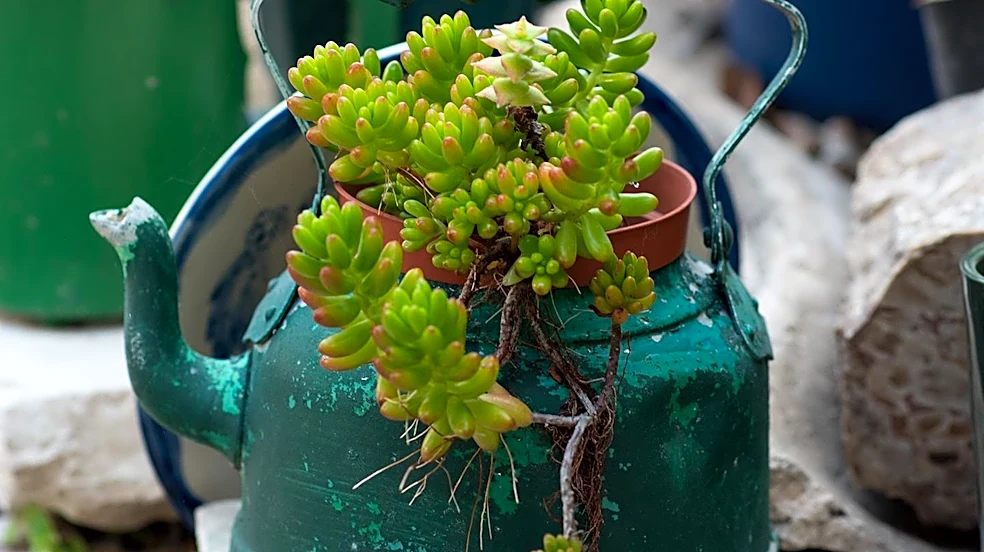
Gardening is defined as the activity of working in a garden, primarily for pleasure, according to Oxford Learner's Dictionaries. Resources like the Mid-Continent Public Library offer extensive databases on gardening and horticulture, providing journals
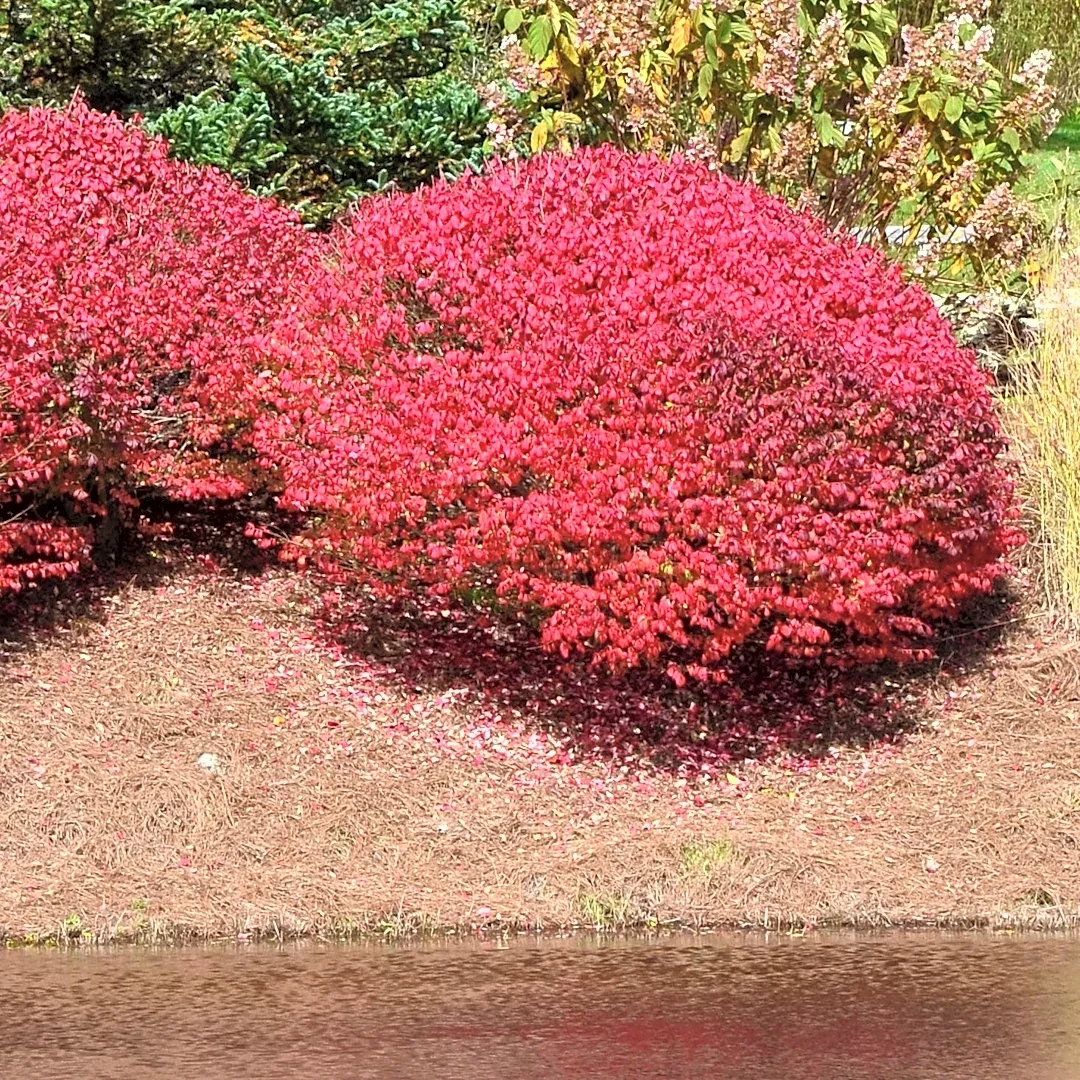
and reference materials for both enthusiasts and professionals. An article from AOL emphasizes that gardening can be a simple and enjoyable pursuit when individuals focus on their personal goals, the space available to them, and the specific local conditions. Furthermore, Gardening Know How provides practical advice, such as how to manage tomato plants post-harvest, including methods for saving side shoots for future seasons. For those preparing for seasonal changes, Signals AZ features guidance from Watters Garden Center on readying gardens for fall, complete with a checklist for landscape maintenance. This collective information highlights gardening as a versatile activity, adaptable to various levels of experience and environmental factors, promoting both enjoyment and practical skill development.
Why It's Important?
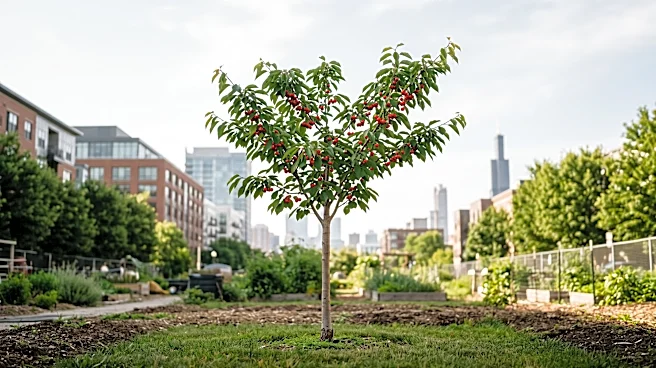
The accessibility and enjoyment of gardening hold significant importance for individual well-being and community engagement across the U.S. As a recreational activity, gardening offers a tangible connection to nature, which can reduce stress and improve mental health. The availability of comprehensive resources, from library databases to online tips, democratizes access to horticultural knowledge, enabling more people to participate regardless of their prior experience. This widespread engagement can lead to increased local food production, fostering self-sufficiency and potentially reducing reliance on commercial food systems. Moreover, community gardens and individual efforts contribute to local biodiversity and green spaces, enhancing urban and suburban environments. The emphasis on adapting gardening practices to personal goals and local conditions promotes sustainable practices, encouraging individuals to consider their ecological footprint and cultivate plants that thrive in their specific regions, thereby supporting environmental resilience.
What's Next?
The continued growth of interest in gardening suggests a future where more individuals and communities will seek out resources and practical advice to cultivate their own green spaces. Educational institutions and public libraries are likely to expand their offerings in horticulture, providing workshops and accessible databases to meet this demand. Online platforms and gardening blogs will continue to be crucial for sharing tips, seasonal guides, and innovative techniques, such as preparing gardens for fall or managing specific plants like tomatoes after harvest. We can anticipate a greater emphasis on sustainable gardening practices, including water conservation, organic pest control, and native plant cultivation, as environmental awareness increases. This trend will likely lead to more localized and community-driven gardening initiatives, fostering stronger neighborhood bonds and promoting healthier, more sustainable lifestyles across the nation.
Beyond the Headlines
Beyond the immediate benefits of fresh produce and aesthetic appeal, gardening fosters a deeper connection to ecological cycles and promotes a sense of stewardship for the environment. The act of nurturing plants from seed to harvest can instill patience and resilience, valuable traits in an increasingly fast-paced world. Ethically, gardening encourages a mindful approach to consumption, prompting individuals to consider the origins of their food and the environmental impact of their choices. Culturally, gardening traditions often reflect regional histories and diverse agricultural practices, preserving heritage and promoting biodiversity. The long-term shift towards more localized food systems, driven by individual gardening efforts, could lead to greater food security and community resilience, reducing dependence on global supply chains and fostering a more sustainable relationship between humans and the natural world. This engagement can also bridge generational gaps, as experienced gardeners share their knowledge with newcomers, ensuring the continuity of these vital skills.