





What's Happening?
Electric vehicle (EV) sales in the United States are showing signs of recovery following a significant decline after the expiration of a $7,500 federal incentive in September 2025. According to Kelley Blue Book, 247,226 EVs were sold in the U.S. during
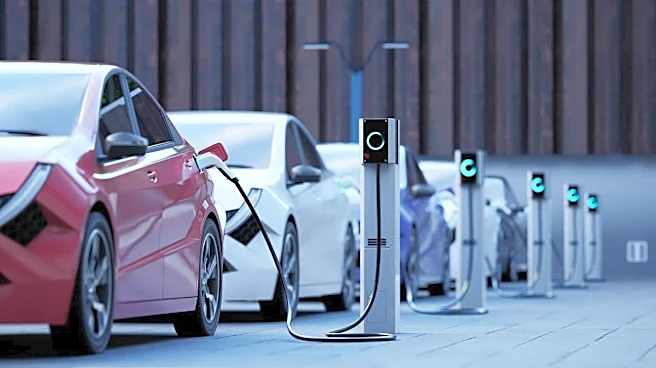
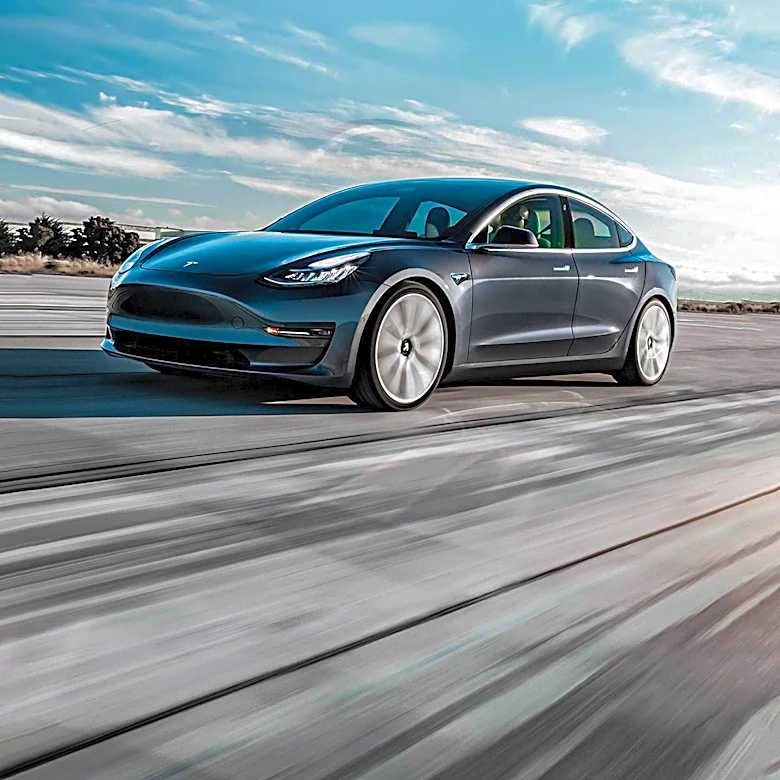
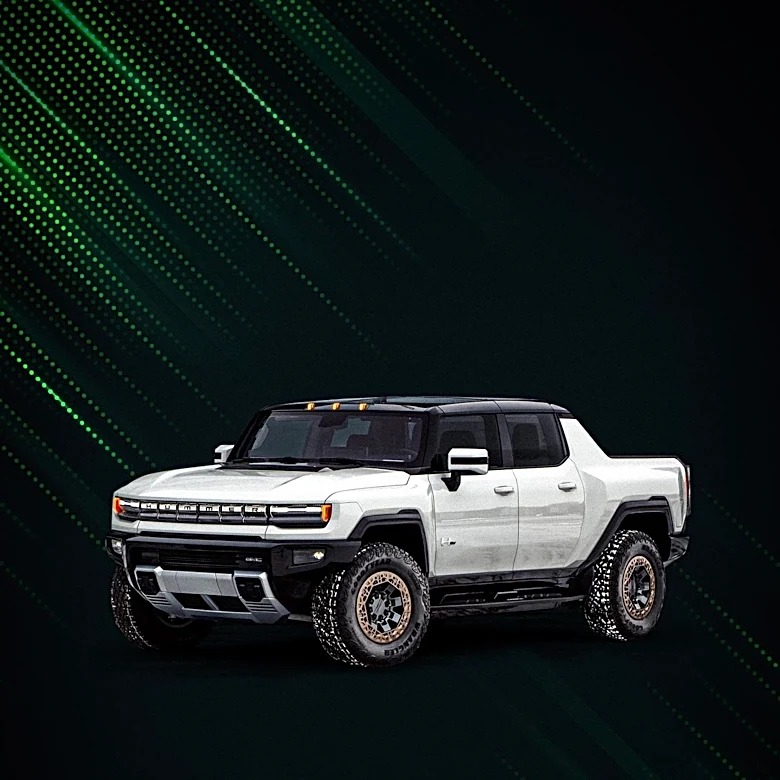
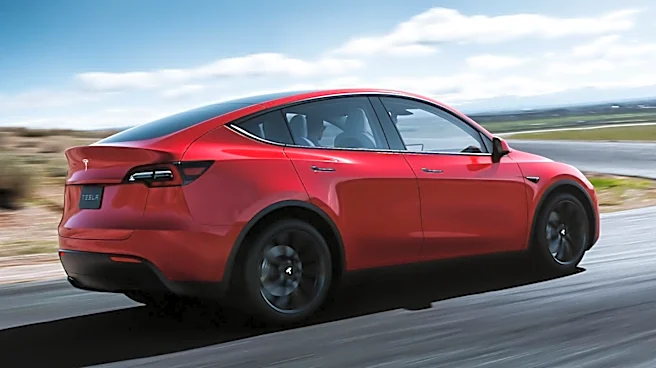
the second quarter of 2026, marking a 14.7% increase from the first quarter. Despite this rebound, sales remain 20.5% below their peak in the third quarter of 2025. BloombergNEF has revised its projection for U.S. EV sales, now estimating that they will reach 17% by 2030, down from an earlier forecast of nearly 50%. Tesla continues to dominate the market with nearly 50% of sales, while other manufacturers like Chevrolet, Hyundai, and Cadillac trail behind. Interestingly, Toyota and Subaru have seen their EV sales double this year. The expansion of EV charging infrastructure, with over a quarter million charge points now available, is also contributing to the market's stabilization.
Why It's Important?
The resurgence in EV sales is significant for the U.S. automotive industry, indicating resilience despite the removal of federal incentives. This recovery suggests that consumer interest in EVs remains strong, driven by new product launches and state-level incentives. The market's stabilization is crucial for manufacturers who are investing heavily in EV technology and infrastructure. However, the revised sales projections by BloombergNEF highlight ongoing challenges, including policy headwinds and competition from traditional vehicles. The expansion of charging infrastructure is a positive development, addressing one of the major barriers to EV adoption. The market dynamics also reflect broader economic trends, such as the impact of rising gasoline prices on hybrid vehicle sales.
What's Next?
The future of the U.S. EV market will likely depend on several factors, including technological advancements, consumer preferences, and policy decisions. Automakers will need to focus on making EVs more affordable and appealing to a broader audience. The ongoing expansion of charging infrastructure will be critical to supporting increased EV adoption. Additionally, legislative developments, such as the proposed Connected Vehicle Security Act of 2026, could impact the market by restricting imports of Chinese-made vehicles and components. This legislation, if passed, may protect domestic manufacturers but could also limit consumer choices and affect international trade relations.
Beyond the Headlines
The proposed legislation targeting Chinese-made vehicles raises questions about national security and consumer privacy. While it aims to protect against foreign surveillance, it may also serve to shield U.S. automakers from competition. The focus on connectivity systems highlights the growing importance of data security in the automotive industry. This development underscores the need for a balanced approach that considers both national security and consumer rights. The broader implications of such policies could influence global supply chains and trade dynamics, potentially leading to increased tensions between the U.S. and its trading partners.