

What's Happening?
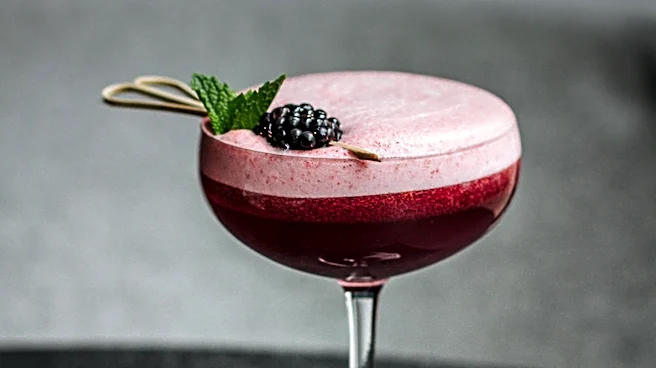
The Vieux Carré, a cocktail originating from New Orleans, has seen a significant resurgence in popularity in the 21st century after being relatively forgotten. Created by bartender Walter Bergeron in the late 1930s, the drink was conceived as an homage
to the diverse cultural influences present in New Orleans at the time. Its recipe, first documented in Stanley Clisby Arthur's 1937 book 'Famous New Orleans Drinks and How to Mix 'Em,' combines French cognac and Benedictine, Italian vermouth, American rye whiskey, Caribbean Angostura Bitters, and Peychaud's bitters. The cocktail was originally served at the Swan Room in the Hotel Monteleone, now known as the Carousel Bar. Despite its rich history and complex flavor profile, the Vieux Carré never achieved the widespread recognition of its cousin, the Sazerac, which was named New Orleans' signature cocktail in 2008. However, a growing interest in vintage cocktails and endorsements from cocktail influencers have propelled the Vieux Carré back into the spotlight.
Why It's Important?
The comeback of the Vieux Carré cocktail signifies a broader trend in the U.S. beverage industry: the revival of classic and historically significant drinks. This trend reflects a consumer desire for authenticity, craftsmanship, and unique experiences, moving beyond mass-produced options. For New Orleans, the resurgence of the Vieux Carré reinforces its status as a pivotal city in cocktail history and culture, potentially boosting tourism and local bar economies. The cocktail's blend of international ingredients—French, Italian, American, and Caribbean—also highlights the city's historical role as a melting pot of cultures, offering a taste of its diverse heritage. This renewed interest can lead to increased demand for specific spirits like Benedictine and Peychaud's bitters, impacting suppliers and distributors. Furthermore, the influence of social media and cocktail influencers in popularizing such drinks demonstrates a modern pathway for cultural trends to emerge and spread, affecting consumer choices and industry focus.
What's Next?
The continued rise in popularity of the Vieux Carré suggests that more bars, both in New Orleans and across the U.S., will likely feature it prominently on their menus. Bartenders may also begin to experiment with variations of the classic recipe, leading to innovative interpretations that could further expand its appeal. Cocktail enthusiasts and home mixologists are expected to continue exploring and sharing their experiences with the Vieux Carré, driven by its complex flavor and historical narrative. This trend could also encourage the rediscovery of other forgotten classic cocktails, fostering a deeper appreciation for mixology history. For the Hotel Monteleone's Carousel Bar, the birthplace of the drink, this resurgence will likely translate into increased patronage, solidifying its reputation as a must-visit destination for cocktail aficionados. The broader impact could be a sustained interest in spirit-forward, sophisticated cocktails, influencing future beverage trends and consumer preferences.
Beyond the Headlines
The revival of the Vieux Carré cocktail offers a fascinating glimpse into the cyclical nature of cultural appreciation and the enduring power of storytelling in consumer products. Beyond its ingredients, the cocktail embodies the spirit of New Orleans' French Quarter—a place of historical depth, cultural fusion, and a certain mystique. Its name, meaning 'the Old Square,' directly links it to the city's iconic district, making it more than just a drink but a liquid piece of history. The fact that it was created as an 'homage' to the city's cultural blend speaks to a conscious effort to capture and celebrate identity through mixology. This deeper connection to place and heritage elevates the Vieux Carré beyond a mere alcoholic beverage, transforming it into a cultural artifact. Its journey from obscurity to renewed fame also highlights how modern platforms, like social media and influencer culture, can act as powerful conduits for reintroducing and recontextualizing historical elements for contemporary audiences, bridging the past with present-day tastes and trends.