






What's Happening?
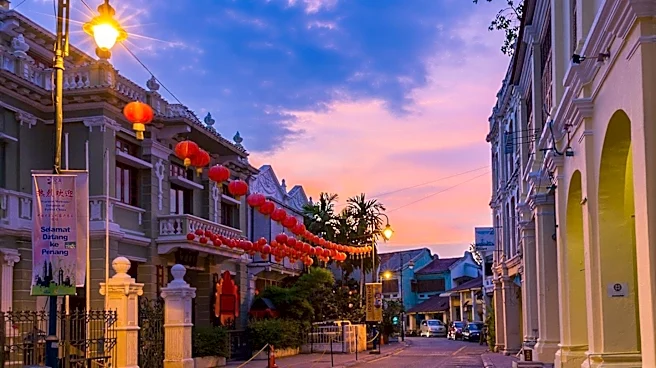
A new study by marketing agency Click Intelligence has identified Penang, Malaysia, as the best-value city for digital nomads in 2026. The ranking, which assessed 26 cities across 15 countries, found that Penang offers an estimated monthly living cost
of $954 per person, including rent. This affordability, combined with factors such as internet access, everyday expenses, safety, and visa requirements, positioned Penang at the top. Asian destinations dominated the top five spots, with Busan, South Korea, ranking second, Kuala Lumpur, Malaysia, third, Fukuoka, Japan, fourth, and Seoul, South Korea, fifth. The study highlights a growing trend among remote workers to seek out destinations that offer a lower cost of living without compromising essential amenities.
Why It's Important?
This ranking is significant for the burgeoning community of U.S. digital nomads and remote workers seeking international relocation options. The emphasis on affordability, internet access, and visa requirements directly addresses key concerns for individuals considering a location-independent lifestyle. For U.S. citizens, understanding these cost-effective destinations can influence decisions regarding where to live and work, potentially leading to a higher quality of life or increased savings. The availability of specific digital nomad visas in countries like Malaysia, South Korea, and Japan further streamlines the process for U.S. professionals, reducing bureaucratic hurdles. This trend could also impact U.S. industries by encouraging a more globally distributed workforce, potentially fostering international collaboration and diverse skill sets within companies that embrace remote work.
What's Next?
The findings from Click Intelligence are likely to influence future travel and relocation patterns for U.S. digital nomads. As more remote workers become aware of these affordable and accommodating destinations, there could be an increased demand for resources and services catering to this demographic in these cities. Governments in these top-ranked countries may further refine their digital nomad visa programs to attract more remote workers, recognizing the economic benefits they bring. Additionally, the competition among cities to attract digital nomads could lead to further improvements in infrastructure, co-working spaces, and community initiatives. U.S. companies with remote work policies might also consider these locations when advising employees on international work opportunities.
Beyond the Headlines
The rise of digital nomadism, as highlighted by this study, represents a broader shift in work culture and global mobility. Beyond economic considerations, the movement encourages cultural exchange and a more interconnected global community. For U.S. citizens, living as digital nomads in diverse environments can foster greater cross-cultural understanding and personal growth. However, it also raises questions about the long-term impact on local economies and cultures, including potential gentrification and the integration of foreign residents. The ethical implications of remote workers benefiting from lower costs of living while potentially impacting local housing markets and social structures will continue to be a subject of discussion as this lifestyle gains more traction.