





What's Happening?
In 2026, independent creators are increasingly utilizing accessible 2D puppet software and render engines to produce serialized animated shorts for digital platforms. This approach allows them to build viral animated characters without requiring large
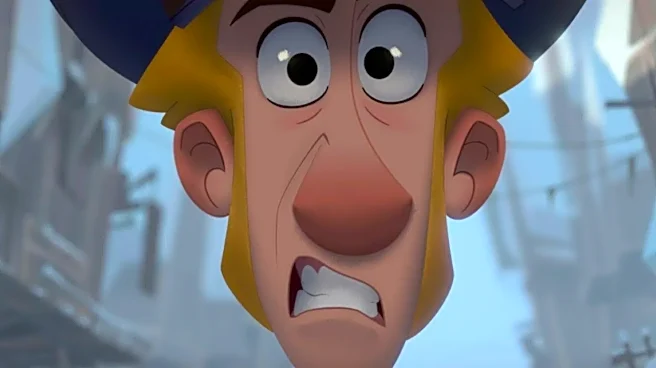
studio budgets. The success of these characters often hinges on strong writing and unique character quirks, which are proving to be more influential for organic audience growth than high-budget production polish. Animators are employing techniques such as exaggerated proportions, using squash-and-stretch principles for dynamic movement, and subverting expectations by contrasting stoic character designs with chaotic behavior. Additionally, expressive micro-movements like eyebrow twitches and delayed blinks, along with precise vocal delivery and timing, are crucial for enhancing comedic impact. The evolution of character design and production workflows in 2026 sees real-time rendering engines and advanced rigging tools enabling artists to rapidly experiment with physics and exaggerated facial expressions, bridging the gap between classic 2D cartoon physics and modern 3D depth.
Why It's Important?
This trend signifies a democratization of animation production, lowering the barrier to entry for independent creators and fostering a more diverse landscape of animated content. The emphasis on strong writing and unique character development over sheer production budget means that creativity and storytelling are becoming paramount in achieving audience engagement. This shift can lead to a wider variety of voices and perspectives in animation, potentially challenging the dominance of large studios. For audiences, it means access to fresh, innovative content that might not adhere to traditional studio formulas. Economically, it creates opportunities for smaller animation studios and individual artists to thrive, potentially disrupting established industry models. The technological advancements in real-time rendering and rigging also streamline production, making animation more efficient and allowing for quicker iteration and experimentation, which can lead to more dynamic and responsive content creation.
What's Next?
The continued accessibility of advanced animation software and rendering tools is likely to further empower independent creators, leading to an even greater proliferation of animated content across digital platforms. We can anticipate a continued focus on character-driven narratives and innovative comedic techniques as creators seek to stand out in a crowded market. The interplay between technological advancements and creative storytelling will likely evolve, with new tools enabling even more sophisticated visual gags and character expressions. This could also lead to increased competition for audience attention, pushing creators to constantly innovate in their writing and character design. Furthermore, the success of independent viral characters may influence larger studios to adopt similar agile production methods or to seek out collaborations with successful independent animators.
Beyond the Headlines
The rise of independent viral animated characters reflects a broader cultural shift towards user-generated content and the power of digital platforms to amplify niche voices. This phenomenon challenges traditional gatekeepers in the entertainment industry, demonstrating that compelling content can emerge from anywhere, not just established studios. Ethically, it raises questions about intellectual property rights and fair compensation for creators in a rapidly evolving digital landscape. The emphasis on 'relatable insecurities paired with absurd visual reactions' in modern humor also speaks to contemporary audience preferences for authenticity and self-aware comedy. Long-term, this trend could reshape how animated content is developed, distributed, and consumed, fostering a more decentralized and creator-centric industry model where audience engagement and viral appeal are key metrics of success.