





What's Happening?
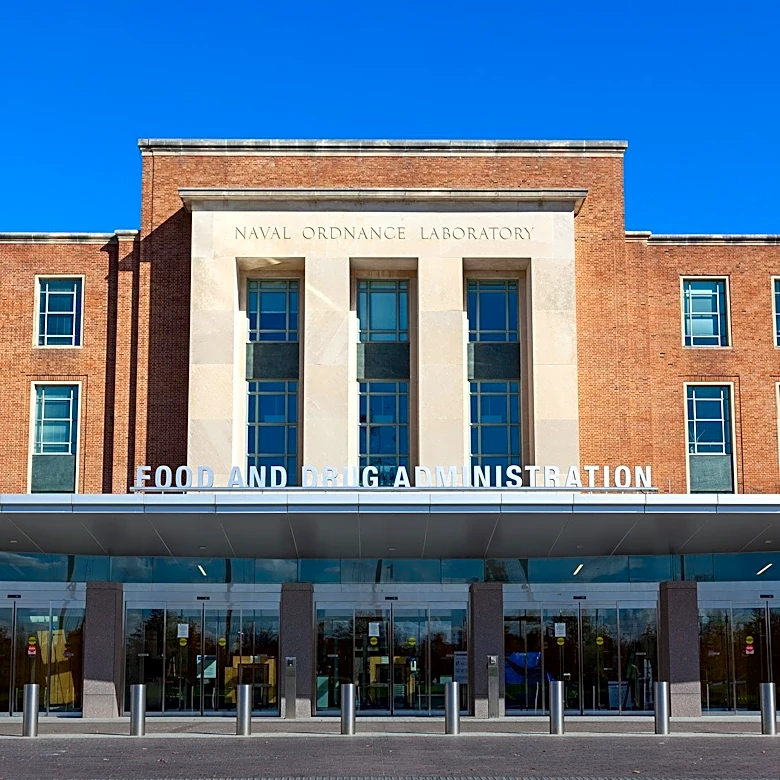
The Federal Housing Finance Agency (FHFA) has announced an increase in the maximum loan amounts for single-family residential loans that Fannie Mae and Freddie Mac are permitted to purchase in 2027. Conforming loan limits have been raised to $855,400
in most housing markets across the U.S., marking an increase of $22,650, or approximately 2.7%, from current thresholds. In areas where the local median home value exceeds the baseline conforming loan limit by at least 115%, designated as 'high-cost areas,' the loan cap for one-unit properties in 2027 will increase to $1,283,100. This adjustment is slightly less than the $26,250 increase seen in 2026, reflecting a slower pace of home price appreciation this year. The FHFA stated that due to rising home values, these conforming loan limits will be higher in all but 24 U.S. counties or county equivalents. The new higher loan limits are scheduled to take effect on January 1, 2027.
Why It's Important?
The FHFA's decision to raise conforming loan limits for 2027 is a critical development for the U.S. housing market and potential homebuyers. By increasing these limits, more borrowers will be able to access conventional mortgages backed by Fannie Mae and Freddie Mac, which typically offer more competitive interest rates and terms compared to non-conforming or 'jumbo' loans. This expansion of eligibility can make homeownership more accessible and affordable for a wider range of individuals, particularly in areas experiencing significant home price growth. The adjustment directly responds to rising home values, ensuring that the loan limits remain relevant to current market conditions. For mortgage lenders, this provides clarity and allows them to adjust their product offerings accordingly, as some major lenders have already begun to do in anticipation of the official announcement. The move helps maintain liquidity in the mortgage market and supports the overall stability of the housing sector by aligning lending capacities with real estate valuations.
What's Next?
The increased conforming loan limits will become effective on January 1, 2027. This means that as of the new year, homebuyers seeking mortgages for single-family properties will be able to borrow larger amounts while still qualifying for conventional loans backed by Fannie Mae and Freddie Mac. Mortgage lenders, many of whom have already started to raise their own lending thresholds in anticipation, will fully implement these new limits. This will likely lead to a broader range of properties being eligible for conforming loans, potentially stimulating buyer activity in various housing markets. The FHFA is mandated by the Housing and Economic Recovery Act of 2008 to update these limits annually, so future adjustments will continue to be a regular feature of the U.S. mortgage landscape, reflecting ongoing changes in home prices and economic conditions. Homebuyers and real estate professionals should monitor these annual announcements for their impact on purchasing power and market dynamics.
Beyond the Headlines
The annual adjustment of conforming loan limits by the FHFA is more than just a technical update; it's a barometer of the U.S. housing market's health and a key mechanism for federal intervention in housing finance. The fact that limits are rising in nearly all U.S. counties underscores the persistent trend of increasing home values, even if the pace of appreciation has slowed slightly. This continuous upward trend raises questions about long-term housing affordability and the potential for market imbalances. While higher limits make homeownership more accessible in the short term, they also implicitly acknowledge and can contribute to rising property costs. The FHFA's role in setting these limits highlights the government's significant influence on the housing market, balancing the need for liquidity and access with the imperative to manage risk for the government-sponsored enterprises. This delicate balance has broad implications for economic stability, wealth accumulation through homeownership, and the overall distribution of housing opportunities across different income brackets and geographic regions.