



What's Happening?
AST SpaceMobile (ASTS) stock is currently down 64% year-to-date, trading at $26.02 as of Wednesday's close, a significant drop from its starting price of $72.63 in 2026. This decline occurred despite a recent surge of 10.25% following a $1.03 million
insider purchase by board director Adriana Cisneros and associated entities in November. The purchase was made at an average price of $23.54, considerably lower than the $57.22 average paid in August. Additionally, B. Riley upgraded AST SpaceMobile to a 'Buy' rating from 'Neutral' on November 19, arguing that the stock's selloff already reflects concerns about launch delays and the costs associated with developing the company's own rocket. The company reported Q3 2026 revenue of $42.32 million, missing expectations but showing a 187.1% year-over-year increase, and maintained its full-year revenue forecast of $150 million to $200 million.
Why It's Important?
The significant year-to-date decline in AST SpaceMobile's stock, despite recent positive indicators like insider buying and an analyst upgrade, highlights the inherent risks and volatility associated with pre-profit, capital-intensive technology companies. For U.S. investors, this situation underscores the challenges of investing in innovative but unproven business models, particularly in the space and telecommunications sectors. The company's ambition to provide direct-to-smartphone satellite broadband could revolutionize connectivity in the U.S., eliminating dead zones for major carriers like AT&T and Verizon. However, the substantial capital expenditures required for satellite manufacturing and launch, coupled with potential launch delays and intense competition from entities like SpaceX's Starlink, pose considerable financial risks. The company's long-term debt of $4.08 billion and a Q3 net loss of $132.38 million further emphasize the financial hurdles it faces in achieving its operational goals and generating consistent revenue.
What's Next?
The immediate focus for AST SpaceMobile and its investors will be on the successful launch of its BlueBird satellites. Three satellites are currently at Cape Canaveral awaiting a confirmed launch date from SpaceX, while another three are scheduled for a Blue Origin flight in early 2027. The company aims to have 45 to 60 BlueBirds in orbit by mid-2027 to achieve continuous coverage in key markets. The initiation of commercial beta testing and the launch of connectivity services with partner networks like AT&T and Verizon before year-end 2026 are critical operational checkpoints. Furthermore, ongoing regulatory approvals from the Federal Communications Commission (FCC) will be essential for full-scale commercial deployment. The company's financial performance, particularly its ability to meet its full-year revenue guidance and manage its capital expenditures, will be closely scrutinized in upcoming earnings reports, with the fourth-quarter and full-year 2026 results expected in early March 2027.
Beyond the Headlines
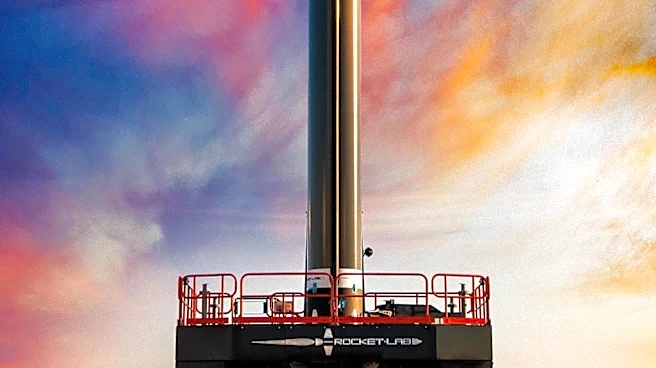
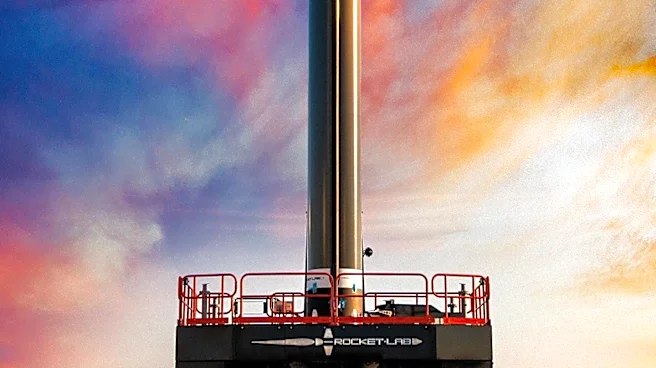
AST SpaceMobile's journey reflects a broader trend in the U.S. aerospace and telecommunications industries: the race to establish ubiquitous global connectivity through satellite constellations. While the promise of eliminating cellular dead zones is significant for public safety, economic development, and digital equity across the U.S., the path is fraught with technical, financial, and competitive challenges. The company's decision to develop its own reusable rocket, Blacklift, while potentially offering long-term cost savings and control over launch schedules, also diverts substantial capital and resources, adding another layer of complexity and risk. This strategy contrasts with peers like Rocket Lab, which focuses on launch services for a wide customer base, and Intuitive Machines, which specializes in lunar missions and satellite production. The ongoing securities class action against AST SpaceMobile also highlights the legal and reputational risks that can accompany high-growth, capital-intensive ventures, underscoring the multifaceted nature of innovation in the U.S. space economy.