


What's Happening?
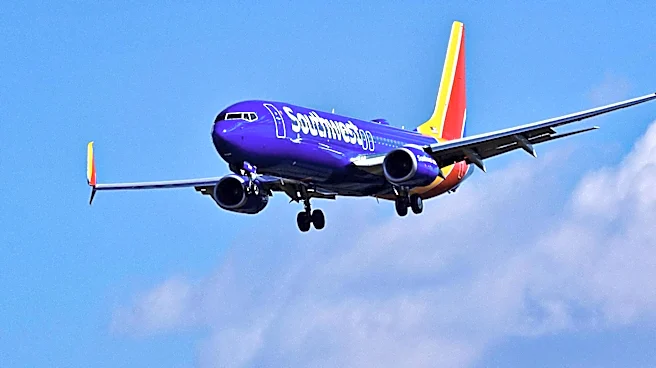
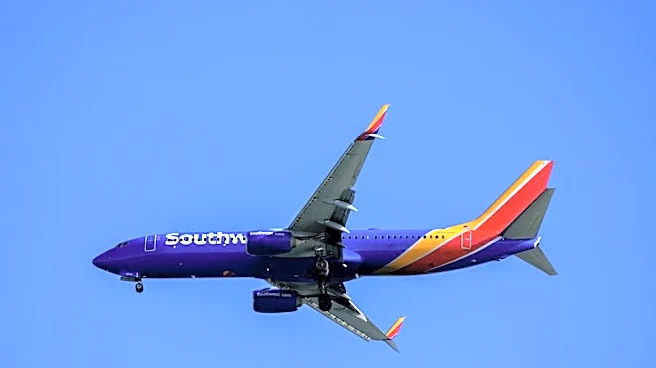
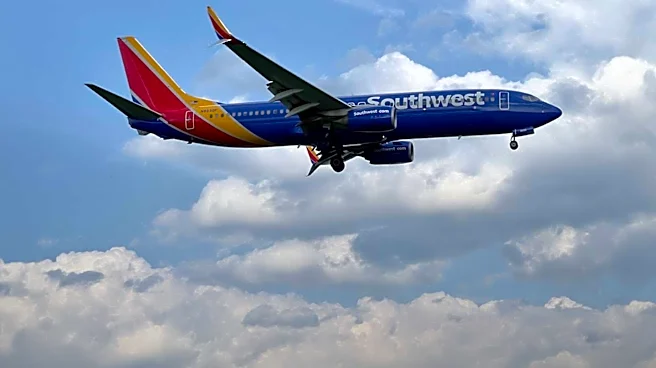
Southwest Airlines announced its plan to open its first airport lounges in late 2027, starting with four U.S. cities: Austin, Baltimore, Honolulu, and Nashville. This move marks a significant shift for the airline, which historically avoided premium air travel
amenities. The lounges are being developed in partnership with Chase, Southwest's co-branded credit card partner. Access to these new lounges will primarily be granted through a new premium Southwest Rapid Rewards credit card, issued by Chase, which is also scheduled to launch in 2027. Construction for these lounges is already underway. The largest lounge is planned for Baltimore/Washington International Thurgood Marshall Airport (BWI) at approximately 33,000 square feet, followed by Nashville International Airport (BNA) at about 30,200 square feet. Austin-Bergstrom International Airport (AUS) will feature a roughly 19,500-square-foot lounge, and Honolulu’s Daniel K. Inouye International Airport (HNL) will have a 12,000-square-foot lounge. Southwest plans to open at least seven more lounge locations in the years following the initial launch.
Why It's Important?
This initiative by Southwest Airlines is a pivotal strategic investment aimed at attracting higher-spending customers and enhancing its Rapid Rewards program. For years, Southwest differentiated itself by offering a more egalitarian travel experience without premium perks. However, as noted by Gary Leff, founder of View from the Wing, the airline found itself in an awkward position, offering a product that was 'the same but less than' competitors who had adopted features like assigned seating, extra-legroom options, and premium credit card benefits. The introduction of lounges, alongside recent changes like assigned seating and charging for checked bags, signifies Southwest's move upmarket to cater to evolving passenger preferences. Travel expert Anna Brown from Going highlights that comfort is increasingly a deciding factor for travelers, with premium economy seeing significant growth. By offering lounges, Southwest aims to close the gap with other major airlines and compete more effectively for business and leisure travelers willing to pay for an enhanced experience, thereby securing a larger share of the premium travel market.
What's Next?
The new premium Southwest Rapid Rewards credit card, which will provide lounge access, is expected to launch in 2027. Details regarding the card's annual fee, guest rules, and other access options (such as elite status, fare classes, or day passes) are yet to be announced by Southwest. The airline has indicated that the lounges will feature sophisticated design, locally inspired food and beverages, and spaces for relaxation, work, and recharging, drawing inspiration from the communities they serve. Following the initial launch in Austin, Baltimore, Honolulu, and Nashville in late 2027, Southwest plans to expand its lounge network with at least seven additional locations in subsequent years. This expansion will likely target high-demand business and leisure markets. The success of these initial lounges and the new credit card will influence Southwest's future premium offerings and its competitive strategy within the U.S. airline industry.
Beyond the Headlines
Southwest's decision to introduce airport lounges reflects a broader industry trend where airlines, including those traditionally focused on budget travel, are increasingly adopting premium amenities to capture higher-margin revenue. This shift indicates a 'K-shaped split' in the travel market, where the premium segment is thriving while the bare-bones model faces pressure, as observed by Anna Brown. For Southwest, this move represents a significant departure from its long-standing business model and brand identity, which emphasized simplicity and affordability. The partnership with Chase for the new credit card underscores the financial importance of co-branded credit cards in driving airline profitability, as lounges are key in attracting premium card spending. This strategic pivot suggests that even airlines known for their unique value propositions are adapting to consumer demand for comfort and enhanced experiences, potentially leading to a more homogenized airline landscape where premium offerings become a standard expectation across all carriers.