


What's Happening?
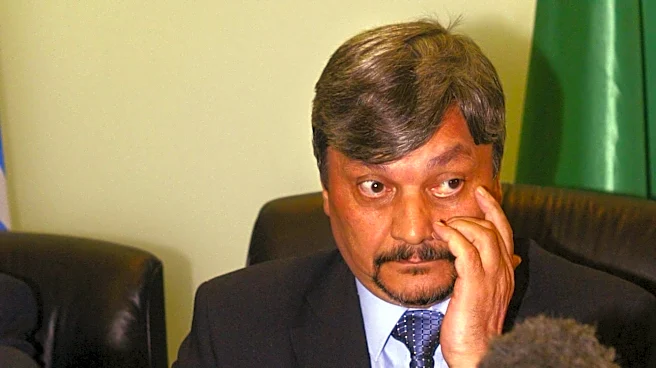
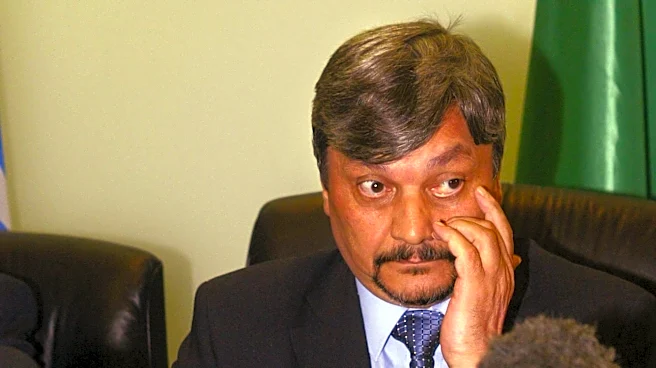
Iraq is currently engaged in negotiations with OPEC to secure a higher oil production ceiling. Oil minister Basim Mohammed Khudair stated that Iraq seeks this increase due to the significant challenges and wars the country has faced over the past five
decades, emphasizing the need for its unique circumstances to be considered by fellow OPEC members. This request comes as OPEC+ members have reportedly agreed in principle to maintain their current production quotas for the first quarter of 2027. An external firm hired by OPEC+ recently provided estimates for each member's crude pumping capacity, with Iraq reportedly objecting to a proposed upper limit below 5 million barrels a day. A higher ceiling would allow Baghdad greater flexibility to increase output in the future, supporting its plans to repair and expand energy infrastructure, including a pipeline to Turkey and partnerships with international oil companies. The U.S. State Department's discussions with Iraq have focused on energy infrastructure rather than its OPEC membership status.
Why It's Important?
The outcome of Iraq's negotiations with OPEC carries significant implications for global oil supply and market dynamics. If Iraq successfully secures a higher production ceiling, it would gain the capacity to increase its oil output in the future, potentially influencing medium-term crude supply expectations. This could lead to increased oil availability in the global market, which might affect international oil prices and the strategies of oil-dependent economies. Conversely, if Iraq's request is denied and its production is capped below its desired level, it could constrain the country's economic expansion plans and create friction within OPEC, especially given Iraq's stated need to develop its energy infrastructure after decades of conflict. For investors and portfolios tied to oil or Middle East geopolitical risks, this decision will shape the realistic volume of Iraqi production entering the market, impacting investment strategies and commodity trading.
What's Next?
OPEC and its allies are scheduled to meet this weekend to determine oil policy, with the capacity review and Iraq's request complicating these discussions. Delegates anticipate that current quotas will likely remain in place into the new year, but the specific decision regarding Iraq's ceiling will be a key point of contention. The Iraqi oil minister has not specified what actions Iraq might take if its request for a higher ceiling is not granted. The group's decision will directly influence Iraq's ability to proceed with its infrastructure development projects and expand its oil production capacity. Any significant shift in Iraq's production quota could lead to reactions from other OPEC members, international oil companies involved in Iraqi projects, and global energy markets, potentially affecting oil prices and supply stability in the coming months.
Beyond the Headlines
Beyond the immediate economic and supply implications, Iraq's push for a higher production ceiling highlights the complex interplay between national development goals, historical context, and international cartel policies. Iraq's argument, rooted in its post-conflict recovery and infrastructure needs, introduces a humanitarian and developmental dimension to OPEC's purely supply-management mandate. This situation could set a precedent for other member states facing unique domestic challenges to seek special considerations within the cartel's quota system. The potential for Iraq to reconsider its OPEC membership, as briefly cautioned by an Iraqi official in the past, underscores the fragility of unity within such organizations when national interests diverge significantly from collective goals. This ongoing negotiation reflects broader geopolitical tensions and economic aspirations within the Middle East, where oil revenues are crucial for national stability and growth.