







What's Happening?
Jennifer Gibbons, Vice President of State Government Affairs at the Entertainment Software Association, recently stated that Minecraft community servers are 'illegal' and not affiliated with Microsoft or Mojang. This statement was made during a hearing
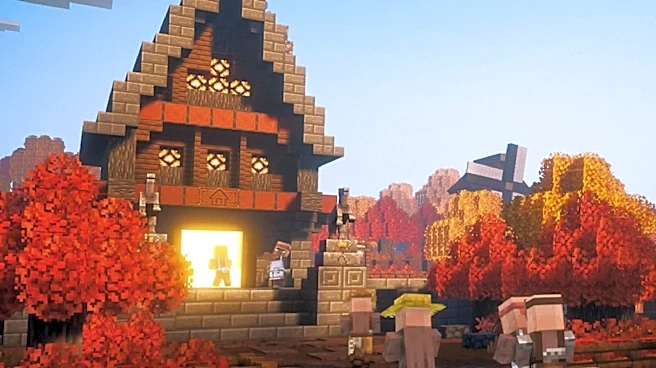
with the California State Senate's Professions and Economic Development Committee regarding Assembly Bill 1921, known as the Protect Our Games Act. The bill aims to ensure that games remain playable even after servers are shut down, requiring developers to provide advance notice and support or offer refunds. Gibbons argued against the bill, claiming it imposes unique scrutiny on video games and that community servers, which are often used to keep games alive, are considered piracy. This assertion has caused a stir, as community servers are a significant part of Minecraft's ecosystem and are even promoted by Mojang and Microsoft.
Why It's Important?
The statement by Gibbons has significant implications for the gaming industry, particularly for games like Minecraft that rely heavily on community engagement. Community servers are a cornerstone of Minecraft's popularity, allowing players to create and share unique experiences. Declaring these servers illegal could disrupt the game's community-driven model and affect millions of players who engage with these servers. Furthermore, the controversy highlights the ongoing debate over digital ownership and the rights of consumers in the gaming industry. If community servers are deemed illegal, it could set a precedent affecting other games and their communities, potentially stifling innovation and player creativity.
What's Next?
Although Assembly Bill 1921 did not pass the State Senate, the Stop Killing Games initiative, which supports the bill, plans to reintroduce it with amendments. This ongoing legislative effort could lead to further discussions and potential changes in how digital games are managed and supported post-launch. The gaming community and industry stakeholders will likely continue to debate the legality and role of community servers. Mojang and Microsoft may need to clarify their stance on community servers to address the concerns raised by Gibbons' comments and reassure their player base.
Beyond the Headlines
The controversy surrounding Gibbons' statement also touches on broader issues of digital rights and the balance between corporate control and community freedom. As digital products become more integral to entertainment, questions about ownership, access, and consumer rights will become increasingly important. The outcome of this debate could influence future legislation and industry practices, potentially reshaping the relationship between game developers, publishers, and their audiences.