



What's Happening?
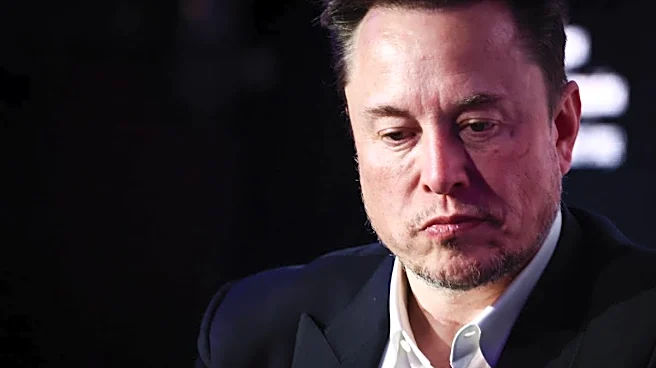
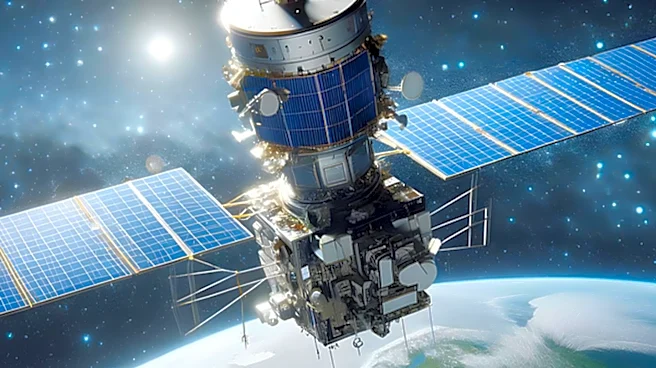
Elon Musk's Starlink, a subsidiary of SpaceX, is pursuing a plan to establish a U.S. network of small cells for mass-market phone service. This initiative aims to integrate small cell technology with Starlink's satellite receivers, potentially located
on residential rooftops, to provide coverage for smartphone users. However, this plan has been met with significant skepticism from wireless industry experts. Analysts like Earl Lum, founder of EJL Wireless Research, and Paul Rhodes, a wireless network expert with Real Wireless, have voiced strong doubts about the technical feasibility and economic viability of such a system. Concerns include the difficulty of installing typical outdoor small cells at residential properties due to power and antenna requirements, the limited coverage of indoor small cells, and the potential for heavy small cell usage to degrade existing satellite broadband service due to shared backhaul capacity. Deutsche Telekom CEO Timotheus Höttges also dismissed the concept of femtocells, which SpaceX President Gwynne Shotwell mentioned, as a technology previously considered and rejected for good reasons.
Why It's Important?
This development is important because it highlights the challenges and potential disruptions in the U.S. telecommunications sector. SpaceX, despite its substantial market capitalization of $1.85 trillion, is attempting to enter a highly competitive market dominated by established players like AT&T, T-Mobile, and Verizon. The success or failure of Starlink's small cell strategy could significantly impact the landscape of mobile connectivity, particularly in rural areas where Starlink currently has a stronger presence. If successful, it could introduce a new competitor and potentially lower costs for consumers, but if it fails, it could result in substantial financial losses for SpaceX and reinforce the dominance of existing carriers. The skepticism from industry veterans underscores the technical hurdles and regulatory complexities involved in deploying a widespread mobile network, suggesting that even a company with SpaceX's resources faces significant obstacles.
What's Next?
SpaceX's next steps will likely involve attempting to overcome the technical and logistical challenges highlighted by industry experts. This could include developing more sophisticated small cell technology that addresses power, antenna, and backhaul capacity concerns, or pursuing regulatory approvals for widespread deployment. There is also speculation that SpaceX's aggressive push into mobile services might be a tactic to pressure major U.S. telcos into Mobile Virtual Network Operator (MVNO) deals, which they have reportedly resisted. If such deals materialize, Starlink could leverage existing infrastructure to offer mobile services. Conversely, if the technical and economic hurdles prove too great, SpaceX might need to re-evaluate its telecom strategy, potentially focusing on its core satellite broadband services or exploring alternative approaches to mobile connectivity. The reaction from major telcos and regulatory bodies will be crucial in shaping the future of Starlink's mobile ambitions.
Beyond the Headlines
Beyond the immediate technical and business challenges, Starlink's small cell initiative raises broader questions about the future of internet and mobile connectivity, particularly the convergence of satellite and terrestrial networks. The debate over the feasibility of this plan touches upon the fundamental physics of signal propagation and the economic realities of network deployment. It also highlights the ongoing tension between innovative, disruptive technologies and established industry practices. The potential for customers to bear increased electricity costs for operating small cells, as suggested by spectrum expert Amit Nagpal, could lead to public backlash and impact adoption rates. Furthermore, the strategy could be seen as a test of Elon Musk's entrepreneurial reputation, with some observers believing he can overcome these challenges, while others view it as a 'rare Musk climbdown' from previous claims about direct-to-device satellite technology. The outcome will offer insights into the limits of technological ambition in a highly regulated and infrastructure-intensive sector.