




What's Happening?
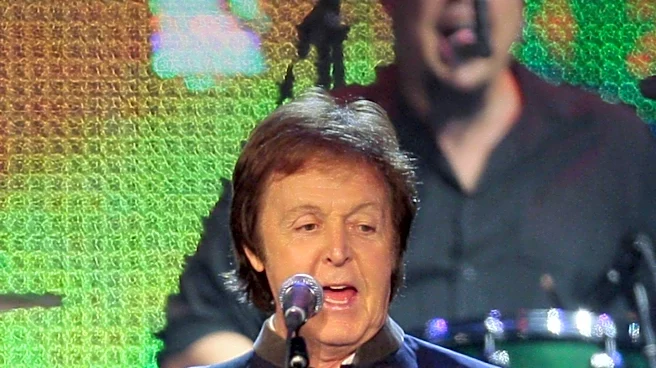
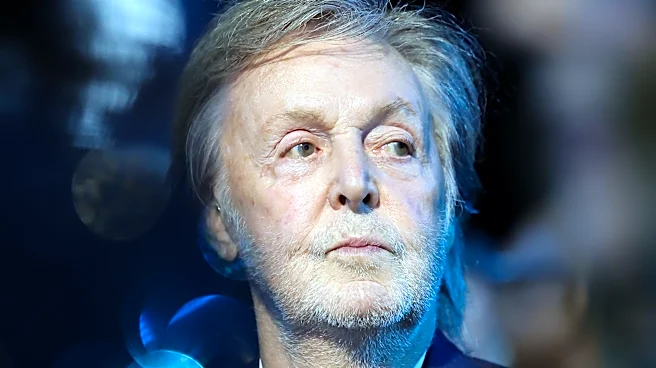
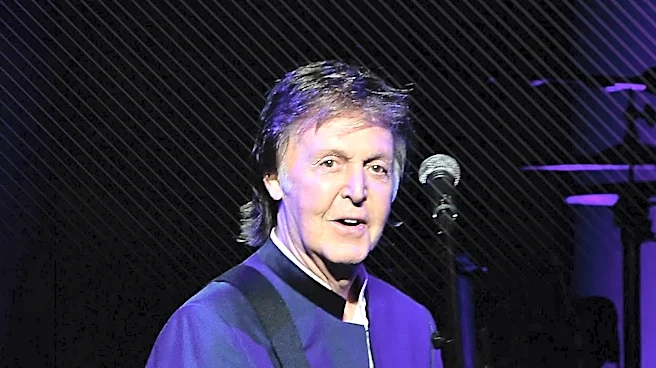
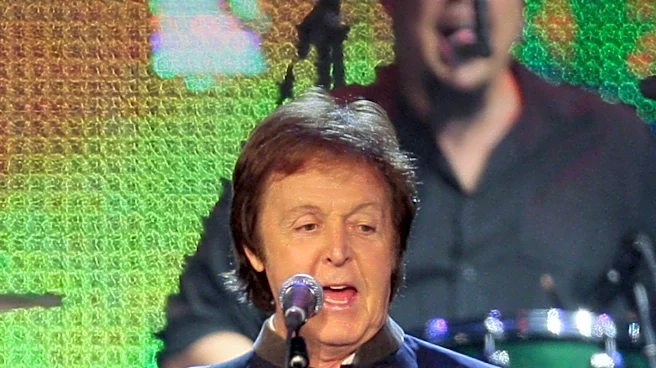
Paul McCartney has officially reached billionaire status, with Forbes estimating his net worth at approximately $1.4 billion. This makes him the world's third wealthiest musician. His substantial fortune is primarily attributed to his extensive music catalog,
successful tours, strategic legal maneuvers, and valuable art collection. A significant portion of his wealth stems from his share of The Beatles’ earnings from Apple Corps, which is reportedly worth around $350 million alone. Additionally, his publishing company, MPL Communications, founded in 1969, plays a crucial role. This company not only manages his solo catalog but also holds the rights to music by other artists, including Buddy Holly, and classic Christmas songs like 'The Christmas Song (Chestnuts Roasting On An Open Fire)' and 'It’s Beginning To Look a Lot Like Christmas,' as well as the musical 'Grease.' Beyond his musical assets, McCartney's real estate holdings across the UK and the Hamptons, along with his collection of rare artwork by artists such as Pablo Picasso and René Magritte, contribute to his overall net worth. McCartney has not publicly commented on these claims made by Forbes.
Why It's Important?
Paul McCartney's attainment of billionaire status underscores the enduring financial power of iconic musical artists, particularly those with extensive catalogs and diversified investments. This achievement highlights the long-term value of intellectual property in the music industry, demonstrating how decades of songwriting, performance, and strategic business decisions can accumulate immense wealth. For the music industry, it reinforces the importance of catalog ownership and publishing rights as key drivers of revenue, especially in an era dominated by streaming and digital consumption. His success also illustrates the potential for artists to leverage their brand beyond music into areas like real estate and art, creating multiple streams of income. This financial milestone could inspire other artists to focus on long-term asset management and intellectual property control, potentially shifting industry practices towards greater artist ownership and financial independence. It also showcases the global appeal and lasting legacy of artists like McCartney, whose work continues to generate significant income decades after its initial release.
What's Next?
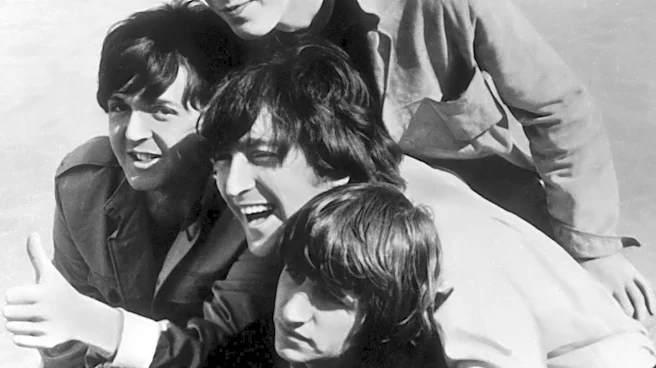
While Paul McCartney has not publicly commented on his billionaire status, the financial milestone is likely to further solidify his position as one of the most influential figures in music and entertainment. His ongoing musical activities, including the recent release of his solo album 'The Boys of Dungeon Lane' and his support for upcoming Beatles biopics, indicate a continued engagement with his artistic legacy. The financial valuation may also draw increased attention to the business models of established artists, particularly regarding catalog management and intellectual property rights. Future discussions within the music industry might focus on how artists can best monetize their work over the long term, drawing lessons from McCartney's diversified portfolio. The upcoming four-movie biopic series about The Beatles, slated for release in April 2028, with full approval from Apple Corps and surviving band members, is expected to generate significant revenue and further enhance the value of The Beatles' catalog, indirectly benefiting McCartney.
Beyond the Headlines
Paul McCartney's billionaire status transcends a mere financial achievement; it represents a profound cultural and economic phenomenon. His wealth is not just from current endeavors but from a meticulously managed legacy spanning over six decades. This highlights the immense, often underestimated, value of cultural heritage and intellectual property in the modern economy. The fact that his publishing company, MPL Communications, manages not only his own work but also that of other legendary artists like Buddy Holly, underscores the strategic importance of catalog acquisition and management in building generational wealth. This model demonstrates how artistic creations can become enduring financial assets, providing a blueprint for artists to secure their financial future beyond their active performing years. Furthermore, his art collection and real estate investments illustrate a sophisticated approach to wealth diversification, moving beyond traditional music revenue streams. This broader financial strategy offers a compelling case study for how artists can transform creative output into a robust, multi-faceted economic empire, influencing perceptions of artists not just as creators but as astute business entities.