




What's Happening?
A recent blog post by Yi Cui highlights a significant financial opportunity for fashion influencers: launching private-label jewelry brands instead of relying solely on affiliate commissions. The analysis suggests that influencers can earn six times more
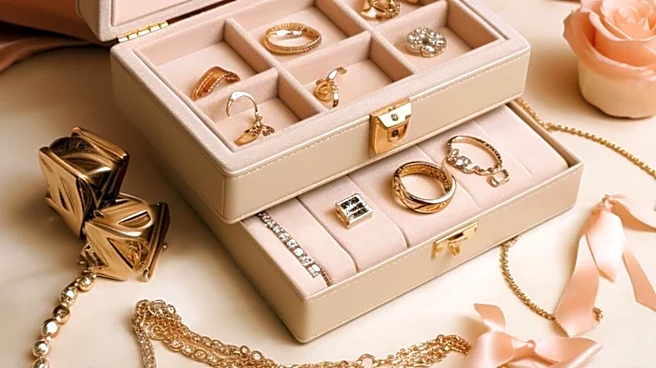
revenue by owning their brand. This shift allows them to capture customer data and build long-term brand equity, which is often lost when directing followers to other brands through affiliate links. The traditional affiliate model, which typically offers 5% to 15% commission, is described as 'audience rental' where the influencer does the heavy lifting of customer acquisition but the brand reaps the long-term benefits. In contrast, a private-label jewelry brand can yield gross margins of 60% to 80%. Jewelry and accessories are identified as ideal products for influencers due to their one-size-fits-all nature, low shipping costs, and high perceived value, which supports premium pricing and higher margins. This approach also mitigates risks associated with algorithm changes or platform shifts that can impact affiliate income.
Why It's Important?
This development is important for the U.S. business landscape, particularly within the creator economy and e-commerce sectors. It signifies a maturation of influencer monetization strategies, moving from transient affiliate partnerships to sustainable brand ownership. For influencers, this means a potential for significantly higher income and the creation of a tangible asset with enterprise value, rather than just relying on fluctuating commission rates. For the broader retail industry, it indicates a growing trend of direct-to-consumer (DTC) brands emerging from influencer communities, potentially increasing competition for established jewelry and accessory retailers. This model also empowers influencers by giving them control over customer relationships and data, fostering stronger brand loyalty and repeat purchases. The emphasis on private-label products like jewelry, which have low return rates and high margins, could also influence product development and marketing strategies for other creators looking to launch their own lines.
What's Next?
The trend of fashion influencers launching private-label jewelry brands is expected to accelerate, with more creators seeking to transition from affiliate marketing to brand ownership. Platforms like Branvas, which offer Brand-as-a-Service solutions, are likely to see increased demand as they simplify the process of sourcing, branding, packaging, and fulfillment for influencers. This will enable even micro-influencers with engaged followings to enter the market without significant upfront inventory costs. We may also see a shift in how brands collaborate with influencers, moving towards more integrated partnerships that allow influencers to co-create or white-label products. The success of early adopters like Pia Mance, who built a multi-million dollar demi-fine jewelry business, will likely inspire others to follow suit, further solidifying this model as a viable and lucrative path within the creator economy.
Beyond the Headlines
Beyond the immediate financial gains, this shift has deeper implications for the power dynamics within the creator economy. It represents a move towards greater independence and control for influencers, challenging the traditional model where platforms and brands held most of the leverage. By owning their audience and product lines, influencers can build more resilient businesses less susceptible to external changes, such as algorithm updates or shifts in platform policies. This also raises questions about consumer trust and authenticity, as influencers transition from recommending third-party products to selling their own. The emphasis on building genuine connections and trust with their audience will become even more critical for the long-term success of these influencer-led brands. Furthermore, the rise of influencer-owned brands could lead to a more fragmented and diverse retail landscape, offering consumers a wider array of niche products tailored to specific aesthetic communities.