



What's Happening?
Mazda North American Operations has announced a new safety initiative and simultaneously issued recalls for specific vehicle models. The safety collaboration involves integrating a digital Slow Down, Move Over alert into its roadside assistance program,
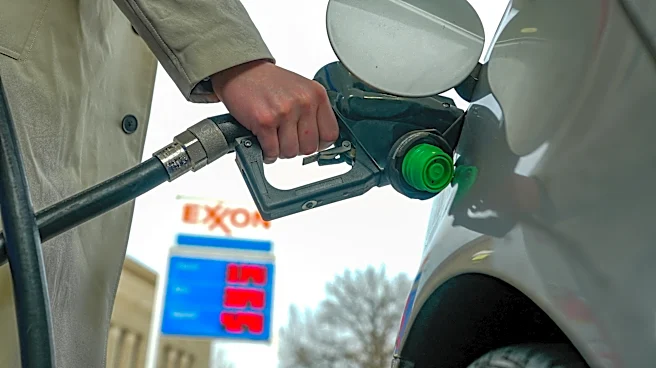
a feature that utilizes the existing Safety Cloud network developed by HAAS Alert. This integration aims to enhance safety for roadside assistance personnel and motorists. Concurrently, Mazda has initiated recalls for certain 2024-2025 CX-90 and 2025 CX-70 vehicles. These recalls address two distinct issues: problems with the electrical system software and inaccurate fuel gauge readings. The electrical system software issue could potentially affect various vehicle functions, while the inaccurate fuel gauge readings could lead to drivers unexpectedly running out of fuel, posing a safety risk.
Why It's Important?
This announcement is important for several reasons. The integration of the Slow Down, Move Over alert into Mazda's roadside assistance program highlights a growing industry trend towards leveraging technology to improve road safety, particularly for vulnerable roadside workers. This proactive step by Mazda, in collaboration with AAA and HAAS Alert, could set a precedent for other automotive manufacturers to adopt similar technologies, potentially reducing accidents and fatalities on U.S. roadways. The vehicle recalls, on the other hand, underscore the ongoing challenges in automotive manufacturing, particularly concerning complex electrical systems and critical components like fuel gauges. These recalls are crucial for maintaining consumer trust and ensuring vehicle safety standards. For affected owners, these issues could lead to inconvenience and potential safety hazards if not addressed promptly, impacting their driving experience and confidence in the brand.
What's Next?
For Mazda, the immediate next steps involve effectively communicating the recall details to affected vehicle owners and facilitating the necessary repairs. This will include providing clear instructions on how owners can get their vehicles serviced at authorized dealerships to rectify the electrical system software and fuel gauge issues. The company will also likely monitor the effectiveness of the Slow Down, Move Over alert integration and gather feedback from roadside assistance providers and motorists. This data could inform future enhancements or broader implementation strategies. From a regulatory perspective, the National Highway Traffic Safety Administration (NHTSA) will oversee the recall process to ensure compliance and that all safety defects are adequately addressed. Other automotive manufacturers may observe Mazda's safety collaboration to assess the feasibility and benefits of implementing similar digital alert systems in their own roadside assistance programs.
Beyond the Headlines
Beyond the immediate safety and recall implications, this development points to broader trends in the automotive industry. The adoption of digital safety alerts reflects an increasing reliance on connected vehicle technology and data-sharing platforms to enhance road safety. This could lead to a more interconnected ecosystem where vehicles, infrastructure, and emergency services communicate seamlessly to prevent accidents. The recalls also highlight the complexities of modern vehicle manufacturing, where software and electronic components play an increasingly critical role. As vehicles become more technologically advanced, the potential for software-related glitches and electrical system malfunctions increases, necessitating robust quality control and rapid response mechanisms for recalls. This could prompt a re-evaluation of software development and testing protocols across the industry to prevent similar issues in future models.