

What's Happening?
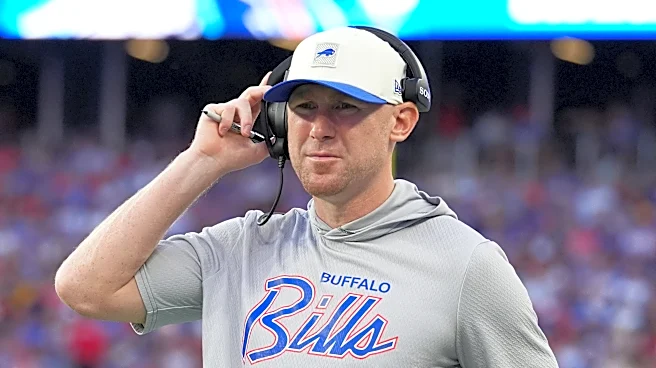
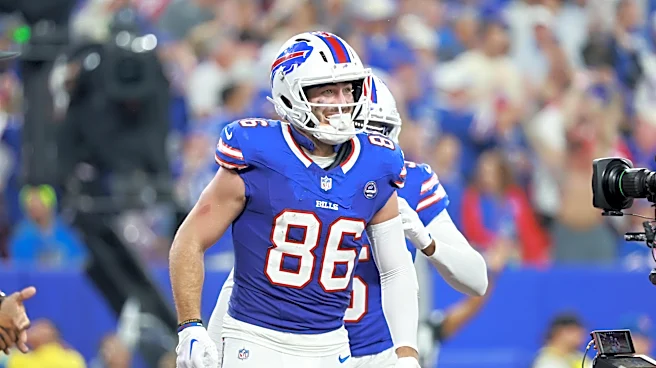
John Murphy, a long-time radio voice for the Buffalo Bills, claims he lost his press-box credential after writing a critical column about new coach Joe Brady for WIVB-TV, the team's official television station. According to Alan Pergament of the Buffalo News,
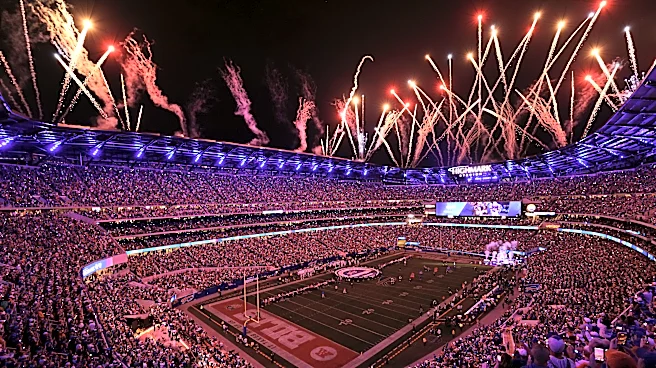
Murphy received a text from WIVB sports director Josh Reed two days after the column was published, informing him he would not have a seat in the press box at the team's new stadium. Murphy, who retired in 2023 after 34 years with the Bills due to a stroke, suspects the denial was a direct consequence of his column, though the official reason given was a policy against part-time workers receiving credentials. The Bills organization declined to comment on the matter. Murphy also stated that a subsequent column predicting a 10-win season for the Bills was not posted by WIVB, with the station citing pressure from the Bills.
Why It's Important?
This situation highlights potential issues regarding media independence and team control over sports reporting. If Murphy's claims are accurate, it suggests a chilling effect where critical analysis of a team's performance or personnel could lead to professional repercussions for journalists. This could impact the public's access to unbiased sports commentary and raise questions about the integrity of sports media outlets that have direct affiliations with teams. For fans, it means potentially receiving a curated narrative rather than comprehensive reporting, especially concerning sensitive topics like coaching decisions or team performance. The incident also underscores the power dynamics between professional sports organizations and the media, particularly when media entities are financially tied to the teams they cover.
What's Next?
It remains uncertain whether the Buffalo Bills retaliated against John Murphy, as such motivations are rarely explicitly stated. The Bills have not commented on the allegations. The incident could prompt further discussion within sports media circles about the ethical boundaries of team-affiliated journalists and the potential for censorship or retaliation. It may also lead to increased scrutiny of how professional sports teams manage their relationships with media partners and the extent to which they influence coverage. For Murphy, the immediate consequence is the loss of his press-box credential, and it is unclear if he will pursue any further action or if WIVB will address his claims publicly.
Beyond the Headlines
The alleged credential revocation touches upon broader themes of journalistic freedom and the commercialization of sports media. In an era where many reporters and analysts are directly or indirectly on the payroll of teams or leagues, the line between objective reporting and promotional content can become blurred. This incident could serve as a case study for examining the pressures faced by sports journalists to conform to team narratives, especially when their employers have financial ties to the teams they cover. It also raises questions about the responsibility of media outlets to protect their journalists from potential retaliation for critical reporting, and the long-term implications for the credibility of sports journalism as a whole.