



What's Happening?
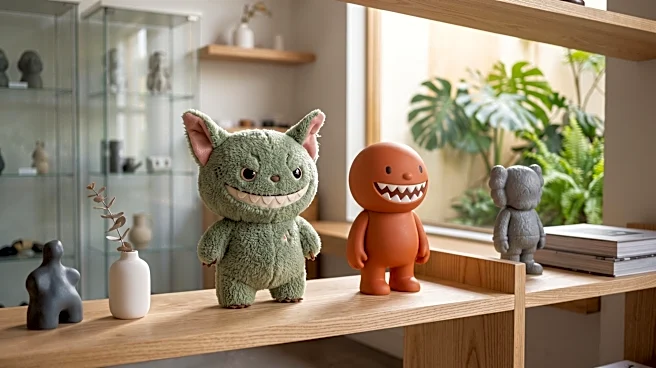
Labubu dolls, created by artist Kasing Lung as part of The Monsters universe, are gaining significant attention among designer toy enthusiasts and collectors. These dolls are characterized by their unusual appearance, featuring pointed ears, wide smiles,
and distinctive teeth, which set them apart from traditional dolls. Labubu's design combines playful and mischievous elements, inspired by Nordic folklore and mythology. The character is described as curious, playful, optimistic, and kind-hearted, despite its 'little monster' look. Collectors can find Labubu dolls in various forms, including colorful plush dolls, detailed collectible figures, and themed merchandise. The appeal extends to different colors, styles, and limited editions, offering a diverse range for fans to explore. The dolls are often sold in blind boxes, adding an element of surprise to the collecting experience. Labubu is part of a larger universe that includes other characters like Zimomo, Tycoco, Spooky, and Pato, allowing for broader collection opportunities.
Why It's Important?
The rising popularity of Labubu dolls highlights a growing trend in the U.S. market for artistic and collectible toys, moving beyond conventional playthings. This phenomenon reflects a shift in consumer preferences towards items that offer unique aesthetic appeal, imaginative storytelling, and a sense of personal style. For businesses in the toy and collectible industry, Labubu's success demonstrates the potential for niche markets and designer collaborations to drive sales and foster dedicated fan bases. The 'blind box' sales model, in particular, creates excitement and encourages repeat purchases, a strategy that other consumer product companies might adopt. Furthermore, the dolls' accessibility, with various price points and forms, allows a wider demographic to engage with the brand, from casual enthusiasts to serious collectors. This trend also underscores the value of intellectual property and character development in creating enduring and marketable products, influencing how brands approach product design and consumer engagement.
What's Next?
The continued growth of Labubu dolls is likely to lead to more collaborations, limited-edition releases, and expansions within The Monsters universe. Manufacturers and retailers will likely capitalize on the demand by introducing new character variations, accessories, and themed collections to maintain collector interest. The success of Labubu could also inspire other artists and designers to enter the collectible toy market, fostering increased competition and innovation. We may see more brands adopting similar strategies, such as blind box sales and engaging storytelling, to create unique collectible experiences. Additionally, the secondary market for Labubu dolls, including resales and trading, is expected to flourish, further solidifying their status as valuable collectibles. The brand's presence in online communities and social media will continue to be crucial for engaging fans and announcing new releases, influencing marketing strategies for similar products.
Beyond the Headlines
The appeal of Labubu dolls extends beyond mere collecting; it taps into deeper psychological and cultural aspects of consumer behavior. The combination of 'cute and unusual' design elements creates a unique aesthetic that resonates with individuals seeking self-expression and a departure from mass-produced uniformity. The imaginative backstory, inspired by Nordic folklore, adds a layer of narrative depth, allowing collectors to connect with the characters on a more emotional level. This trend reflects a broader cultural shift towards valuing authenticity, creativity, and individuality in consumer goods. The act of collecting itself provides a sense of community and belonging among fans, fostering online and offline interactions. Moreover, the investment in designer toys like Labubu can be seen as a form of accessible art appreciation, allowing individuals to own and display unique artistic creations. This phenomenon challenges traditional notions of what constitutes a 'toy' and elevates it to a form of cultural artifact.