

What's Happening?
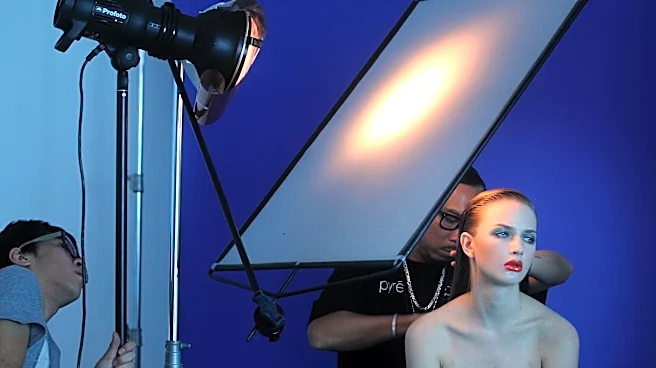
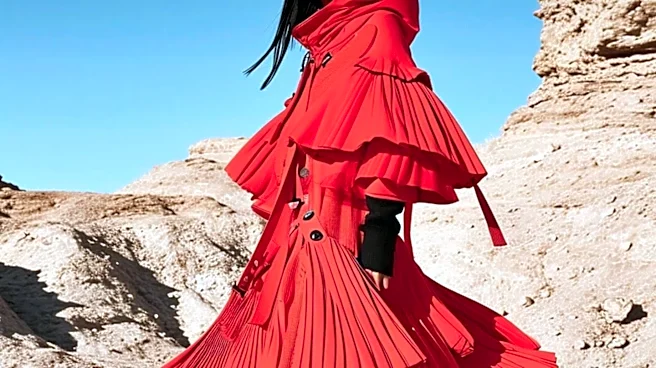
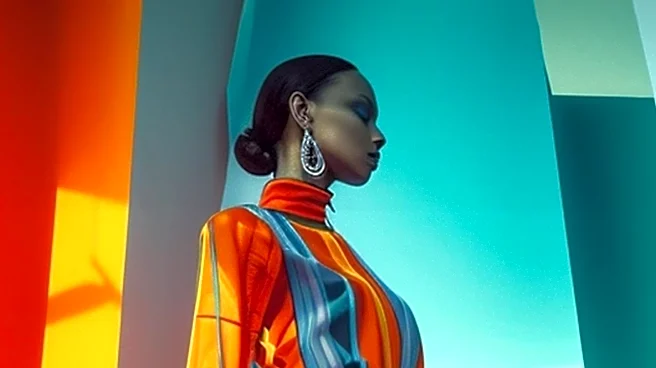
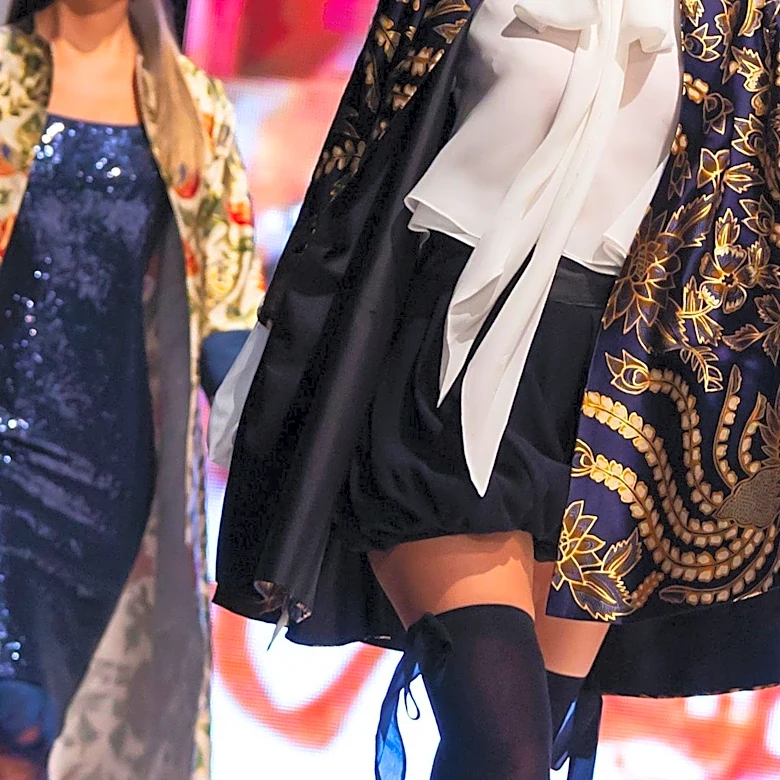
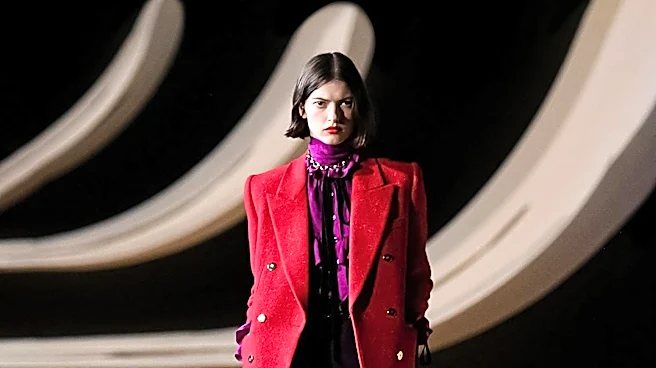
Fashion editorials are distinct from runway presentations, focusing on conveying a specific theme, story, or concept through visually striking imagery. Unlike runway models who primarily showcase clothing in a live format during fashion shows, editorial models are utilized
in magazines, advertisements, and editorial shoots to emphasize artistry and narrative. This distinction highlights the different objectives within the fashion industry: runway modeling is about presenting garments' movement and flow, while editorial modeling aims to create a captivating visual story. Editorial models are characterized by their versatility, ability to convey emotions through facial expressions and poses, and a more flexible approach to height and size compared to the stricter requirements for runway models. The role of an editorial model is to adapt to various styles and moods, making the photographs engaging and thematic.
Why It's Important?
The emphasis on storytelling and artistry in fashion editorials is crucial for shaping consumer perception and driving trends beyond mere product display. By creating compelling narratives, editorials can influence how clothing is perceived, associating garments with specific lifestyles, emotions, or cultural movements. This approach allows brands to build deeper connections with their audience, fostering brand loyalty and aspirational appeal. For the fashion industry, editorial content serves as a powerful marketing tool that transcends direct sales, contributing to brand image and cultural relevance. It also provides a platform for creative expression for photographers, stylists, and models, pushing the boundaries of visual communication in fashion. The distinction between editorial and runway modeling ensures that each serves its unique purpose effectively, catering to different aspects of fashion communication and commerce.
What's Next?
As the fashion industry continues to evolve, the role of editorial content is likely to become even more integrated with digital platforms and immersive experiences. Brands may increasingly leverage editorial storytelling across social media, virtual reality, and interactive online lookbooks to engage consumers. The demand for versatile editorial models capable of adapting to diverse digital formats and narrative styles will also grow. Furthermore, the line between traditional editorial content and influencer marketing may blur, with more collaborations aimed at creating authentic and relatable fashion stories. This evolution will require continuous innovation in visual storytelling techniques and a deeper understanding of audience engagement in a rapidly changing media landscape.
Beyond the Headlines
The shift towards storytelling in fashion editorials reflects a broader cultural trend where consumers seek authenticity and narrative depth in their interactions with brands. This approach moves beyond superficial consumption, encouraging a more thoughtful engagement with fashion as a form of self-expression and cultural commentary. Ethically, this focus on artistry can also open doors for more diverse representation in modeling, as the emphasis shifts from strict physical requirements to the ability to embody a character or convey a complex emotion. Legally, the creative freedom in editorial work might lead to new forms of intellectual property protection for visual narratives. Culturally, fashion editorials contribute to the ongoing dialogue about identity, beauty standards, and societal values, making them more than just promotional material but significant cultural artifacts.