





What's Happening?
Makeup artist Bobbi Brown has voiced strong criticism against several popular makeup trends, particularly contouring and certain concealer application techniques, stating they often look "terrible in real life." In an interview on the LA Times Studios
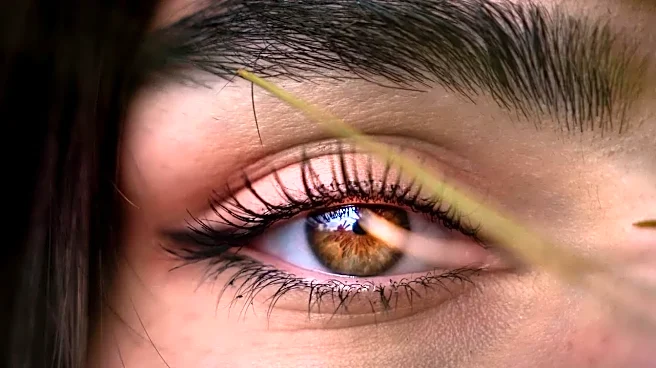
podcast Live + Well, Brown, who founded Bobbi Brown Cosmetics and later Jones Road, argued that many social media-driven trends, while appearing impressive in before-and-after clips, result in a 'cake batter' appearance on the skin. She specifically targeted the viral technique of sweeping concealer in a low, lifted triangle, explaining that concealer should be applied directly to dark areas, extending up to the lashes, to effectively lighten dark circles and make one look "wide awake." Brown also expressed her long-standing opposition to makeup that aims to drastically alter one's natural features, advocating instead for enhancing what one already has.
Why It's Important?
Brown's critique is significant as it challenges the pervasive influence of social media on beauty standards and product application. Her comments highlight a growing disconnect between digital aesthetics and real-world appearance, potentially influencing consumers to re-evaluate their makeup routines and product choices. For the beauty industry, this perspective from an established expert could encourage a shift towards more natural, skin-friendly approaches and away from heavily sculpted, transformative looks. It also underscores the importance of education in makeup application, emphasizing technique over trend. Consumers, particularly younger generations heavily influenced by platforms like TikTok, might gain a more realistic understanding of makeup's purpose, potentially reducing pressure to conform to unattainable digital beauty ideals and fostering a healthier relationship with their appearance.
What's Next?
Brown's remarks could spark further discussion within the beauty community about the practical application of viral trends versus their on-screen appeal. This might lead to beauty brands and influencers offering more realistic tutorials and promoting products that enhance natural features rather than drastically altering them. Consumers may become more discerning about the makeup techniques they adopt, prioritizing comfort and natural appearance over dramatic transformations. The conversation could also extend to the broader impact of filters and digital enhancements on self-perception, prompting a re-evaluation of how beauty is portrayed and consumed online. Brown's own brand, Jones Road, which focuses on clean and natural makeup, may see increased interest as consumers seek alternatives to the trends she criticizes.
Beyond the Headlines
Beyond the immediate impact on makeup trends, Brown's commentary touches upon deeper societal issues related to self-acceptance and the pressure to conform to idealized images. Her long-held philosophy of embracing one's natural face and her personal experience with societal pressure to alter her nose speak to the ethical implications of the beauty industry's messaging. The emphasis on 'transformative' makeup and cosmetic procedures, often fueled by social media, can contribute to body image issues and a constant pursuit of an unattainable ideal. Brown's stance encourages a more authentic approach to beauty, promoting self-love and confidence in one's inherent features. This perspective challenges the commercial imperative to create insecurities to sell products, advocating instead for a beauty philosophy rooted in well-being and self-appreciation.