




What's Happening?
The Nigerian Electricity Regulatory Commission (NERC) has transferred regulatory oversight of the Lagos electricity market to the Lagos State Electricity Regulatory Commission (LASERC). This move allows Lagos to independently plan its electricity supply
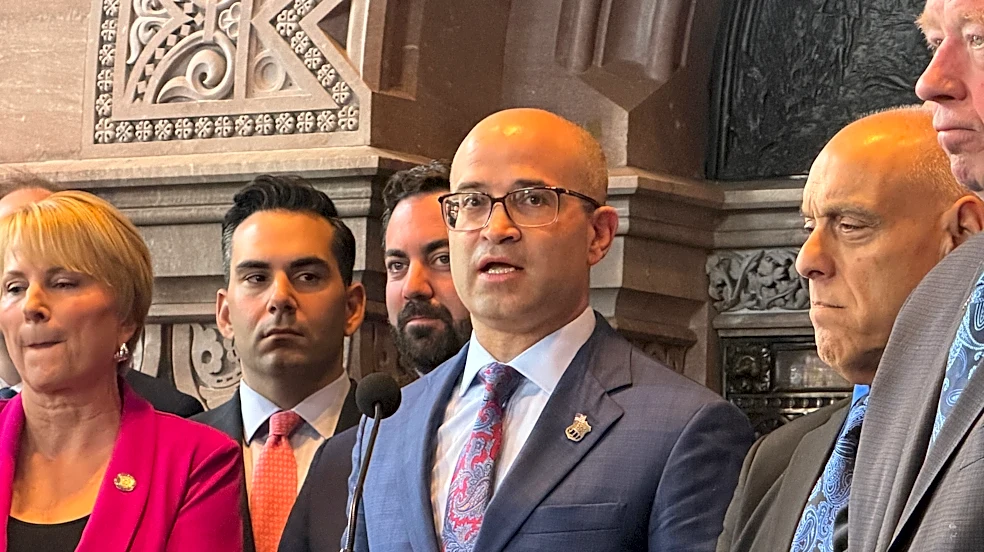
based on its economic realities, rather than relying on a central market allocation. The state has also established LAISO as its independent system and market operator. Currently, formal electricity supply in Lagos is below 1,000MW. The new market plan aims for a six-fold increase in wheeling capacity and involves fourteen operators. Biodun Ogunleye, Lagos State Commissioner for Energy and Mineral Resources, stated that the focus is shifting the market from a 'best effort' model to one of 'contractual obligation,' ensuring measurable obligations for operators regarding supply hours, metering, losses, reliability, customer service, investment, and network performance. This reform seeks to attract private capital and improve electricity services for industries and residents.
Why It's Important?
This reform in Lagos's electricity market is significant as it could serve as a proof of concept for a decentralized, multi-market electricity structure within Nigeria. If successful, it demonstrates that federal and state markets can coexist, with states taking greater responsibility for local regulation, distribution, supply, and investment. For businesses, reliable electricity can lead to reduced production costs, improved competitiveness, increased capacity utilization, and easier job creation. Investors are being encouraged to watch for the shift to a contract-based market, the mobilization of approximately 2,000MW of additional supply, and advancements in transmission and distribution reinforcement. The state's strategy includes deeper collaboration with federal entities, opening the network to private capital, and commercial reforms to create bankable cashflows, which are crucial for financing infrastructure development.
What's Next?
Over the next two to three years, investors will be closely observing several key developments in the Lagos electricity market. These include the full transition to a contract-based market, the addition of approximately 2,000MW of new electricity supply, and significant reinforcement of transmission and distribution infrastructure. Progress towards universal communicating and 100% metering is also a critical area of focus, alongside the development of gas-to-power and digital market infrastructure. The Lagos government's implementation framework integrates these elements into a coordinated program. The ultimate goal is to create an electricity market capable of supporting 6GW and beyond, incorporating gas, renewables, storage, embedded generation, and distributed energy. Success in Lagos could provide a replicable model for other major economic centers in Nigeria.
Beyond the Headlines
The decentralization of electricity market oversight in Lagos has broader implications beyond immediate power supply improvements. It represents a shift towards greater regional autonomy in critical infrastructure management, potentially fostering more tailored solutions to local economic and social needs. The emphasis on 'contractual obligation' over 'best effort' introduces a new level of accountability and predictability, which is vital for attracting long-term private investment. This model could also encourage innovation in energy solutions, including the integration of diverse energy sources like renewables and distributed generation, to meet the demands of a rapidly growing urban center. Furthermore, the success of this initiative could influence policy discussions around federalism and resource control in Nigeria, potentially empowering other states to take similar steps in managing their essential services.