







What's Happening?
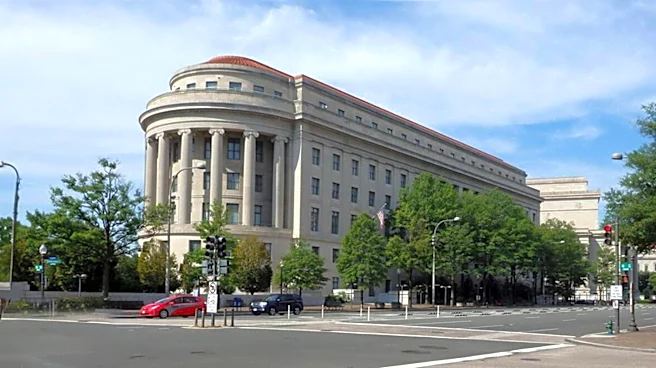
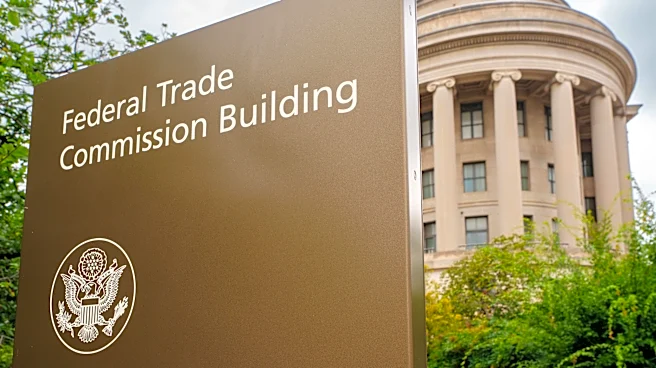
The Federal Trade Commission (FTC) and Southern Glazer's have reached a settlement in a case concerning alleged violations of the Robinson-Patman Act (RPA). The lawsuit, filed by the FTC near the end of the Biden administration, accused Southern Glazer's of offering
discriminatory pricing, including discounts and rebates, to large chain retailers that were not made available or practically achievable by smaller, independent retailers. This marked the first FTC lawsuit under the RPA since 2000, signaling a renewed focus on enforcing the act. A federal court had previously denied Southern Glazer's motion to dismiss the case in April 2025, allowing the litigation to proceed. The settlement aims to prevent Southern Glazer's from charging indefensibly lower prices to its five largest retail customers compared to competing small independent customers. It also includes provisions for direct payments to allegedly harmed small independent retailers if an independent monitor determines a violation of the settlement terms.
Why It's Important?
This settlement is significant as it represents a rare instance of FTC enforcement of the Robinson-Patman Act, an antitrust law designed to prevent price discrimination that harms competition. The RPA, enacted during the Great Depression, aims to protect small businesses from being disadvantaged by larger competitors receiving preferential pricing. The FTC's renewed attention to the RPA, after decades of minimal enforcement, indicates a potential shift in antitrust policy under the current administration. This could have broad implications for U.S. industries, particularly those with large and small retailers competing for market share. The settlement's unique provisions, such as the focus on the top five customers and the inclusion of an 'operating expense efficiency' offset, suggest a tailored approach to enforcement. While the settlement provides a roadmap for Southern Glazer's, its applicability as a general compliance guide for other industries is limited due to the specific context of alcohol distribution and the settlement's deviations from traditional RPA case law.
What's Next?
While the settlement resolves the immediate dispute between the FTC and Southern Glazer's, it sets a precedent for future RPA enforcement actions. Companies, especially those in industries with significant disparities between large and small retailers, should anticipate continued scrutiny from the FTC regarding pricing practices. The settlement's complexities, including its detailed sales data analysis and 'excess payment' calculations, highlight the challenges in enforcing the RPA. The independent monitor's role in identifying violations and facilitating payments to small retailers will be crucial in ensuring compliance. However, the unique industry context of alcohol distribution, with its heavy state regulation and three-tiered system, means that this settlement may not be a direct template for other sectors. Businesses in other industries will need to carefully assess their pricing strategies in light of the FTC's renewed interest in the RPA, potentially leading to increased legal reviews and adjustments to avoid similar enforcement actions.
Beyond the Headlines
The FTC's enforcement action and subsequent settlement with Southern Glazer's signal a broader re-evaluation of antitrust enforcement in the U.S., particularly concerning the protection of small businesses. This move could empower smaller enterprises by leveling the playing field against larger corporations that might leverage their purchasing power for preferential pricing. However, the settlement's deviations from established RPA case law and its industry-specific nature raise questions about the consistency and predictability of future enforcement. It also highlights the ongoing debate about the relevance and effectiveness of older antitrust statutes in modern economic landscapes. The focus on price discrimination could lead to increased compliance costs for businesses and potentially impact supply chain dynamics. Ultimately, this development could foster a more competitive environment for small businesses, but it also introduces new complexities and uncertainties for corporate pricing strategies across various U.S. sectors.