





What's Happening?
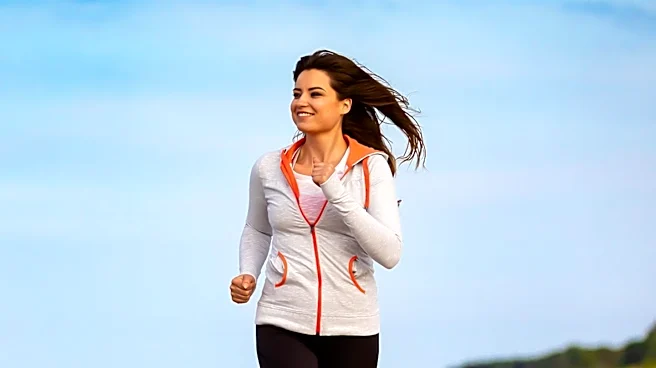
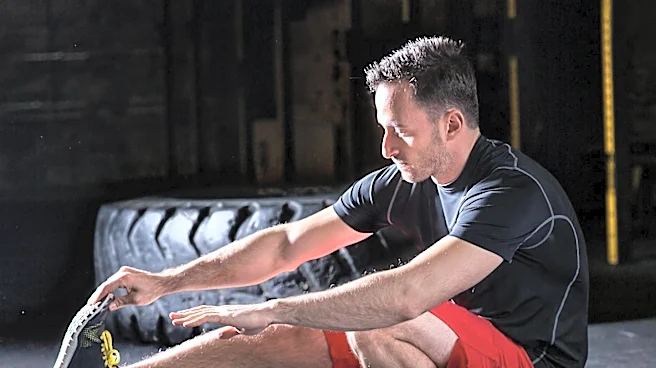
Post-menopausal women are encouraged to incorporate weight-bearing activities, strength, and balance exercises into their routines to support bone and muscle strength. As estrogen levels decline during menopause, bone breakdown can outpace formation,
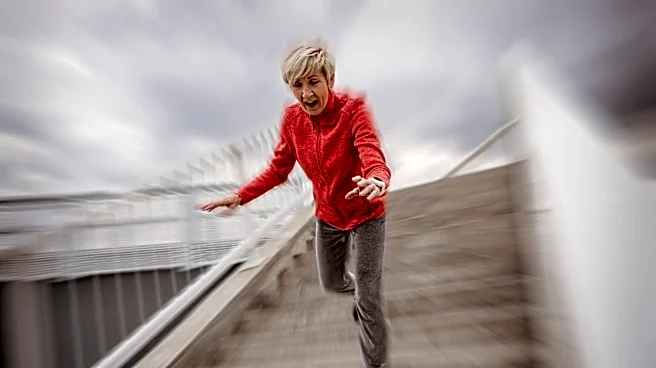
increasing the risk of weaker bones and fractures. Regular activities such as brisk walking, dancing, and resistance exercises are recommended. Additionally, balance and coordination activities can help reduce the risk of falls. A balanced diet rich in calcium and vitamin D is also crucial, with calcium preferably sourced from food like dairy products, tofu, leafy greens, and fortified foods. Vitamin D aids in calcium absorption, and healthcare professionals can advise on appropriate supplementation. Avoiding smoking and limiting alcohol intake further contribute to bone health. These recommendations aim to mitigate the accelerated bone loss that often occurs during the menopause transition and early postmenopause.
Why It's Important?
The emphasis on specific exercise and nutritional strategies for post-menopausal women is vital due to the significant health risks associated with declining estrogen levels. Bone loss can lead to osteopenia, osteoporosis, and an increased susceptibility to fractures, which can severely impact quality of life and independence. By promoting weight-bearing and strength exercises, these guidelines aim to maintain bone mineral density and muscle function, directly addressing the physiological changes that occur post-menopause. The focus on a calcium and vitamin D-rich diet supports the structural integrity of bones, while lifestyle modifications like avoiding smoking and reducing alcohol intake remove factors known to accelerate bone degradation. This proactive approach can reduce healthcare burdens related to fracture treatments and long-term care, fostering healthier aging for a substantial demographic of the U.S. population.
What's Next?
Women experiencing menopause or post-menopause are advised to consult healthcare professionals to develop personalized bone health plans. This includes discussing whether bone-density testing, such as a DXA scan, is appropriate based on age and risk factors. Clinicians can help tailor exercise programs, especially for individuals with pre-existing conditions like osteoporosis or a history of fractures. They can also provide guidance on meeting calcium and vitamin D needs, determining if supplements are necessary, and reviewing any medications that might affect bone health. The ongoing research into the effects of exercise and nutrition on post-menopausal health will likely lead to further refinements in these recommendations, potentially incorporating new insights into personalized care and preventative strategies.
Beyond the Headlines
The recommendations for post-menopausal bone health extend beyond physical well-being, touching upon broader societal and economic implications. Empowering women to maintain physical activity and bone strength can significantly reduce the societal cost of osteoporosis-related fractures, including hospitalizations, rehabilitation, and long-term care. Furthermore, promoting an active lifestyle can enhance mental health, reduce the incidence of other chronic diseases, and foster greater independence in older age. This holistic approach to health during and after menopause underscores the importance of preventative care and personalized medicine, highlighting how individual health choices, supported by professional guidance, can lead to substantial improvements in public health outcomes and economic productivity.