





What's Happening?
Setting up an effective home office requires careful consideration of lighting, technology organization, and ergonomic furniture, according to Lalamove UAE. Natural light from windows is recommended, supplemented by desk lamps and adjustable lighting for
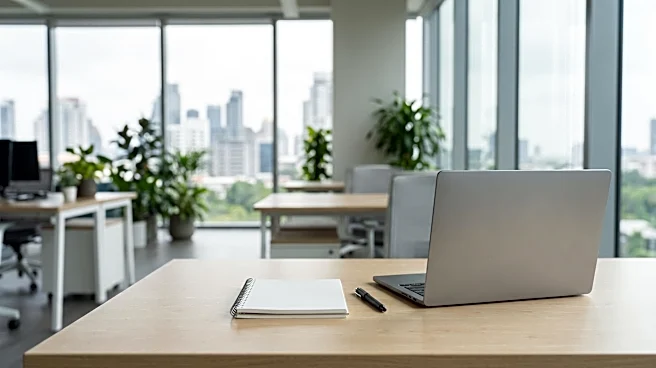
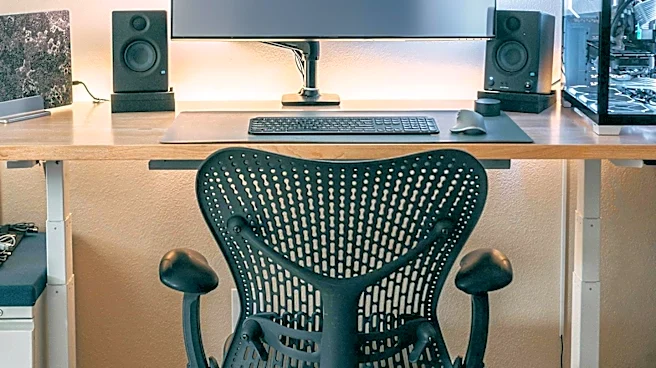
video calls. To combat clutter, it's crucial to organize cables from the outset, potentially using USB hubs and cable management solutions. Investing in a comfortable, adjustable chair and a suitable desk is highlighted as essential for maintaining proper posture throughout the workday. The goal is to create a practical workspace that minimizes distractions and supports productivity, rather than a visually perfect one. This involves choosing a location with adequate natural light and power outlets, and ensuring enough space for necessary equipment while keeping high-traffic areas separate.
Why It's Important?
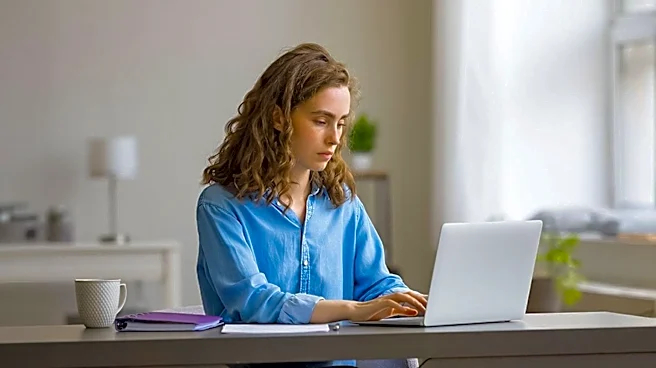
The shift towards remote and hybrid work models has made the home office a central component of many Americans' professional lives. A well-designed home office directly impacts productivity, physical well-being, and the ability to maintain a work-life balance. Poor lighting can lead to eye strain, while an unorganized space can increase stress and reduce efficiency. Lack of ergonomic support can result in chronic pain, affecting long-term health and work performance. By prioritizing these elements, individuals can create an environment that fosters focus and comfort, reducing the likelihood of burnout and physical ailments. This is particularly important as companies continue to embrace flexible work arrangements, making the home office a permanent fixture for a significant portion of the workforce. The investment in proper setup can lead to increased job satisfaction and sustained productivity.
What's Next?
Individuals setting up or refining their home offices should focus on a phased approach, starting with essential furniture and gradually adding equipment and decor based on actual needs. Future trends suggest a move towards more purposeful and portable accessories that support hybrid work models, allowing for consistent workspace experiences across different locations. This includes portable laptop stands and integrated organizers that facilitate quick setup and ergonomic adjustments. The emphasis will be on accessories that are durable, easy to transport, and contribute to a clutter-free environment. For those needing to transport larger items like desks or chairs, delivery services are becoming increasingly relevant. The ongoing evolution of work environments will likely see continued innovation in home office solutions that prioritize adaptability and user well-being.
Beyond the Headlines
The emphasis on a functional and ergonomic home office extends beyond immediate productivity gains, touching upon broader societal implications related to health, sustainability, and the future of work. The rise of remote work has brought to light the importance of individual responsibility in creating healthy work environments, shifting some of the burden from employers to employees. This also raises questions about the environmental impact of home office setups, encouraging the use of sustainably sourced materials and durable products. Furthermore, the distinction between personal and professional space, often blurred in a home office, highlights the psychological need for clear boundaries to prevent work from encroaching on personal life. The design of these spaces can influence mental well-being, fostering a sense of control and calm in an increasingly demanding professional landscape.