

What's Happening?
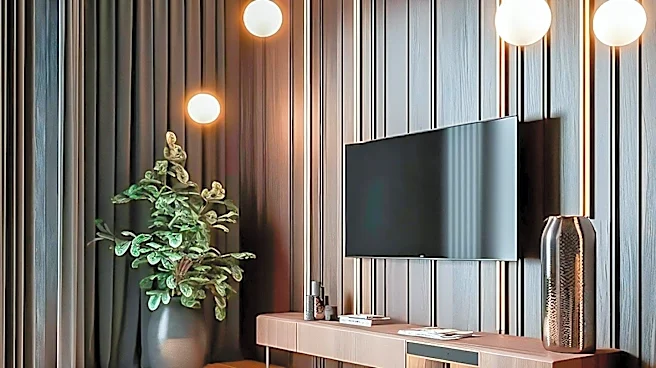
Current interior design trends are showcasing innovative uses of wallpaper, moving beyond traditional full-wall applications. Designers are increasingly favoring half-wall wallpaper installations, often paired with architectural details like board and
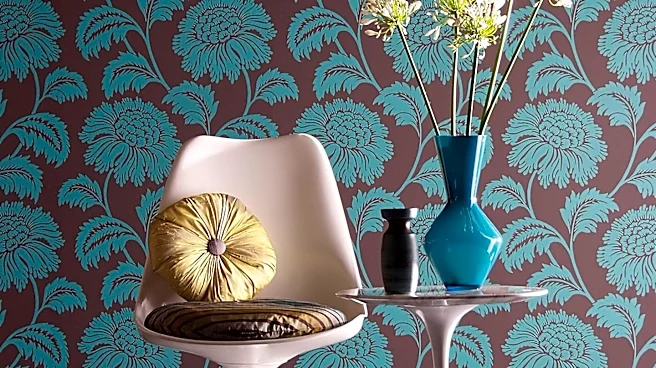
batten, beadboard, or picture frame molding on the lower half of walls. This approach creates a layered, custom look that balances bold patterns with grounded woodwork. Another emerging trend involves installing wallpaper within decorative molding to create framed sections, transforming walls into bespoke design features. Additionally, there's a growing emphasis on using wallpaper in smaller spaces, such as entryways, laundry rooms, or bathrooms, to make significant visual impacts without overwhelming larger areas. These smaller applications also serve as opportunities for homeowners to experiment with bolder prints or darker colors. The shift reflects a desire for more thoughtful and creative wallpaper usage, allowing for personalized expressions in home decor.
Why It's Important?
These evolving wallpaper trends signify a broader shift in home interior design towards personalization and curated aesthetics. For homeowners, these trends offer versatile and accessible ways to update living spaces, allowing for significant visual changes without extensive renovations. The use of half-wall and framed wallpaper techniques provides a more refined and less permanent commitment to bold patterns, potentially encouraging wider adoption among those hesitant about full-room wallpapering. For the interior design industry, these trends drive demand for diverse wallpaper patterns, textures, and materials, fostering innovation among manufacturers. The focus on smaller spaces also opens up new market segments, as consumers may be more willing to invest in premium or unique wallpapers for compact areas. This movement away from uniform wall coverings towards more artistic and strategic applications underscores a growing appreciation for detailed and individualized home environments.
What's Next?
As these trends gain momentum, consumers can expect to see a wider array of wallpaper designs tailored for specific applications, such as smaller-scale patterns suitable for framed panels or versatile designs that complement various architectural moldings. Wallpaper manufacturers are likely to respond by offering more diverse collections that cater to these nuanced uses, including options with varying textures, finishes, and pattern scales. Interior designers will continue to explore and integrate these techniques into their projects, further popularizing them through visual platforms like Pinterest and Instagram. The emphasis on customization and unique focal points suggests a continued move away from mass-produced, uniform interior styles, encouraging homeowners to view wallpaper as an artistic element rather than just a wall covering. This could also lead to increased demand for professional installation services as more intricate applications become popular.
Beyond the Headlines
The resurgence and evolution of wallpaper trends reflect a deeper cultural shift towards valuing individuality and craftsmanship in personal spaces. In an increasingly digital world, there's a growing desire for tactile, visually rich environments that offer a sense of comfort and personality. These wallpaper trends, by encouraging thoughtful application and artistic expression, contribute to creating homes that feel more curated and less generic. Ethically, the demand for diverse materials and sustainable options within the wallpaper industry may also grow, pushing manufacturers towards eco-friendly production methods and materials. This trend also highlights the cyclical nature of design, where traditional elements like wallpaper are reinterpreted and modernized to fit contemporary aesthetics, demonstrating how classic decor elements can remain relevant through innovative application.