





What's Happening?
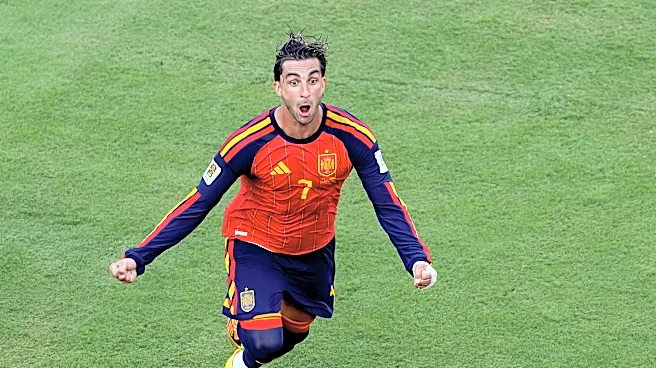
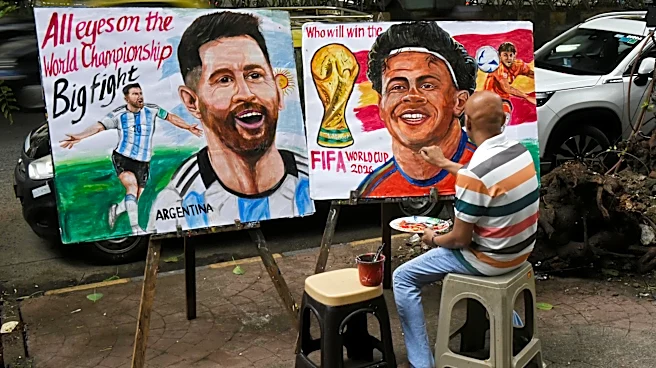
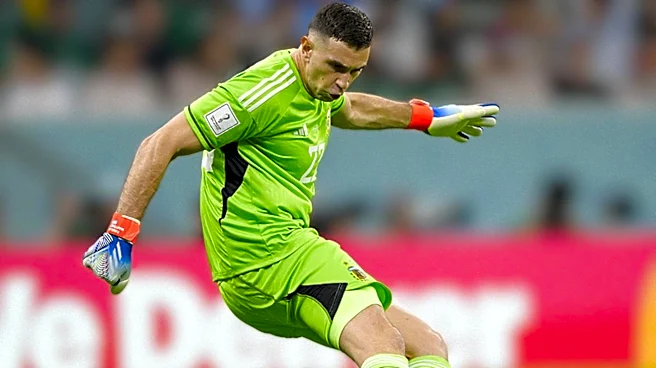
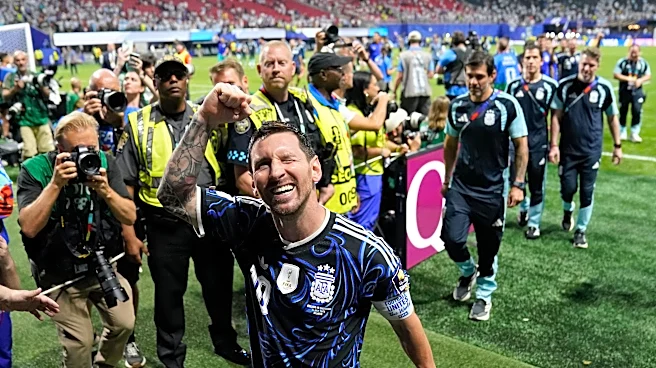
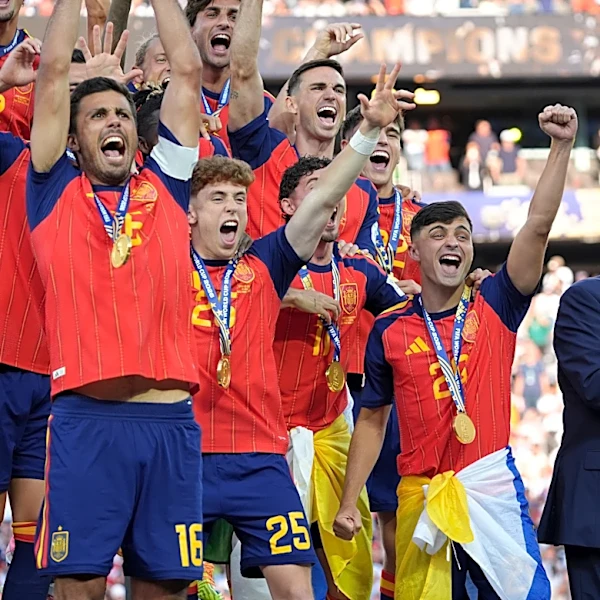
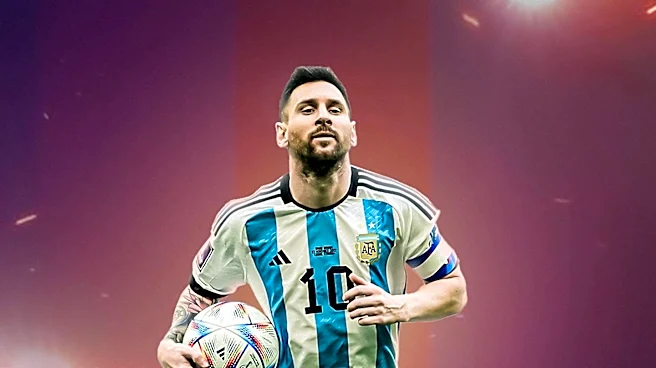
The 2026 FIFA World Cup, hosted in North America, has significantly impacted soccer fans, including those who previously had little interest in the sport. The tournament, which featured 104 games, saw Spain triumph over Argentina in a thrilling final,
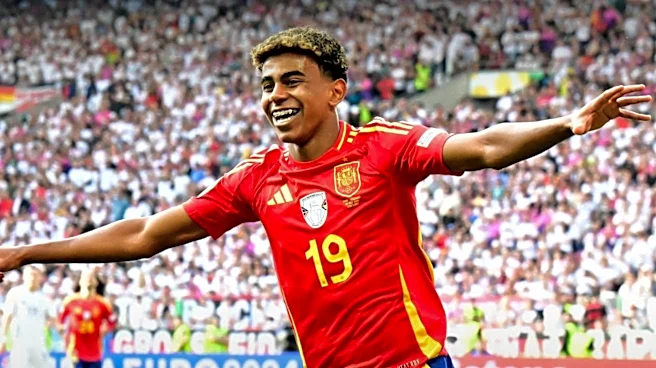
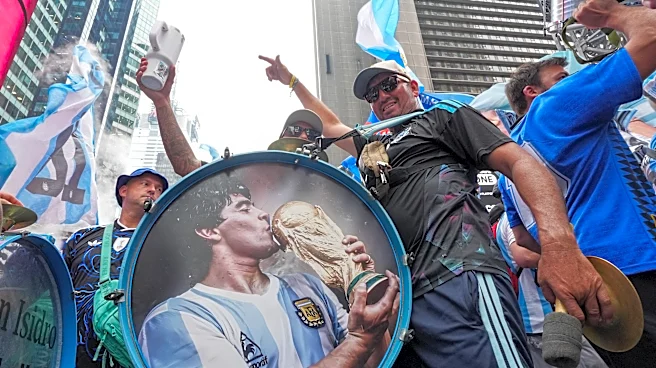
with Ferran Torres scoring the decisive goal in extra time. The event captivated audiences with its dramatic matches and the performances of emerging stars like Erling Haaland and Lamine Yamal. The World Cup's ability to unite diverse fan bases and showcase the cultural richness of participating nations has been a highlight, drawing in viewers who were previously indifferent to soccer.
Why It's Important?
The 2026 World Cup has demonstrated soccer's power to transcend cultural and national boundaries, fostering a sense of global community. In the U.S., the tournament's success in attracting record viewership highlights soccer's growing popularity, potentially influencing the future of sports broadcasting and marketing strategies. The event also underscores the potential for sports to serve as a unifying force, offering lessons in resilience and teamwork. As soccer continues to gain traction in the U.S., it could lead to increased investment in domestic leagues and youth programs, further integrating the sport into American culture.
What's Next?
With the conclusion of the 2026 World Cup, attention will shift to the upcoming Women's World Cup in Brazil, where fans will continue to engage with the sport. The success of the men's tournament may inspire more Americans to follow international club teams and support local leagues, such as Major League Soccer (MLS) and the National Women's Soccer League (NWSL). As soccer's popularity grows, stakeholders in the sports industry may explore opportunities to capitalize on this momentum, potentially leading to expanded media coverage and sponsorship deals.
Beyond the Headlines
The World Cup's impact extends beyond the pitch, highlighting issues such as the commercialization of sports and the role of major events in shaping national identities. The tournament has also sparked discussions about the ethical implications of hosting large-scale events, including concerns about labor practices and environmental sustainability. As soccer becomes more entrenched in American society, these broader conversations may influence public policy and corporate responsibility in the sports sector.