


What's Happening?
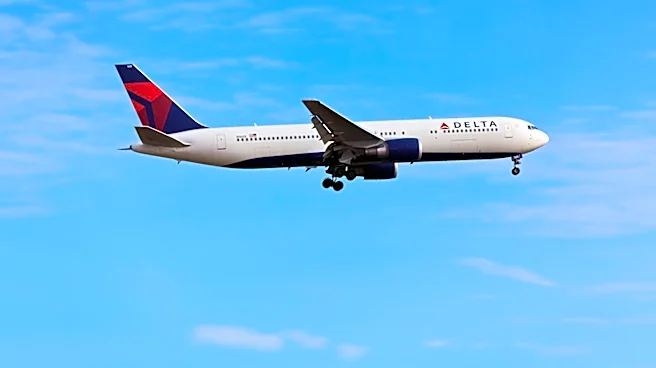
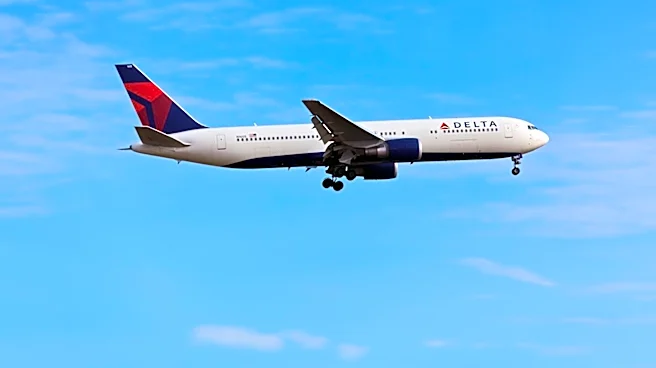
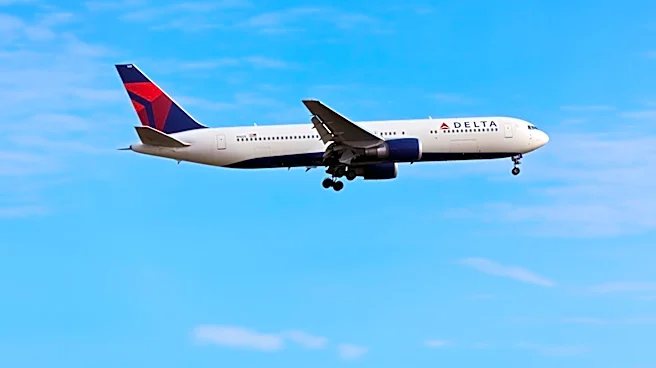
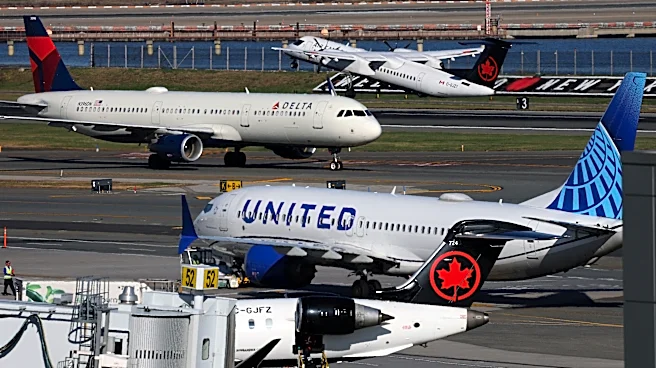
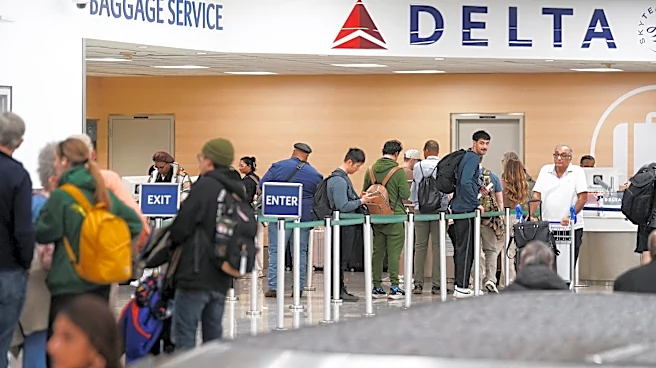
Delta Air Lines CEO Ed Bastian announced at the Fortune 500 Innovation Forum that the airline's ticket prices have risen by 15% to 20% this year. This increase is primarily attributed to higher fuel costs. Despite the elevated prices, Bastian noted that customers
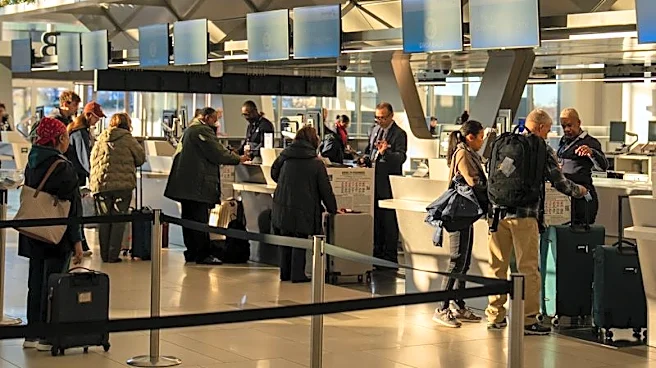
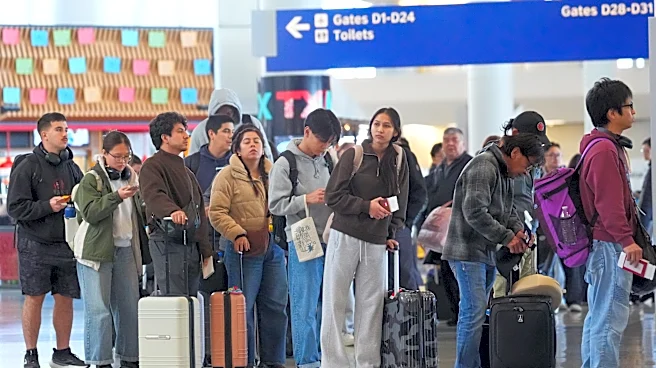
are continuing to purchase tickets. This statement comes as millions of Americans are expected to travel for Thanksgiving, with air travel being a significant component. The national average cost for a plane ticket this Thanksgiving is estimated by AAA to be $800, marking a 17% increase from the previous year. Travelers like Michael Edelman from South Jersey reported spending between $700 and $750 per ticket for flights to Texas, aligning with the national average. The airline industry is experiencing a period of increased demand coupled with rising operational expenses.
Why It's Important?
The reported increase in Delta's ticket prices, driven by fuel costs, highlights a broader trend affecting the U.S. airline industry and consumers. Higher operational costs for airlines often translate to increased fares for passengers, impacting travel budgets for individuals and families. While customers are currently willing to absorb these higher prices, as indicated by Bastian, sustained increases could eventually dampen demand, particularly for discretionary travel. This situation also underscores the airline industry's vulnerability to fluctuating global fuel prices, which are influenced by geopolitical events and supply chain dynamics. For the U.S. economy, robust air travel is a key indicator of consumer confidence and economic activity, and significant shifts in pricing or demand could have ripple effects across related sectors like tourism and hospitality. The ability of airlines to pass on costs to consumers without a substantial drop in demand suggests a resilient travel market, at least in the short term.
What's Next?
The airline industry will likely continue to monitor fuel prices closely, as these remain a primary driver of operational costs and ticket pricing. If fuel costs stabilize or decrease, there could be a potential for ticket prices to level off or even decline, offering some relief to travelers. Conversely, further increases in fuel prices could lead to additional fare hikes. Airlines will also be observing consumer behavior to gauge the elasticity of demand in response to these price changes. The upcoming holiday travel seasons, such as Christmas and New Year's, will provide further data on consumer willingness to pay higher fares. Regulatory bodies and consumer advocacy groups may also pay closer attention to pricing strategies if increases become a persistent trend, potentially leading to discussions about market fairness and affordability of air travel. The industry's long-term strategy will involve balancing cost management with maintaining passenger volume and profitability.
Beyond the Headlines
The current trend of rising airfares, while immediately attributable to fuel costs, also reflects deeper economic and societal shifts. The willingness of consumers to pay significantly more for air travel, even amidst broader inflationary pressures, suggests a strong underlying desire for mobility and connection, possibly amplified by post-pandemic travel resurgence. This could indicate a re-prioritization of experiences, such as travel, over other discretionary spending. Furthermore, the reliance on fossil fuels for aviation highlights the industry's ongoing challenge in transitioning to more sustainable and less price-volatile energy sources. The long-term implications could include accelerated investment in sustainable aviation fuels (SAFs) and more fuel-efficient aircraft designs. This situation also brings into focus the economic disparities, as higher travel costs disproportionately affect lower-income individuals, potentially limiting their access to air travel and its associated benefits, such as visiting family or accessing economic opportunities in distant locations.