





What's Happening?
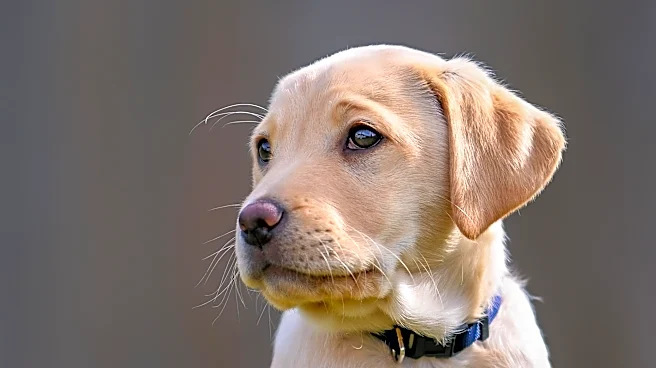
The World Animal Foundation has highlighted seven remarkable dog breeds that excel in waterfowl hunting, emphasizing the unique demands of retrieving birds from cold water and challenging environments. The article details the specific attributes and training
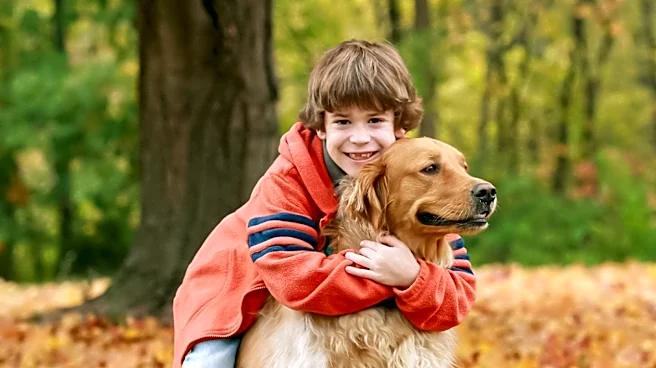
requirements for breeds such as the Nova Scotia Duck Tolling Retriever, American Water Spaniel, Boykin Spaniel, Chesapeake Bay Retriever, Golden Retriever, German Shorthaired Pointer, and Labrador Retriever. Each breed is discussed in terms of its origins, physical characteristics, and temperament that make it suitable for waterfowl hunting, including dense coats for insulation, strong swimming abilities, and a cooperative nature. The foundation stresses that while instinct is important, successful field performance also relies heavily on conditioning, obedience, steadiness, water confidence, and careful handling.
Why It's Important?
This information is significant for waterfowl hunters across the U.S. who rely on canine companions for successful retrieves and ethical hunting practices. The selection of an appropriate dog breed, coupled with rigorous training, directly impacts the efficiency and effectiveness of hunting expeditions, particularly in challenging aquatic conditions. A well-trained hunting dog not only aids in retrieving downed birds, minimizing loss, but also enhances the overall hunting experience. The emphasis on conditioning and obedience underscores the responsibility of dog owners to ensure their animals are physically and mentally prepared for the demanding tasks, promoting animal welfare alongside hunting success. This guide helps hunters make informed decisions, contributing to more humane and effective hunting practices.
What's Next?
Hunters considering a dog for waterfowl hunting are encouraged to carefully evaluate their specific needs, including the type of hunting, terrain, and weather conditions, to choose the most suitable breed. The World Animal Foundation advises that regardless of the breed, consistent physical conditioning, obedience training, water exposure, and gradual introduction to gunfire are crucial for developing a reliable hunting partner. Prospective owners should focus on training that builds endurance, ensures a reliable recall, and teaches controlled delivery of game. The article implicitly suggests ongoing training and responsible ownership as key factors for a dog's success and well-being in the field, advocating for a patient and structured approach to developing these specialized skills.
Beyond the Headlines
The discussion of specialized dog breeds for waterfowl hunting extends beyond mere utility, touching upon the deep historical and cultural bond between humans and working animals. These breeds have been selectively bred over generations to perform specific tasks, showcasing the remarkable adaptability and intelligence of dogs. The article subtly highlights the ethical considerations in hunting, where a well-trained dog contributes to minimizing suffering by efficiently retrieving game. Furthermore, the emphasis on training and conditioning reflects a broader understanding of animal welfare, recognizing that working dogs require specific care and preparation to thrive in their roles. This symbiotic relationship between hunter and dog is a testament to a long-standing tradition, evolving with modern insights into animal behavior and responsible ownership.