


What's Happening?
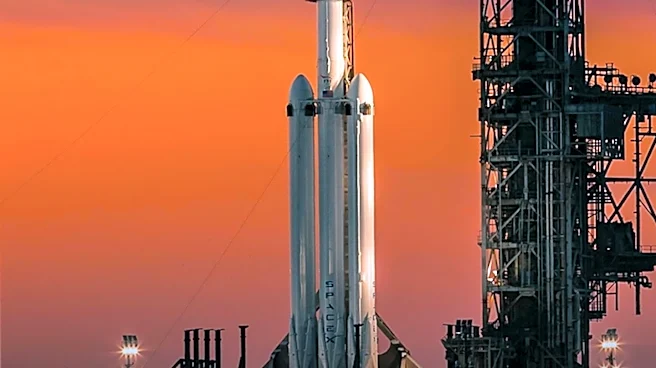
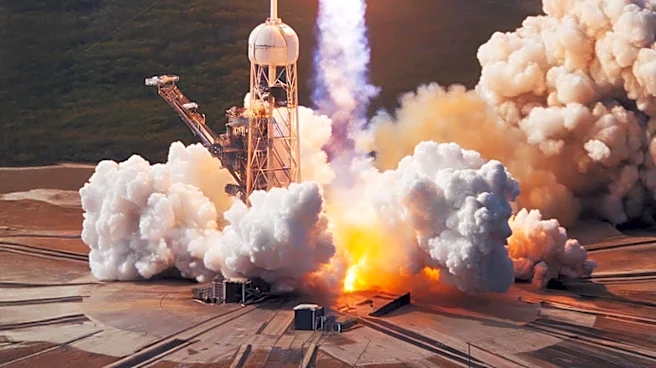
SpaceX, a major player in the space economy, has been at the forefront of transforming space technology with innovations such as reusable first-stage boosters. The company has significantly reduced launch costs, making space more accessible and affordable.
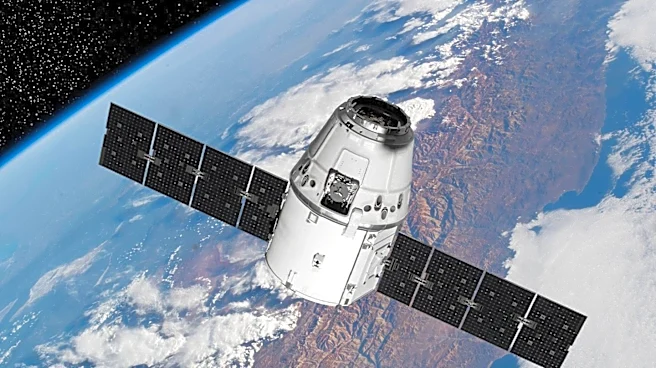
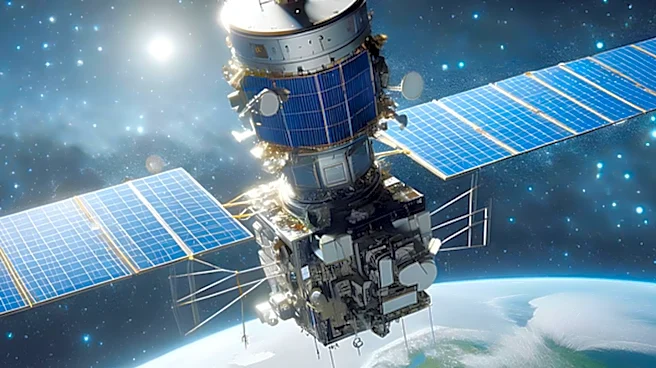
SpaceX's efforts have enabled the deployment of the Starlink satellite network, providing broadband services globally. Despite its achievements, SpaceX faces criticism for its high cash burn, with capital expenditures projected to reach $65 billion by 2027. CEO Elon Musk aims for a $100 billion annual revenue run rate by December 2026, with a potential $1 trillion revenue milestone by 2030.
Why It's Important?
SpaceX's advancements in space technology and its ambitious financial targets highlight the growing potential of the space economy. The company's ability to reduce launch costs and expand satellite networks has significant implications for global connectivity and technological innovation. However, the high cash burn and ambitious revenue targets present challenges that could impact investor confidence and market dynamics. The space economy's projected growth to $1.8 trillion by 2035 underscores the importance of strategic investments and partnerships in this sector.
What's Next?
As SpaceX continues to pursue its ambitious projects, including the expansion of the Starlink constellation and the development of orbital data centers, the company's financial performance and strategic decisions will be closely watched by investors and industry stakeholders. The success of these initiatives will play a crucial role in shaping the future of the space economy and determining SpaceX's position as a leader in the industry. The company's ability to achieve its revenue targets and manage cash flow will be key factors influencing its long-term growth and market impact.