




What's Happening?
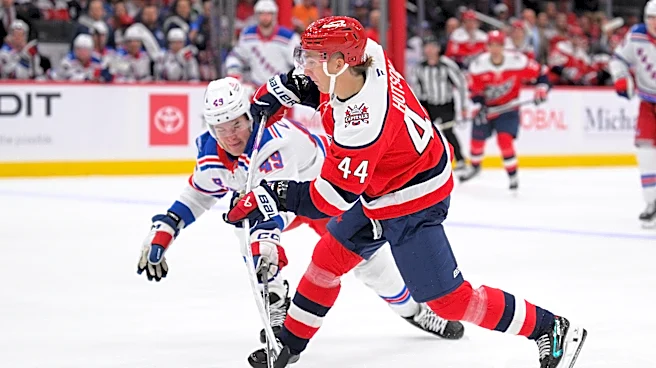
Washington Capitals forward Aliaksei Protas unexpectedly played a shift as a defenseman during a recent game against the Tampa Bay Lightning. This unusual deployment occurred in the second period after two Capitals defensemen, Matt Roy and Vincent Desharnais,
were unavailable due to injury and a fighting major, respectively. With only three regular defensemen remaining, head coach Spencer Carbery made the decision during a television timeout to temporarily move Protas to the blueline. Carbery explained that Protas was chosen due to his defensive mindset, penalty-killing experience, and strong backward skating ability. Protas, who typically plays as a center or left wing, described the experience as a 'pretty cool' and 'special' event in his career, noting the unique perspective of being the 'last guy' before the goaltender. He even played on the right side of the defensive pairing, adjusting to the unfamiliar role. Protas last played defense briefly during his U-17 days with Team Belarus.
Why It's Important?
This incident highlights the critical importance of player versatility and adaptability in professional sports, particularly in the fast-paced and unpredictable environment of the NHL. For the Washington Capitals, it demonstrates the coaching staff's strategic thinking and ability to make quick, effective adjustments under pressure to maintain competitive play despite unforeseen circumstances. It also underscores the depth and trust placed in players like Protas, who can step into unfamiliar roles when needed. This kind of flexibility can be a significant asset for teams, allowing them to navigate injuries and penalties without a complete breakdown in their system. From a player's perspective, it showcases the dedication and willingness to contribute in any capacity, potentially enhancing their value to the team and their career longevity. The event also provides an interesting case study for sports analysts and fans on how teams manage in-game crises and the unexpected demands placed on athletes.
What's Next?
While Protas's shift as a defenseman was an emergency measure, it could potentially influence future coaching decisions regarding player versatility. Although he is unlikely to permanently transition to defense, his demonstrated ability to adapt might make him a more valuable utility player in situations where defensive depth is compromised. Other NHL teams might take note of this successful improvisation and consider cross-training certain forwards for emergency defensive roles, especially with the league's emphasis on speed and skill. For Protas himself, this experience adds another dimension to his skill set and could boost his confidence in high-pressure situations. The Capitals will continue to monitor the health of their regular defensemen, but this event provides a blueprint for how they can manage similar challenges in the future, ensuring they remain competitive even when facing unexpected roster limitations.
Beyond the Headlines
Beyond the immediate tactical implications, Protas's emergency defensive shift speaks to the broader culture of professional sports, where athletes are often pushed to perform outside their comfort zones for the collective good of the team. It exemplifies the 'next man up' mentality and the importance of foundational skills, such as skating and defensive awareness, which can be transferable across positions. This event also subtly highlights the mental fortitude required of professional athletes; Protas's positive and ebullient recounting of the experience, despite its high-stakes nature, underscores the psychological resilience and adaptability that define elite performers. It serves as a reminder that while specialized roles are common, a fundamental understanding of the game and a willingness to embrace new challenges are invaluable traits that can lead to unexpected successes and memorable moments in a player's career.