










What's Happening?
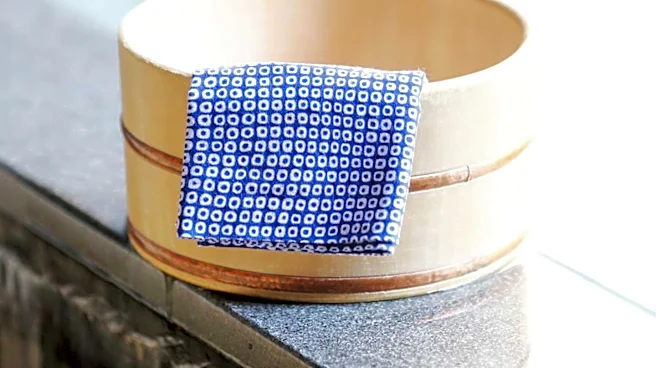
Japanese tenugui cloths, traditional hand towels made of yukata cotton, are gaining popularity for their versatility and aesthetic appeal. These cloths are known for their unique dyeing technique called chusen, which allows the pattern to be equally vibrant
on both sides. Tenugui cloths are used for various purposes, including as hand towels, napkins, and even fashion accessories. Their ability to become softer with each use and their cultural significance make them a cherished item in many households. The cloths are appreciated for their practicality and the beauty they bring to everyday life.
Why It's Important?
The growing interest in Japanese tenugui cloths reflects a broader trend towards appreciating traditional crafts and sustainable products. As consumers become more conscious of the environmental impact of their purchases, items like tenugui cloths offer an eco-friendly alternative to disposable products. Their durability and multifunctionality align with the values of minimalism and sustainability. Additionally, the cultural heritage and craftsmanship associated with tenugui cloths contribute to their appeal, offering consumers a connection to Japanese traditions. This trend highlights a shift in consumer preferences towards products that combine functionality, aesthetics, and cultural significance.