




What's Happening?
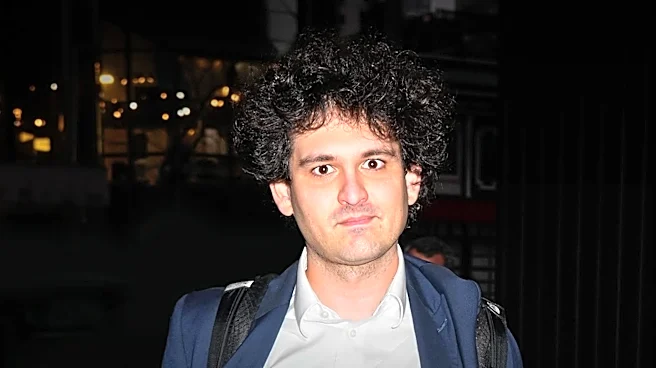
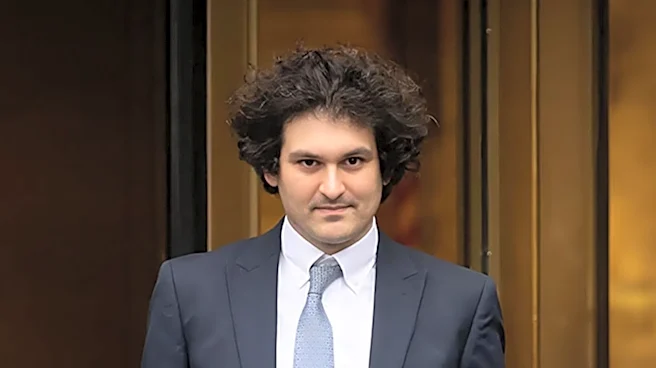
Amazon is set to release a three-part documentary titled 'The Boy Who Stole Billions?' on November 30, 2026, which will feature interviews with Sam Bankman-Fried conducted over nearly three years, including conversations from prison. Directed by Oscar-nominated
filmmaker Nanette Burstein, the documentary aims to explore Bankman-Fried's version of events surrounding the collapse of FTX. This production offers a direct counterpoint to Netflix's dramatized series, 'The Altruists,' which premiered on November 19, 2026. Burstein stated that her extensive interviews with Bankman-Fried and those close to him will provide a more complex picture than what headlines suggest. The documentary will delve into Bankman-Fried's childhood, his emotions, and his claims that a tweet from Binance founder Changpeng Zhao contributed to FTX's downfall. Bankman-Fried was convicted of seven criminal counts, including fraud and conspiracy, and sentenced to 25 years in prison for diverting billions of dollars of customer funds.
Why It's Important?
The Amazon documentary is significant because it provides a platform for Sam Bankman-Fried to present his narrative directly, potentially influencing public opinion and offering a different perspective on the FTX collapse. This contrasts sharply with Netflix's fictionalized account, which has drawn criticism for potential inaccuracies and dramatizations. By including interviews from prison, the documentary offers a rare glimpse into the mindset of a convicted financial figure and his attempts to defend his actions. The exploration of the 'effective altruism' philosophy, which influenced Bankman-Fried and FTX's inner circle, is also crucial. This philosophy, which prioritizes maximizing positive impact, is examined for how it might have been used to justify high-risk behaviors and ethical compromises. The documentary's release will likely intensify the ongoing debate about responsibility, ethics, and the financial implications of the FTX scandal, particularly concerning the recovery of funds for affected customers.
What's Next?
The release of 'The Boy Who Stole Billions?' on November 30, 2026, will undoubtedly spark further discussion and analysis of the FTX collapse. Viewers will have the opportunity to compare Bankman-Fried's personal account with the dramatized version from Netflix and the legal findings that led to his conviction. This dual media coverage will likely keep the FTX case in the public eye, potentially influencing future discussions on cryptocurrency regulation and corporate accountability. Bankman-Fried's ongoing appeal process, including his request for the Supreme Court to review his case, means that the legal ramifications of the FTX collapse are still unfolding. The documentary's portrayal of his arguments, such as his claim that FTX was illiquid rather than insolvent, could also resonate with some segments of the public, even if these arguments were rejected in court. The focus on the 'effective altruism' philosophy may also lead to broader societal conversations about the ethical boundaries of wealth accumulation and philanthropy.
Beyond the Headlines
The emergence of two major streaming productions offering different takes on the FTX scandal highlights the public's fascination with high-profile financial crimes and the complex interplay between media, public perception, and legal outcomes. The documentary's direct engagement with Bankman-Fried from prison raises ethical questions about providing a platform to convicted individuals, even as it aims for a comprehensive understanding of events. The contrasting narratives also underscore the challenge of presenting objective truth in complex financial cases, where personal motivations, philosophical beliefs, and market dynamics intertwine. The discussion around 'effective altruism' as a potential justification for risky or unethical behavior points to a broader societal concern about how individuals and organizations rationalize their actions in pursuit of perceived greater good. This case serves as a cautionary tale about the potential for philosophical ideals to be distorted or misused in the pursuit of wealth and influence, with significant real-world consequences for investors and the broader financial system.