






What's Happening?
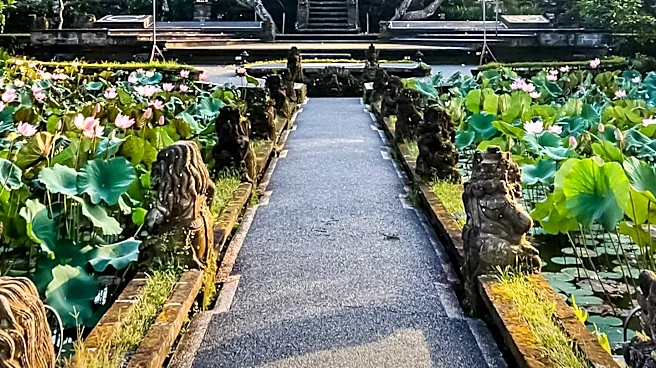
Ubud, Bali, is a popular destination offering a wide array of activities and accommodation choices for visitors. Key attractions include the Sacred Monkey Forest, Tegallalang Rice Terraces, and Tirta Empul Temple, known for its sacred purification pools.
For those seeking adventure, options such as the Ubud Swing, Zipline & SkyBike Rice Terrace Adventure, and the Mount Batur Sunrise Trek with a guide and breakfast are available. The area also features the Tegenungan Waterfall, Ubud Art Market for souvenirs, and coffee plantations where visitors can learn about local coffee production. Accommodations in Ubud range from highly-rated resorts like Alaya Resort Ubud and The Anvaya Beach Resort Bali to luxury options such as Ubud Nyuh Bali Resort & Spa. Many resorts, including Tanah Gajah, a Resort by Hadiprana, and Beehouse Dijiwa Ubud, are popular among families, while others like Komaneka at Monkey Forest Ubud and Adiwana Resort Jembawan are conveniently located near Ubud Market. Wellness sanctuaries like Ubud Aura Wellness Sanctuary also provide serene retreats.
Why It's Important?
The diverse offerings in Ubud, Bali, highlight its significance as a multifaceted tourist destination. The combination of cultural sites like temples and art markets, natural landscapes such as rice terraces and waterfalls, and adventure activities like ATV riding and white-water rafting caters to a broad spectrum of travelers. This variety supports a robust tourism economy, providing employment and business opportunities for local communities, from tour guides and resort staff to artisans and coffee producers. The availability of various accommodation types, from family-friendly resorts to luxury spas, ensures that Ubud can attract different market segments, contributing to sustained visitor numbers. The emphasis on cultural immersion and natural beauty also helps preserve local traditions and environments, fostering sustainable tourism practices. The region's appeal as a wellness destination further diversifies its tourism portfolio, attracting visitors interested in health and relaxation.
What's Next?
Ubud is expected to continue attracting a significant number of tourists due to its diverse appeal. Tour operators will likely continue to offer comprehensive day trips that combine cultural, natural, and adventure experiences, such as ATV riding and white-water rafting, to maximize visitor engagement. Resorts and wellness centers will likely maintain their focus on providing high-quality services and unique experiences, such as spa treatments and healthy dining options, to cater to discerning travelers. The ongoing development of new attractions and the enhancement of existing ones, alongside efforts to promote sustainable tourism, will be crucial for Ubud's continued growth. Local guides and businesses will continue to play a vital role in offering personalized experiences, sharing insights into Balinese culture, and ensuring visitor satisfaction. The region's tourism sector will also need to adapt to evolving traveler preferences, potentially by introducing more eco-friendly and community-based tourism initiatives.
Beyond the Headlines
Beyond its immediate economic impact, Ubud's sustained popularity as a tourist destination has deeper cultural and environmental implications. The influx of visitors brings both opportunities and challenges for preserving Bali's unique cultural heritage and natural environment. While tourism provides economic incentives for maintaining traditional arts, crafts, and religious sites, it also places pressure on local resources and infrastructure. The emphasis on wellness and spiritual retreats in Ubud reflects a growing global trend towards mindful travel, which could encourage more responsible tourism practices. However, balancing the demands of tourism with the need to protect sacred sites and natural ecosystems remains a critical ongoing challenge. The interaction between tourists and local communities also fosters cultural exchange, but it requires careful management to ensure that local traditions are respected and not commodified. The long-term sustainability of Ubud's tourism model will depend on effective policies that integrate economic development with cultural preservation and environmental stewardship.