




What's Happening?
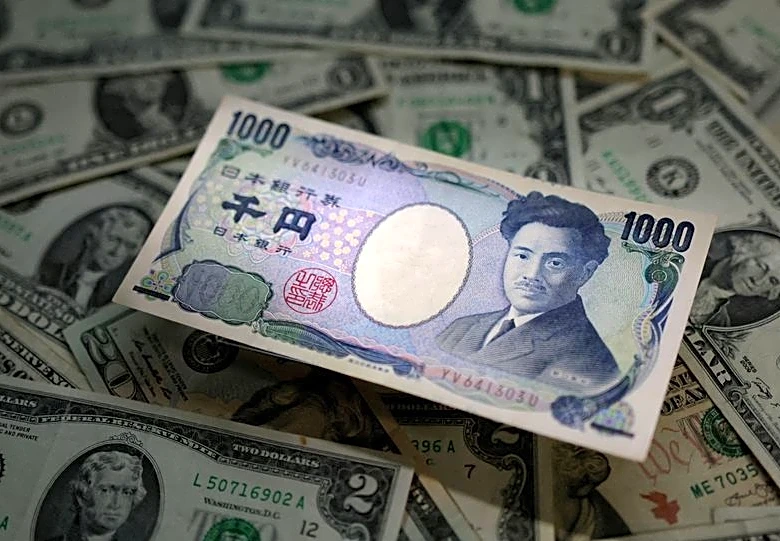
The New Development Bank (NDB), established in 2015 by Brazil, Russia, India, China, and South Africa, is actively working to expand local currency financing for its member states and emerging economies. This initiative aims to reduce reliance on the
U.S. dollar for trade transactions and development projects. Egypt, which officially joined the NDB in 2023, is among the nations seeking to leverage this approach to access more accessible financing terms and ease pressure on its greenback reserves. The NDB has approved 139 projects totaling approximately US$43 billion over a decade, providing an alternative source of finance. The bank's strategy for 2027–2031 emphasizes developing innovative financing instruments and boosting its role in the international financial architecture. This move is particularly significant for countries like Egypt, which trades heavily with major BRICS nations such as Russia and India, importing essential commodities like wheat and maize.
Why It's Important?
The NDB's focus on local currency financing has significant implications for the global financial landscape and U.S. economic influence. By enabling countries to borrow and conduct trade in their own currencies, the NDB directly challenges the U.S. dollar's dominance as the primary reserve and transaction currency. This shift can reduce transaction costs and mitigate exchange-rate risks for developing economies, which have historically faced challenges due to dollar fluctuations. For the U.S., a reduced reliance on the dollar by a growing bloc of nations could potentially diminish its leverage in international finance and trade. Countries like Egypt stand to gain by diversifying their financial options, lessening their vulnerability to U.S. monetary policy, and securing financing for infrastructure and sustainable development projects under potentially more favorable terms than those offered by traditional Western-led institutions. This initiative also fosters South-South cooperation, creating a more multipolar financial system.
What's Next?
The NDB is expected to continue implementing its strategy for 2027–2031, which includes further expanding local currency financing and attracting private capital into development projects. Member states, including Egypt, will likely explore more opportunities to settle trade transactions in local currencies and seek loans from the NDB for their development initiatives. This could lead to an increase in trade volumes among BRICS members and a reduction in the demand for U.S. dollars in these transactions. The ongoing efforts to reform the international financial architecture and develop innovative financing instruments will be a key focus. Additionally, the NDB's modest but growing scale suggests it will continue to serve as an important alternative financing option for countries seeking to diversify their financial partnerships and reduce dependence on established institutions.
Beyond the Headlines
The NDB's push for local currency financing extends beyond immediate economic benefits, touching upon deeper geopolitical and strategic implications. It represents a concerted effort by BRICS nations to create an alternative financial system that is less susceptible to the influence of Western economic policies and sanctions. This move could gradually erode the U.S. dollar's status as the global reserve currency, potentially leading to a more fragmented international financial system. Ethically, it raises questions about financial sovereignty and the right of nations to pursue development paths independent of traditional financial gatekeepers. Culturally, it signifies a growing confidence among emerging economies to shape global economic norms. The long-term shift could foster greater economic resilience in the Global South but also introduce new complexities and potential instabilities in global trade and finance as the world navigates a less dollar-centric environment.