






What's Happening?
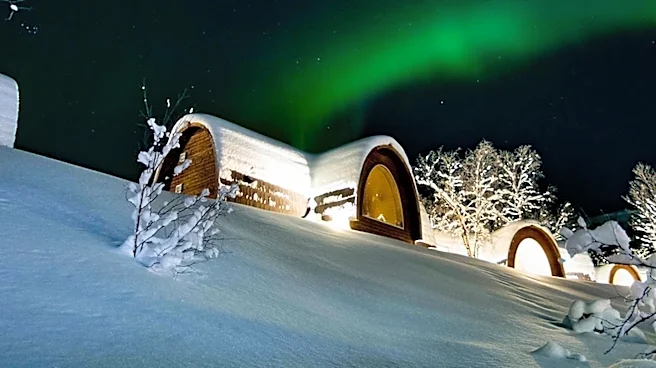
For those seeking a winter wonderland experience, Finnish Lapland is highlighted as an ideal destination for viewing the Northern Lights. The region offers snow-covered forests, cozy cabins, and the unique opportunity to watch auroras from glass-roofed
igloos. Northern Finland, situated beneath the auroral oval, provides excellent access to dark skies and Arctic wilderness in areas like Inari, Saariselkä, and Ivalo. Rovaniemi, known as the official hometown of Santa Claus, is also a popular choice, especially for families, though traveling away from city lights is recommended for optimal viewing. For Canadian travelers, Yellowknife in Canada is presented as an incredible aurora-viewing destination that negates the need for overseas travel. Located beneath the auroral oval, Yellowknife benefits from a relatively dry continental climate, offering numerous opportunities for clear skies compared to some coastal Arctic locations. The best times to visit are mid-August to late September and mid-November to early April, avoiding late October and early November when heavy cloud systems are more prevalent.
Why It's Important?
The increasing interest in specialized travel experiences, particularly those focused on natural phenomena like the Northern Lights, signifies a shift in the tourism industry. This trend allows destinations like Finnish Lapland and Yellowknife to attract a specific niche of travelers, boosting local economies through accommodation, guided tours, and related services. For U.S. travelers, Fairbanks, Alaska, is noted as a more convenient domestic option for aurora viewing, offering a similar experience without international travel. The emphasis on unique, experience-driven getaways reflects a broader consumer desire for personalized and memorable trips, moving beyond traditional destination-led itineraries. This also highlights the economic potential for regions that can offer distinct natural attractions and tailored travel packages, contributing to local job creation and infrastructure development in these often remote areas.
What's Next?
As demand for hobby-focused and experience-driven travel continues to grow, destinations like Finnish Lapland and Yellowknife are likely to further develop their tourism infrastructure to cater to aurora chasers. This could include expanding specialized accommodations, such as glass-roofed igloos, and increasing the availability of guided aurora tours and winter activities. Tour operators may also refine their offerings to provide multi-night packages that maximize the chances of aurora sightings, potentially incorporating flexible itineraries to chase clear skies. Marketing efforts will likely focus on the unique aspects of these locations, emphasizing the blend of natural beauty, cultural experiences, and the thrill of witnessing the Northern Lights. The travel industry will continue to adapt by offering more personalized options, moving towards experiences that foster shared passions and human connection among travelers.
Beyond the Headlines
The rise of specialized travel, such as aurora chasing, points to a deeper cultural shift where travelers prioritize unique experiences and personal enrichment over conventional sightseeing. This trend can have significant environmental implications, as increased tourism in sensitive Arctic regions necessitates careful management to preserve natural landscapes and wildlife. There's also an ethical dimension concerning the sustainability of such tourism, ensuring that local communities benefit without being overwhelmed and that the pristine environments remain protected. Furthermore, the pursuit of natural wonders like the Northern Lights can foster a greater appreciation for environmental conservation and climate awareness among travelers. The emphasis on shared experiences and connections also reflects a societal yearning for authentic interactions in an increasingly digital world, transforming travel into a means of building community and personal growth.