




What's Happening?
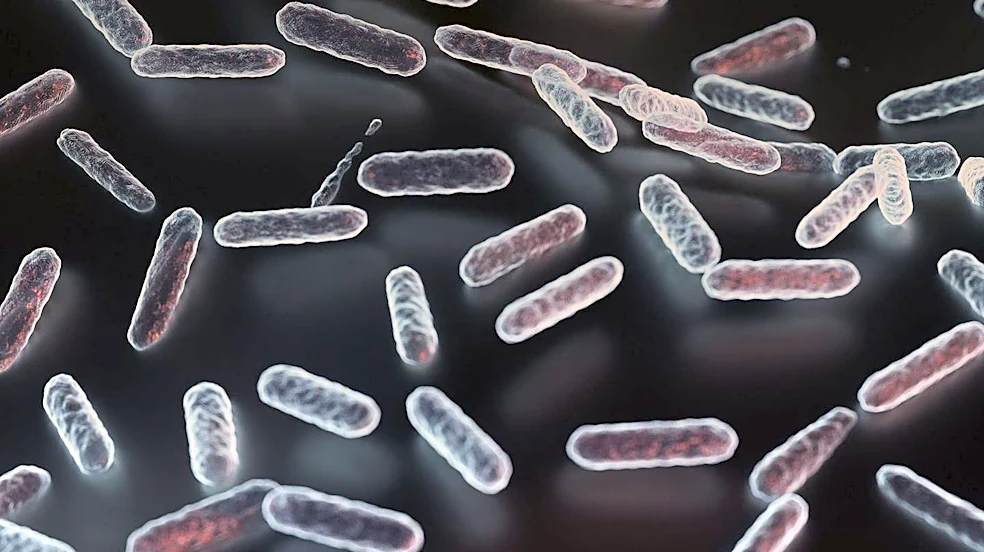
Fermented foods are products that undergo a natural process where microorganisms, such as bacteria and yeast, break down sugars and starches. This process alters the food's flavor, texture, and nutritional profile. While not all fermented foods are probiotics,
those that retain live beneficial bacteria can contribute to gut health. Common examples of fermented foods include kimchi, yogurt, kefir, kombucha, and pickles. These foods introduce live microorganisms that may support gut balance and digestive health. However, for a food to be classified as a probiotic, it must contain identified live microorganisms in adequate amounts and demonstrate a specific health benefit. For general gut health, incorporating both fiber-rich plant foods and fermented foods into the diet is recommended.
Why It's Important?
The increasing interest in fermented foods highlights a growing public awareness of gut health and its connection to overall well-being. The distinction between fermented foods and probiotics is crucial for consumers, as it helps them make informed dietary choices. While many fermented foods offer general health benefits, understanding that not all contain clinically proven probiotic strains prevents misconceptions and ensures consumers seek out products that align with their specific health goals. This trend also impacts the food industry, driving innovation in fermented product development and clearer labeling practices to differentiate between general fermented foods and those with specific probiotic claims. The emphasis on a balanced diet, including both fiber and fermented foods, underscores a holistic approach to health that could influence public health guidelines and nutritional recommendations.
What's Next?
As research into the human microbiome continues to advance, there will likely be further clarification on the specific health benefits of various fermented foods and their microbial components. This could lead to more precise dietary recommendations and the development of new fermented products with targeted health effects. Consumers can expect to see more detailed labeling on fermented food products, indicating the presence and strains of live microorganisms, if applicable, and their proven benefits. The scientific community will continue to investigate the mechanisms by which fermented foods impact gut health and overall physiology, potentially uncovering new therapeutic applications. This ongoing research will help refine the understanding of how to best incorporate fermented foods into a healthy diet for optimal outcomes.
Beyond the Headlines
The rise in popularity of fermented foods reflects a broader cultural shift towards natural and traditional food preparation methods, often rooted in ancient culinary practices. This movement extends beyond mere nutrition, touching upon aspects of food heritage, sustainability, and a desire for less processed options. The emphasis on gut health also highlights a deeper understanding of the body's interconnected systems, moving away from a reductionist view of health. Ethically, the marketing of fermented foods as 'probiotic' without sufficient scientific backing raises concerns about consumer deception, underscoring the need for rigorous scientific validation and transparent communication. This trend also encourages a re-evaluation of traditional diets and their potential benefits, fostering a renewed appreciation for diverse food cultures and their contributions to health.