







What's Happening?
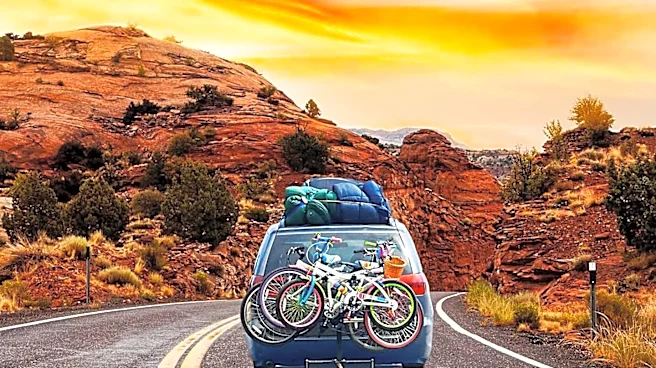
A comprehensive guide to planning U.S. road trips highlights popular routes, essential preparation steps, and budgeting advice. The Pacific Coast Highway from San Francisco to Los Angeles is noted as a highly scenic option, ideal for 5 to 7 days, covering
approximately 650 miles. Route 66, a classic 2,400-mile journey from Chicago to Santa Monica, is recommended for those seeking a trip through small-town America, requiring at least 10 days. Other notable routes include the Blue Ridge Parkway through the Appalachian Mountains and Utah's Mighty Five national parks loop. The guide emphasizes the importance of setting a daily driving limit, typically 4 to 5 hours, to ensure an enjoyable experience. It also advises booking initial and final accommodations, especially in national parks, well in advance. Budgeting for fuel, food, lodging, tolls, and unexpected costs is crucial, with food often being a surprisingly significant expense. Preparing the vehicle by checking tires, oil, and lights, and downloading offline maps, are also key recommendations for a smooth trip.
Why It's Important?
This detailed road trip planning information is important for American travelers as it provides practical strategies to maximize enjoyment and minimize stress on domestic journeys. By outlining popular routes with estimated durations and costs, it helps individuals and families make informed decisions about their travel plans. The emphasis on budgeting, particularly for food and accommodation, can help travelers avoid overspending and ensure financial comfort throughout their trip. Furthermore, advice on vehicle preparation and offline navigation enhances safety and reduces the likelihood of unexpected disruptions, which is crucial given the varying cell coverage in rural areas across the U.S. For the tourism and hospitality sectors, such guides can influence travel patterns, potentially boosting local economies along popular routes and in national parks. It also promotes domestic tourism, encouraging Americans to explore the diverse landscapes and cultural offerings within their own country.
What's Next?
Travelers planning U.S. road trips can utilize these guidelines to begin their itinerary development. The next steps involve selecting a route that aligns with their interests and available time, such as the Pacific Coast Highway for scenic coastal views or Route 66 for a historical journey. Following the budgeting advice, individuals will need to estimate costs for fuel, accommodation, and food, making reservations for critical lodging, especially in popular national parks. Vehicle owners should schedule maintenance checks, while renters will need to secure a suitable car. Downloading offline maps and preparing an emergency kit are also immediate actions. As more Americans consider road trips for leisure, the demand for detailed planning resources and related travel services, such as car rentals and roadside assistance, is likely to continue. Travel companies and local tourism boards may further develop resources and packages tailored to these popular routes, enhancing the overall road trip experience.
Beyond the Headlines
The resurgence and continued popularity of road trips in the U.S. reflect broader cultural and economic trends. In an era where air travel can be unpredictable and costly, road trips offer a sense of control, flexibility, and often a more budget-friendly alternative for family vacations. This mode of travel also fosters a deeper connection with the diverse American landscape and local communities, encouraging exploration beyond major urban centers. The emphasis on preparedness, from vehicle maintenance to offline navigation, highlights a growing self-reliance among travelers. Environmentally, while driving contributes to carbon emissions, road trips can also be planned to support sustainable tourism, particularly when travelers engage with local businesses and minimize their environmental footprint. The detailed planning advice also underscores a shift towards more experiential and personalized travel, where the journey itself is as valued as the destination, fostering a sense of adventure and discovery across the nation.