



What's Happening?
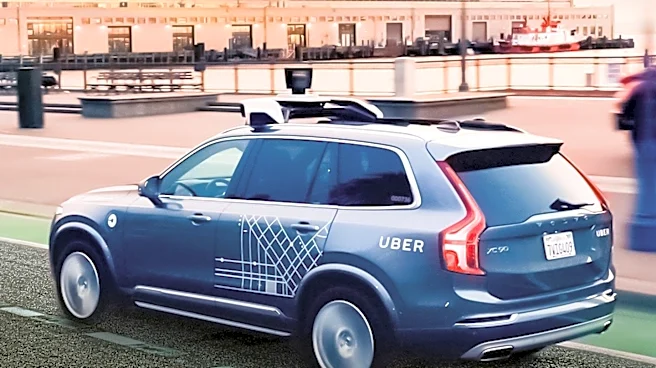
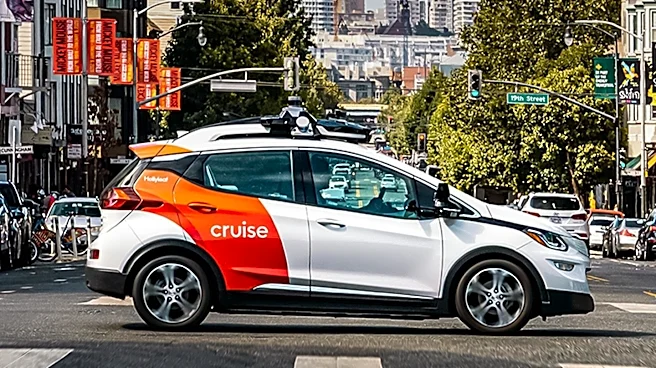
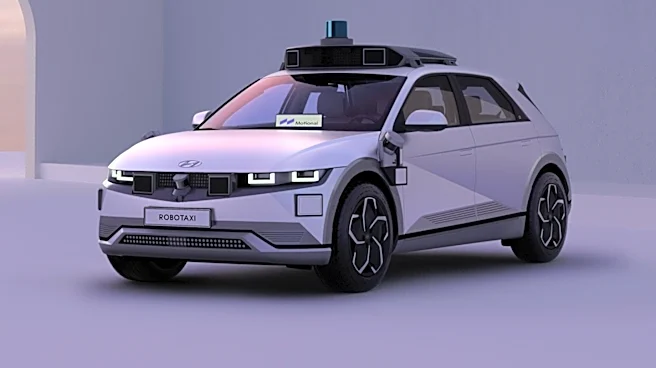
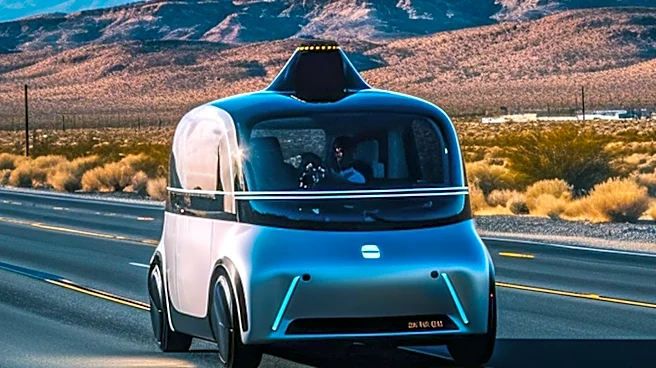
Uber Technologies, led by CEO Dara Khosrowshahi, has announced a significant investment of over $10 billion to deploy up to 120,000 autonomous vehicles through partnerships with various companies. This strategic move is part of Uber's plan to expand its
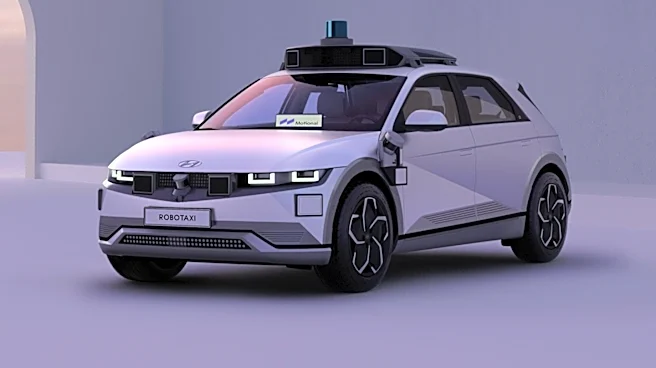
robotaxi operations to at least 15 cities by the end of the year, up from the current seven. Rather than developing its own self-driving technology, Uber aims to act as an aggregator for companies like Waymo, Wayve, Zoox, Nuro, Waabi, and WeRide. This approach allows Uber to focus on its core strength of managing the network and customer relationships while leveraging the technological advancements of its partners.
Why It's Important?
This investment marks a pivotal shift in Uber's strategy, emphasizing its role as a platform rather than a vehicle manufacturer. By partnering with multiple autonomous vehicle developers, Uber positions itself to capitalize on the growing demand for driverless transportation without the substantial costs and risks associated with developing its own technology. This move could significantly impact the ride-hailing industry, potentially reducing operational costs and increasing efficiency. However, it also introduces challenges, such as regulatory hurdles and the need to maintain competitive partnerships. The success of this strategy could redefine Uber's market position and influence the broader adoption of autonomous vehicles.
What's Next?
Uber plans to expand its robotaxi operations to 15 cities by the end of the year, with a long-term goal of reaching 28 cities by 2028. The company will continue to monitor and adapt to the competitive landscape, as more players enter the autonomous vehicle market. Uber's ability to maintain strong partnerships and navigate regulatory environments will be crucial to its success. Additionally, the company will need to address potential challenges related to customer acceptance and safety standards for autonomous vehicles.