






What's Happening?
The new DC series 'Lanterns' is taking an unconventional approach by prioritizing compelling narratives over strict adherence to established comic book canon. This strategy, influenced by writer Tom King's previous works, aims to make the characters and
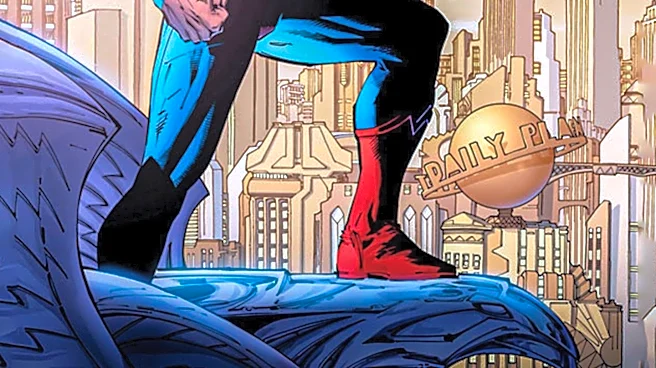
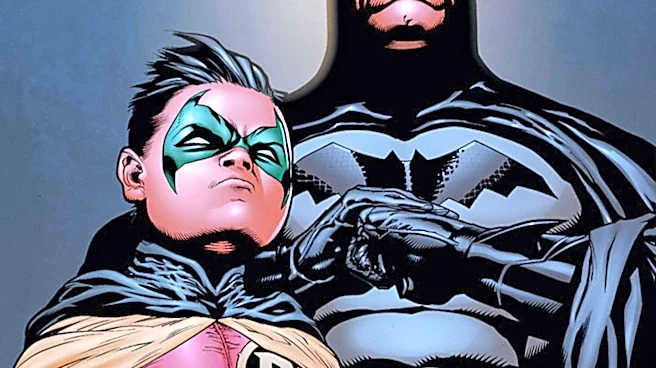
stories more accessible to a wider audience. King, known for his audacious storytelling that often reinterprets existing characters and timelines, has previously sparked controversy among fans for altering beloved figures like Hal Jordan, Wally West, and Batman. Despite fan reactions to his past deviations from canon, King's method has also garnered respect for its focus on strong narrative hooks. 'Lanterns' is positioned as a significant part of the new DC Universe (DCU), potentially introducing key characters like John Stewart and exploring foundational elements of the universe, including the origin of evil. The series airs new episodes on HBO and HBO Max.
Why It's Important?
This shift in storytelling philosophy for 'Lanterns' is important for the broader entertainment industry, particularly within the superhero genre. By moving away from rigid canonical adherence, DC and HBO are attempting to attract new viewers who might be intimidated by decades of complex comic book lore. This approach could set a precedent for future adaptations, allowing creators more freedom to craft engaging stories without being constrained by every detail of the source material. For existing fans, it represents a potential trade-off: while some may appreciate fresh interpretations and accessibility, others might feel alienated by changes to established characterizations and storylines. The success of 'Lanterns' could influence how other major franchises balance fan expectations with the need for creative freedom and broader appeal, potentially impacting viewership numbers and the financial viability of future DCU projects.
What's Next?
The ongoing reception to 'Lanterns' will likely dictate the future direction of storytelling within the DCU. If the series successfully attracts a new audience and maintains critical acclaim despite its non-canonical approach, it could encourage James Gunn and other DCU architects to continue prioritizing narrative innovation over strict comic book accuracy. Conversely, significant backlash from core fans could prompt a re-evaluation of this strategy for subsequent DCU projects. The introduction of John Stewart in 'Lanterns' and his anticipated appearance in the upcoming 'Man of Tomorrow' suggests a deliberate effort to integrate the series into the wider DCU narrative, making its success crucial for establishing foundational elements of this new cinematic universe. Future episodes will reveal how well this balance between creative freedom and fan expectations is managed.
Beyond the Headlines
The 'Lanterns' approach highlights a recurring tension in adapting beloved intellectual properties: the balance between honoring source material and creating new, accessible narratives. This debate extends beyond superhero franchises, touching on ethical considerations of creative license versus fan ownership. The decision to 'ignore canon' for a 'good story' raises questions about the long-term impact on character integrity and the potential for alienating a dedicated fanbase. If successful, 'Lanterns' could redefine what constitutes a 'faithful' adaptation, suggesting that thematic resonance and compelling storytelling might be more important than strict adherence to every detail. This could lead to a cultural shift where adaptations are increasingly judged on their standalone artistic merit rather than their fidelity to the original text, potentially fostering more experimental and diverse interpretations across various media.