


What's Happening?
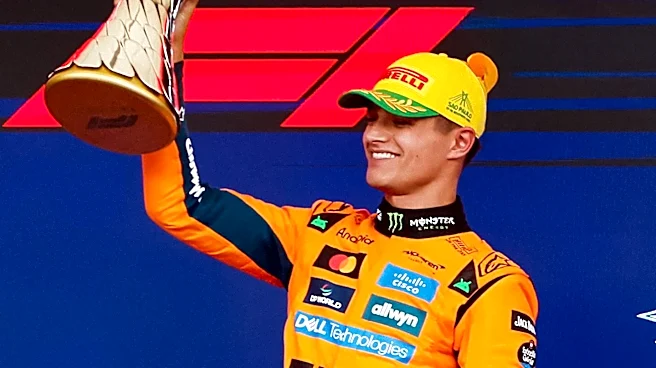
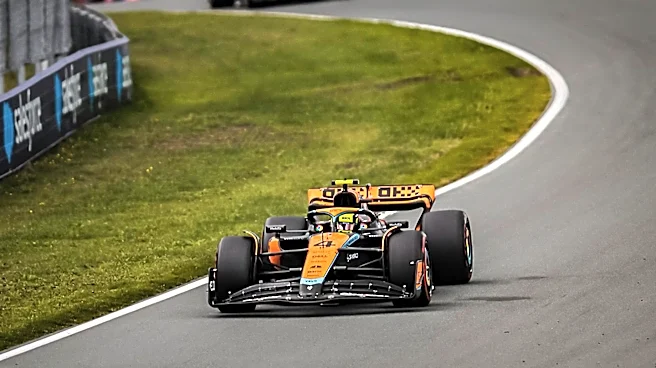
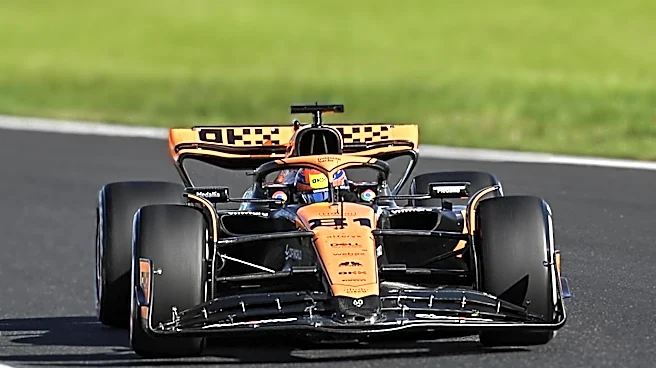
McLaren Racing successfully defended its Constructors' Championship in 2025, with Lando Norris securing the Drivers' Championship, marking the team's first driver's title since Lewis Hamilton in 2008. This achievement came after a close battle with Max
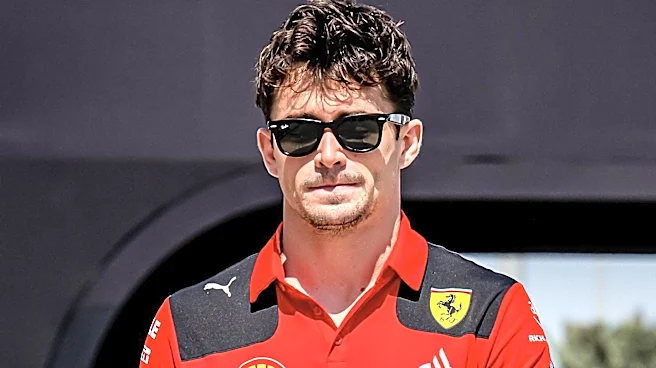
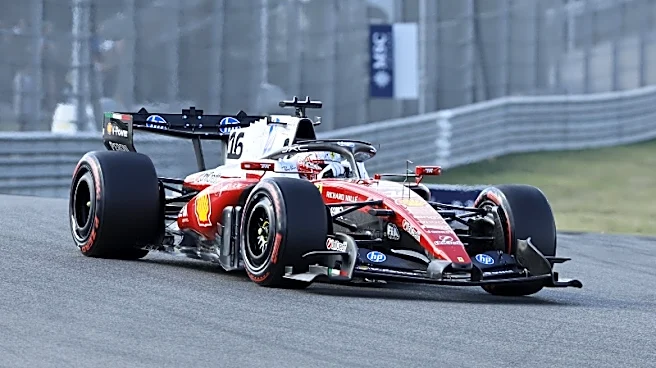
Verstappen, which Norris won by just two points. To secure these titles, McLaren made a strategic decision to divert resources and attention away from the development of their 2026 car, which will operate under new chassis and power unit regulations. Norris explained that winning across eras with significant regulation changes was an 'impossible dream,' and the team prioritized the 2025 championship, even if it meant compromising their 2026 season preparations. This approach contrasts with teams like Mercedes and Ferrari, who, not being in the championship fight, were able to focus on their 2026 projects earlier.
Why It's Important?
This strategic trade-off by McLaren highlights the intense competitive pressures and resource allocation challenges within Formula 1, particularly during periods of significant regulatory change. By prioritizing a current championship, McLaren secured immediate glory and reinforced its standing as a top-tier team. However, this decision could have long-term implications for their competitiveness in the 2026 season and beyond. Teams that focused on 2026 development earlier, such as Mercedes and Ferrari, might gain a significant advantage under the new regulations. This scenario could lead to a shift in the competitive landscape of Formula 1, potentially impacting team sponsorships, driver market dynamics, and the overall fan engagement as new contenders emerge or established teams struggle to adapt. The success of this gamble will be closely watched by other racing organizations and could influence future strategic decisions across the sport.
What's Next?
The immediate consequence for McLaren will be the challenge of adapting to the 2026 regulations with potentially less development time compared to their rivals. The team will need to rapidly catch up on design and engineering for the new chassis and power units. The performance of McLaren in 2026 will be a critical indicator of whether their 2025 championship trade-off was a sustainable strategy or a short-term gain with long-term costs. Other teams will be observing McLaren's trajectory closely, especially those who opted for early 2026 development. The upcoming season will reveal if the sacrifice of 2026 preparations was a calculated risk that pays off in the long run through sustained momentum and team morale, or if it leads to a temporary dip in performance as they play catch-up.
Beyond the Headlines
McLaren's decision to prioritize a current championship over future development in the face of major regulatory changes raises broader questions about the balance between immediate success and long-term strategic planning in highly competitive, technology-driven sports. This approach can be seen as a high-stakes gamble, reflecting the immense pressure on teams to deliver results. Ethically, it prompts consideration of whether such short-term focus could lead to a cyclical pattern of dominance and decline, as teams constantly reallocate resources. Legally, the regulations are designed to create a level playing field, but strategic interpretations and resource deployment can still create significant disparities. Culturally, it reinforces the 'win now' mentality prevalent in elite sports, potentially influencing how other teams approach similar dilemmas in the future and shaping the narrative around what constitutes true success in Formula 1.