









What's Happening?
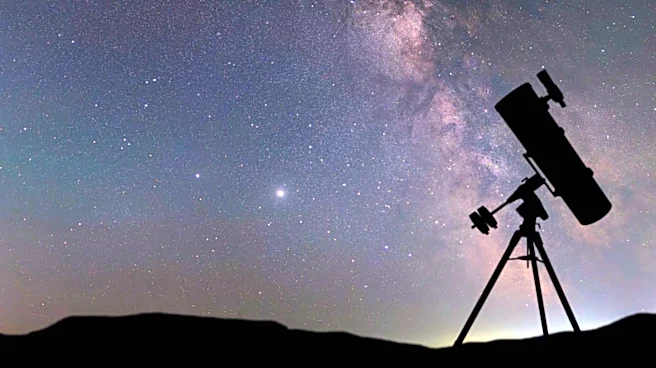
Astro tourism, a niche travel trend focused on stargazing, is gaining traction as light pollution continues to spread globally. This form of tourism involves traveling to remote locations with minimal artificial light to observe celestial phenomena such
as stars, planets, and meteor showers. The trend is driven by the increasing scarcity of dark skies, as light pollution grows by approximately 10% annually. Popular destinations for astro tourism include certified Dark Sky Parks and remote areas like deserts and mountain observatories. In North America, places like Big Bend in Texas and Cherry Springs State Park in Pennsylvania are renowned for their dark skies. The practice is not limited to the U.S.; Europe, Asia, and Africa also offer notable stargazing sites. The Bortle Scale, which rates sky darkness, is a key tool for astro tourists, with many destinations boasting Bortle Class 1 or 2 skies, indicating minimal light pollution.
Why It's Important?
The rise of astro tourism highlights a growing awareness of light pollution and its impact on natural environments. As urban areas expand, the availability of truly dark skies diminishes, making them a rare and sought-after experience. This trend not only promotes environmental awareness but also supports local economies in remote areas by attracting tourists. Astro tourism combines elements of adventure, wellness, and education, offering travelers a unique way to connect with nature. It also underscores the importance of preserving natural nightscapes, which are crucial for both ecological balance and cultural heritage. The trend may encourage more regions to implement light pollution controls, benefiting both local wildlife and human health.
What's Next?
As astro tourism continues to grow, more destinations may seek certification as Dark Sky Parks or Reserves to attract tourists. This could lead to increased investment in infrastructure and services tailored to stargazers, such as guided tours and observatory facilities. Additionally, the trend may inspire further research into the effects of light pollution and drive policy changes aimed at reducing its impact. The tourism industry might also see a rise in eco-friendly travel options, as travelers seek sustainable ways to explore these pristine environments. The ongoing interest in astro tourism could foster a broader cultural appreciation for the night sky and its preservation.
Beyond the Headlines
Astro tourism's growth reflects a broader societal shift towards experiential travel, where individuals seek meaningful and immersive experiences rather than traditional sightseeing. This trend aligns with increasing interest in wellness and mindfulness practices, as stargazing offers a meditative escape from the fast-paced modern world. The practice also raises ethical considerations regarding the impact of tourism on remote communities and ecosystems. Ensuring that astro tourism is conducted sustainably will be crucial to preserving the very environments that attract visitors. As awareness of light pollution grows, there may be increased advocacy for policies that protect dark skies globally.