





What's Happening?
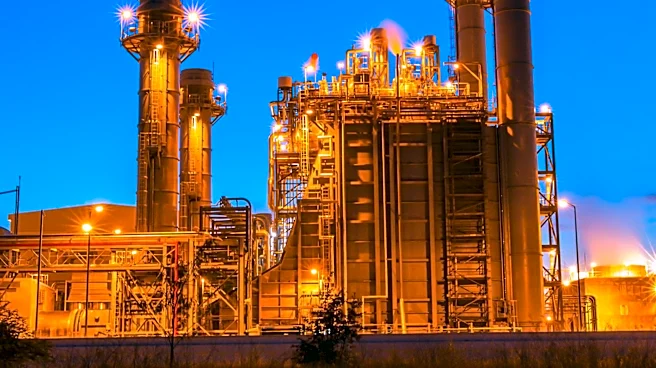
Aclara Resources and CAP have inaugurated a demonstration plant in Talcahuano, Chile, through their 50/50 joint venture, Aclara Metals. This facility is designed to advance the technology for producing rare earth metals and alloys, specifically converting
neodymium and praseodymium oxides into metals using molten salt electrolysis. The plant aims for a nominal output of up to 175kg of rare earth metal per day with a minimum purity of 99.5%. Aclara CRO Ramón Barúa stated that this plant is a significant step in developing an integrated rare earth supply chain, complementing their existing pilot plants in Chile, Brazil, and a separation pilot plant in Virginia, U.S. The project's first phase focuses on neodymium and praseodymium, with a potential second phase to include dysprosium oxide for alloy creation.
Why It's Important?
The launch of the Aclara Metals demonstration plant in Chile is critically important for the U.S. as it directly contributes to strengthening and diversifying the rare earth supply chain. Rare earth metals are essential components for numerous high-tech industries, including electromobility, robotics, and wind power, all of which are vital for U.S. economic growth and national security. By integrating this Chilean facility with a separation pilot plant in Virginia, U.S., Aclara is building an end-to-end technology and production platform that reduces U.S. reliance on a single source for these critical materials. This strategic move enhances supply chain resilience, mitigates geopolitical risks, and supports the growth of U.S. manufacturing sectors that depend on rare earth magnets. The operational data from this plant will also inform the basic engineering for a prospective industrial facility in Louisiana, U.S., further solidifying domestic rare earth processing capabilities.
What's Next?
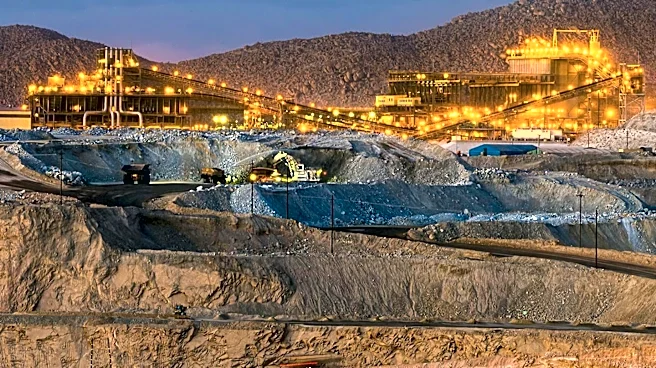
Aclara Metals plans to conduct a series of production campaigns at the demonstration plant to test its capability for stable and continuous industrial operation. The operational data collected will be crucial for informing the basic engineering of a prospective industrial facility in Louisiana, U.S., and for developing predictive digital models for process optimization. The joint venture will also consider a second phase for the plant, potentially introducing dysprosium oxide to create a neodymium, praseodymium, and dysprosium alloy. This ongoing development aims to establish a comprehensive rare earth value chain, starting from extraction at Chile's Penco Module. The success of these initiatives will be pivotal in securing a stable and diversified supply of rare earth metals for U.S. industries, potentially leading to further investments in domestic processing and manufacturing capabilities.
Beyond the Headlines
Beyond the immediate economic and strategic implications, the development of an integrated rare earth supply chain, with a significant U.S. component, addresses broader environmental and geopolitical concerns. The traditional rare earth mining and processing methods have often been associated with significant environmental impacts. Aclara's focus on advanced technologies and a comprehensive value chain could lead to more sustainable and environmentally responsible practices. Geopolitically, reducing dependence on a single dominant supplier for rare earths enhances the U.S.'s strategic autonomy and reduces vulnerability to supply disruptions. This initiative also highlights the increasing global competition for critical minerals and the importance of international partnerships in securing these resources. The long-term success of such ventures could reshape global trade dynamics for rare earths and influence future policies on resource security and industrial development.