




What's Happening?
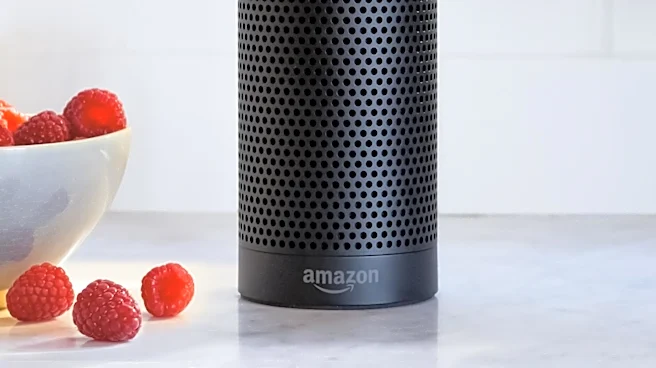
Amazon has launched the Echo Time, a new smart alarm device priced at $199.99, which incorporates Amazon's Omnisense technology for advanced sleep tracking. This technology utilizes temperature sensors and presence detection to learn user routines and estimate
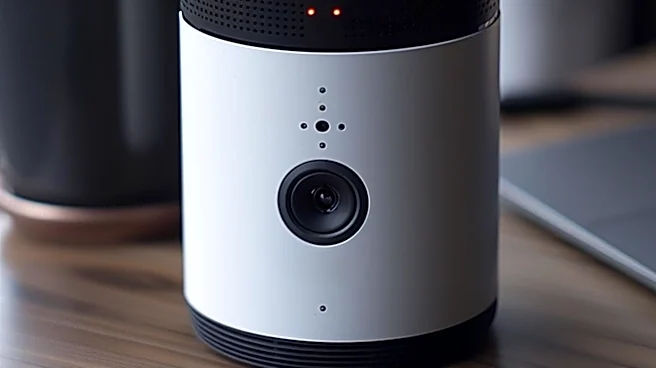
sleep stages by monitoring breathing and subtle movements. The device aims to wake users during lighter sleep phases, up to an hour before a set alarm. Beyond sleep tracking, the Echo Time offers comprehensive smart features, including Alexa+ voice assistance, weather updates, smart-home control capabilities, and reminders. It also functions as a Zigbee, Thread, and Matter hub, allowing integration with other smart home devices like bedroom lights. The Echo Time features a circular touchscreen with various clock-face options and includes privacy features such as a privacy button to cut microphones and the absence of a camera.
Why It's Important?
The introduction of the Amazon Echo Time signifies Amazon's continued expansion into the health and wellness technology market, specifically targeting sleep improvement without requiring wearable devices. By integrating advanced, contactless sleep tracking with its established Alexa ecosystem, Amazon aims to capture a segment of consumers seeking convenience and comprehensive smart home integration. This device could influence the smart alarm and sleep tech market by offering a competitive alternative to existing solutions like the Hatch Sleep Clock, which focuses more on sleep habit building. For consumers, it provides an all-in-one device that combines sleep insights with daily productivity tools, potentially streamlining their morning routines and smart home management. The device's role as a smart home hub further solidifies Amazon's position in the connected home ecosystem, encouraging users to centralize their smart device control through Alexa.
What's Next?
The Amazon Echo Time is expected to compete directly with other sleep-focused smart alarms, potentially driving innovation in contactless sleep tracking and smart home integration. Future developments might include more detailed sleep reports or personalized recommendations, which are currently less emphasized compared to competitors. Amazon may also further integrate Omnisense technology into other devices or expand its capabilities to offer more health-related insights. The success of the Echo Time could lead to increased adoption of Amazon's smart home ecosystem, as users leverage its hub capabilities. Consumers will likely evaluate the device's effectiveness in improving sleep quality and its seamless integration with their existing smart home setups, influencing future purchasing decisions and market trends in smart sleep technology.
Beyond the Headlines
The Amazon Echo Time's reliance on Omnisense technology for sleep tracking raises broader discussions about data privacy and the collection of personal health information by tech companies. While Amazon highlights privacy features like a microphone cut-off button, the continuous monitoring of breathing and movement for sleep analysis contributes to a growing dataset of intimate user information. This trend towards ambient intelligence, where devices passively collect data to enhance user experience, prompts questions about data security, consent, and the potential for this data to be used beyond its stated purpose. As smart devices become more integrated into personal health, the ethical implications of data ownership and the responsibilities of tech companies in safeguarding sensitive information will become increasingly critical considerations for consumers and regulators alike.