


What's Happening?
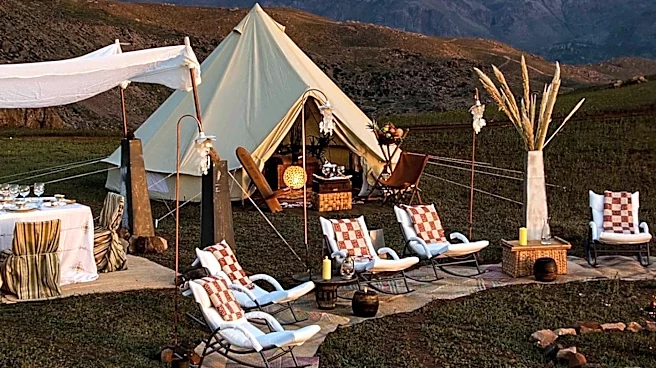
Eco-glamping is emerging as a travel trend that merges luxurious lodging with environmentally conscious practices. This approach offers amenities such as sun decks, picnic areas, and scenic views of natural surroundings, providing a comfortable yet eco-friendly
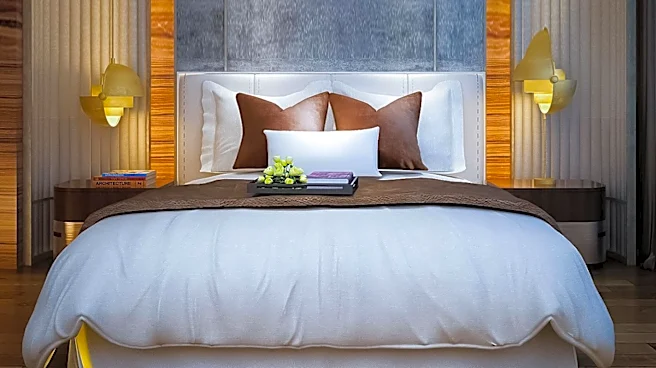
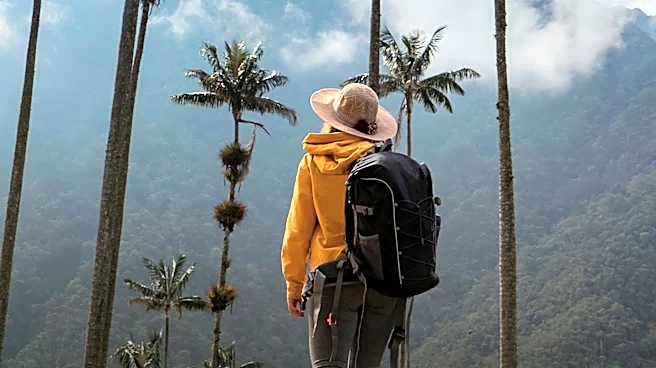
alternative to traditional camping. The concept aims to minimize environmental impact while still allowing guests to enjoy modern conveniences. Examples include the Zoi Eco Hotel Y Glamping in Manizales, which is situated near various natural attractions, and Unalome Glamping in Spain, which emphasizes sustainable stays and pet-friendly options. Bundokin's collaboration with Big Dipper Ranch further illustrates how glamping can serve as an accessible introduction to outdoor living, fostering exploration and a deeper connection with nature. These establishments often feature well-appointed rooms, sometimes with flat-screen TVs and minibars, ensuring a high level of comfort for guests.
Why It's Important?
The rise of eco-glamping is significant for the U.S. tourism and hospitality industries as it caters to a growing consumer demand for sustainable travel options. This trend allows businesses to attract a broader demographic, including those who desire outdoor experiences but prefer the comforts of a hotel. By offering luxury accommodations with a reduced environmental footprint, eco-glamping can boost local economies in scenic areas, creating jobs and supporting local businesses. It also promotes responsible tourism, encouraging travelers to engage with nature respectfully and minimize their ecological impact. For consumers, it provides an opportunity to enjoy the outdoors without sacrificing comfort, potentially increasing participation in nature-based activities. The emphasis on sustainability can also drive innovation in eco-friendly construction and operational practices within the hospitality sector.
What's Next?
The eco-glamping sector is likely to see continued expansion and diversification in the U.S. as more travelers seek unique and sustainable experiences. We can anticipate an increase in the development of new eco-glamping sites, potentially in partnership with national parks or private land owners, offering a wider range of amenities and locations. There may also be a greater focus on integrating advanced sustainable technologies, such as solar power, water conservation systems, and waste reduction programs, to further enhance the eco-friendly credentials of these establishments. Additionally, marketing efforts will likely highlight the unique blend of luxury and nature, appealing to both adventure seekers and those looking for a tranquil escape. The industry could also see the emergence of specialized eco-glamping experiences, such as wellness retreats or educational programs focused on environmental conservation.
Beyond the Headlines
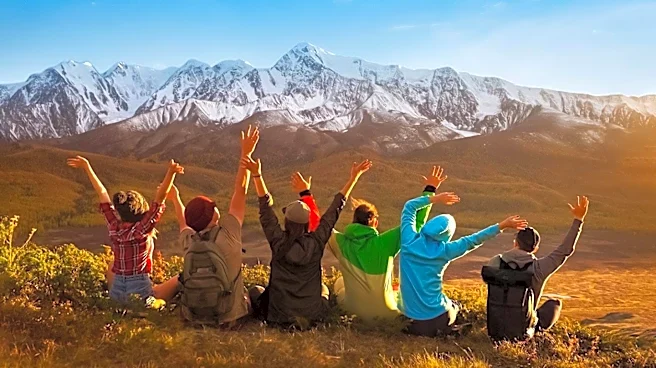
Beyond its immediate appeal, eco-glamping reflects a broader cultural shift towards conscious consumption and experiential travel. It challenges the traditional dichotomy between rugged outdoor adventure and luxurious comfort, demonstrating that these two aspects can coexist harmoniously. This trend could influence urban planning and architectural design, inspiring more sustainable and nature-integrated living spaces. Ethically, eco-glamping encourages a deeper appreciation for natural environments and promotes responsible stewardship of resources, potentially fostering a more environmentally aware populace. The legal implications might include the development of new zoning laws or environmental regulations specifically tailored to glamping sites, ensuring their operations align with conservation goals. Culturally, it redefines 'camping' for a new generation, making outdoor experiences more accessible and appealing to a wider audience, thereby strengthening the connection between people and nature.