






What's Happening?
At SupplySide Global 2026, experts from the ingredient supply industry discussed the challenges of building resilient supply chains in the face of changing climate conditions. A certifier of wild-harvested ingredients and an organic ingredient supplier
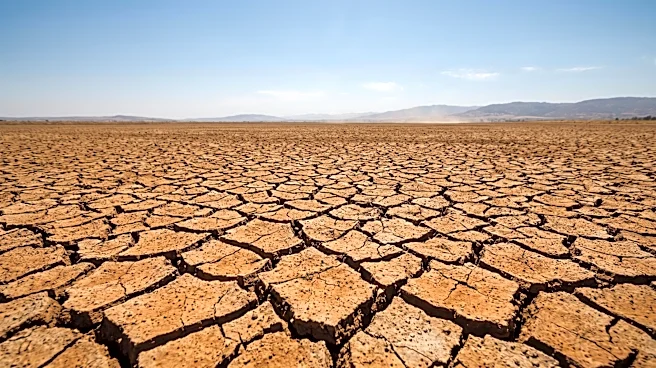
highlighted issues such as drought, yield loss, and the need for new partnership models. Many ingredients are wild-harvested, relying on biodiversity, which is vulnerable to extreme weather events like drought and major flooding. Cultivated supply chains are also affected by early blooms, late frosts, heavy rain, and drought, leading to reduced yields and predictability. Manufacturers face increased demand for organic, clean-label, and functional products while contending with climate, geopolitical, and fuel-cost risks, which can result in missed launches, quality issues, and higher spot-purchasing prices.
Why It's Important?
The discussion at SupplySide Global 2026 underscores the growing vulnerability of U.S. food and supplement industries to global climate change. Disruptions in ingredient supply chains, whether from wild-harvested or cultivated sources, directly impact product availability, quality, and cost for consumers. The emphasis on moving away from transactional purchasing towards strategic partnerships with volume commitments and technical services is crucial for ensuring long-term supply stability. For U.S. manufacturers, this means re-evaluating sourcing strategies, investing in supplier relationships, and potentially engaging in development finance to support sustainable practices upstream. Failure to adapt could lead to significant business risks, including supply shortages, increased operational costs, and damage to brand reputation.
What's Next?
Ingredient suppliers recommend that manufacturers map their ingredients and supply chains to identify concentrations of climate, geopolitical, and tariff risks. Qualifying backup origins and varieties, and partnering upstream on key ingredients, are critical next steps. While not every consumer packaged goods (CPG) brand can build a financing arm, working with partners that offer such support is advised. The shift towards strategic supply ecosystems, involving asset ownership, investment, and committed volumes, is expected to become more prevalent. This proactive approach aims to mitigate the impact of climate-related disruptions and ensure the availability of essential ingredients, moving away from purely transactional buying which increases the risk of ingredient unavailability.
Beyond the Headlines
The challenges discussed extend beyond immediate supply chain logistics, touching upon broader ethical and environmental considerations. The reliance on wild-harvested ingredients highlights the importance of biodiversity and the livelihoods of communities dependent on these resources. The call for partnership models, including those involving NGOs and development banks, reflects a growing recognition of shared responsibility in addressing climate change impacts. This integrated approach, which combines business strategy with sustainability goals, suggests a long-term shift towards more ethical and environmentally conscious sourcing practices. It also implies that consumers' increasing interest in product origins and sustainability stories will continue to influence purchasing decisions, pushing manufacturers to adopt more transparent and responsible supply chain practices.