






What's Happening?
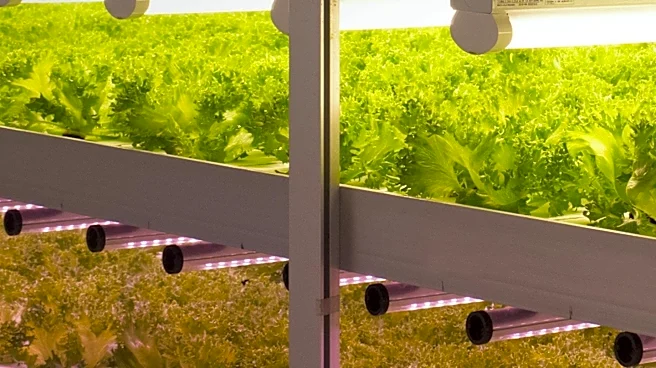
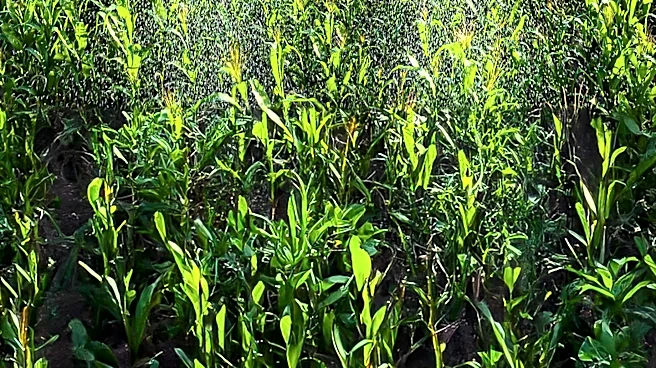
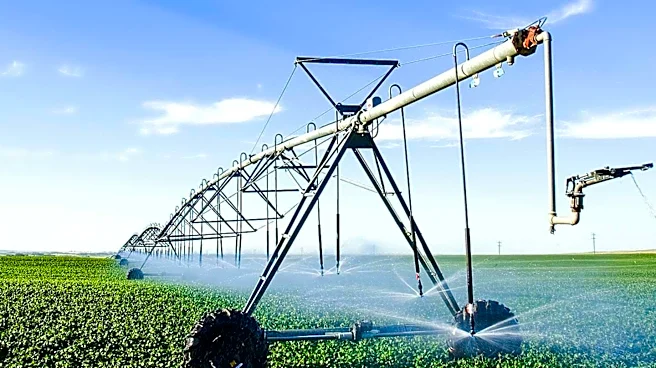
Modern farming technologies are transforming agriculture by integrating software, automation, artificial intelligence, robotics, sensors, and data to optimize growing conditions and increase efficiency. The agriculture industry is facing challenges such
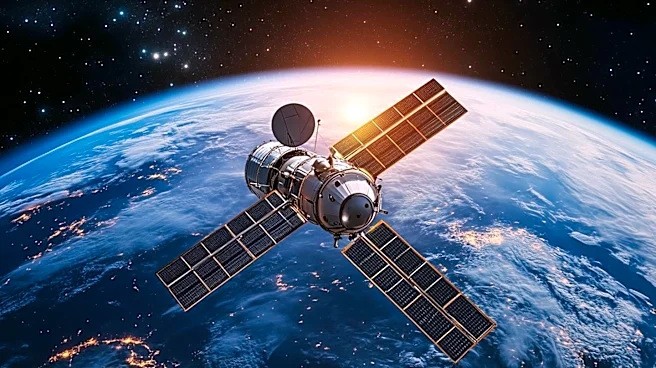
as climate change, labor shortages, rising costs, and unpredictable supply chains, prompting a shift towards intelligent farming systems. These technologies are becoming increasingly connected, automated, and data-driven, allowing farms to continuously collect data, predict problems, and optimize growing conditions. This shift represents one of the biggest advancements in farming in decades.
Why It's Important?
The integration of modern technologies in farming is crucial for addressing the growing challenges faced by the agriculture industry. By making farms more efficient and resilient, these technologies help ensure food security and sustainability. The ability to produce more food with fewer resources is vital as the global population continues to grow and climate change impacts traditional farming methods. This technological shift not only supports the agriculture sector but also has broader implications for economic stability and environmental conservation.
What's Next?
As modern farming technologies continue to evolve, farms are expected to become even smarter and more autonomous. The next generation of farming technology will focus on predicting problems, automating decisions, and optimizing production with greater precision. This will lead to more efficient, resilient, and sustainable commercial farming practices. The ongoing development and integration of these technologies will be key to meeting future agricultural demands and ensuring long-term growth in the sector.