



What's Happening?
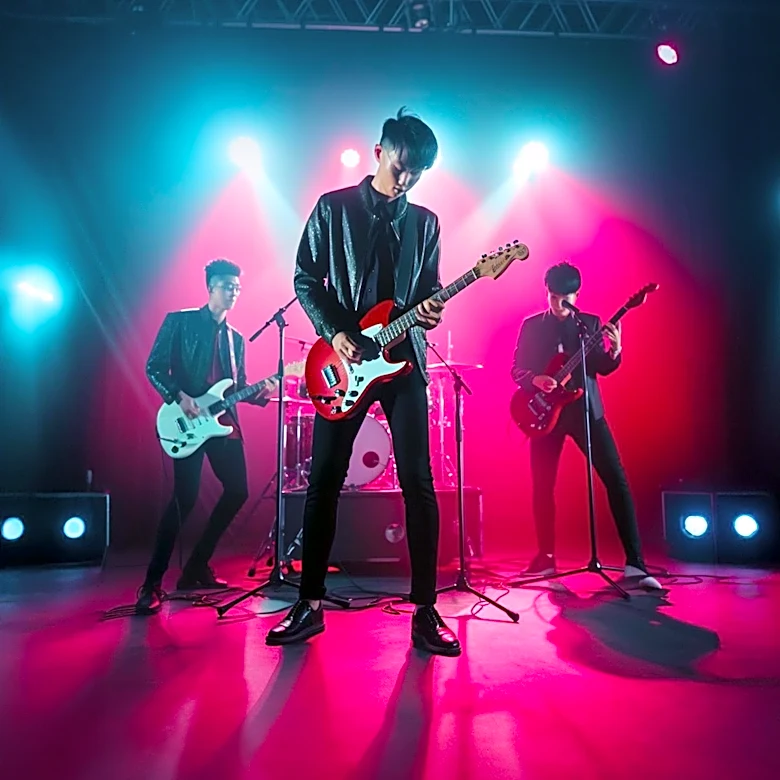
The increasing use of AI in music production is sparking debate, particularly concerning genres like indie rock and classical music. While pop music often utilizes computer-generated elements, there's a cultural expectation that indie rock and classical pieces
should be composed and recorded by human musicians, involving practice, rehearsals, and traditional studio environments. The emergence of AI-based tools blurs this line, making it possible to generate natural-sounding music with minimal human input. This raises questions about the authenticity of music where, for example, a jazzy big-band song might be an AI track with a human topline. The article highlights a personal dilemma where a liked AI-generated song lost appeal upon realizing its artificial origin, suggesting a cultural resistance to fully AI-created music, especially AI-generated vocals, which are deemed 'fake.' The New Colossus Festival's Spotify playlist is noted as a source for discovering human-made U.S. indie bands like sana sana (NYC), Clawfoot (Grand Rapids, Michigan), and Sophie’s Body (Boston).
Why It's Important?
The debate surrounding AI in music has significant implications for the U.S. entertainment industry, particularly for artists, producers, and consumers of indie rock. It challenges traditional notions of artistic integrity, creativity, and the value of human effort in music production. If AI can generate music that sounds authentic, it could devalue the work of human musicians, potentially impacting their livelihoods and the economic models of the industry. This shift also raises ethical questions about transparency: should listeners be informed when music is AI-generated? The cultural resistance to AI-generated vocals suggests a strong preference for human expression, which could influence how technology is adopted and regulated within the music sector. The continued discovery of human indie bands, as highlighted by the New Colossus Festival, underscores the enduring appeal of human artistry amidst technological advancements.
What's Next?
The integration of AI into music production is expected to continue, prompting ongoing discussions about its role and boundaries. The music industry may need to develop new standards or guidelines regarding the use and disclosure of AI in creative works. Artists and labels might explore hybrid approaches, combining AI tools with human creativity, or explicitly market their music as 'human-made' to appeal to audiences who value authenticity. Legal and ethical frameworks around copyright and ownership of AI-generated content will also likely evolve. The cultural acceptance of AI music will depend on how transparently and ethically it is integrated, particularly concerning elements like vocals. The indie rock scene, with its emphasis on raw, human expression, may become a key battleground for these debates.
Beyond the Headlines
The tension between AI and human creativity in music extends beyond the entertainment industry, touching upon broader philosophical questions about the nature of art, consciousness, and what it means to be human. If machines can replicate creative output, what distinguishes human artistry? This development could lead to a re-evaluation of the 'culture around' music, emphasizing the process, the struggle, and the human connection inherent in its creation. The preference for human-made indie rock over AI-generated alternatives reflects a deeper societal value placed on authenticity and the unique emotional resonance that human experience brings to art. This debate is not just about technology; it's about defining the essence of creativity in an increasingly automated world and how we choose to preserve human-centric values in artistic expression.